
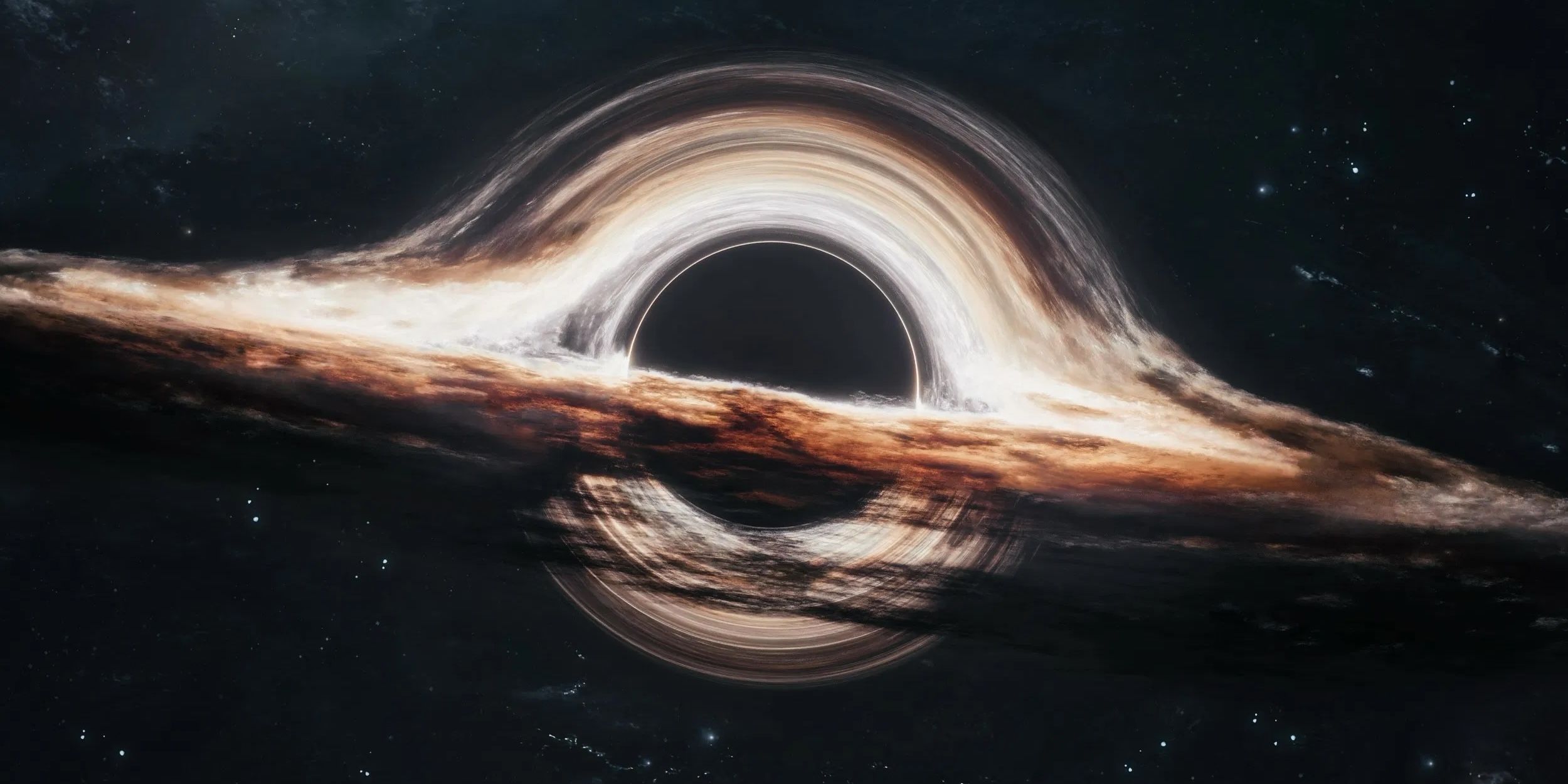
A sci-fi movie or TV show only qualifies that incredible threshold for me when the plot keeps translating that idea into tension you can feel, scene after scene, without drifting into lecture mode. So it’s essentially you learning excruciatingly fascinating details of what our world could be like, perhaps with some fiction.
But the best ones make you understand the rules fast, then keep twisting those rules until you’re locked in. The ten movies below do that thing where you start watching for a minute and suddenly it’s 2 a.m. because the story never loosens its grip. Some are cold and clinical, some are emotional gut punches, and a couple are straight-up nightmares. Either way, they’re airtight rides from first frame to last.
—
### 10. *Ex Machina* (2014)
The first time I watched *Ex Machina*, it felt like I was being politely invited into a trap. Caleb Smith (Domhnall Gleeson) thinks he won a dream trip, but every hallway at Nathan Bateman’s (Oscar Isaac) house-lab looks like it was designed to control him. Ava (Alicia Vikander) doesn’t need jump scares to be terrifying, because the real fear is how quickly she learns you.
The film follows a motivated IT enthusiast winning an internship with one of the greatest minds in the AI space, only to find out he’s hiding a close-to-human robot, but with much darker themes at play. What makes *Ex Machina* incredible is the way it keeps shifting who has power without announcing the shift. Nathan is charming, then suddenly cruel, and you realize the “test” isn’t just about Ava.
There’s suspense in the film, but it’s clean, and the ending hits hard because it’s logical.
—
### 9. *Gattaca* (1997)
This one grabs you with a simple, nasty idea: your future is decided by a blood sample. *Gattaca* follows Vincent Freeman (Ethan Hawke) as he tries to cheat a system built to keep him small, and the movie makes every routine detail feel high-stakes, from a staircase to a urine test.
Irene Cassini (Uma Thurman) adds that soft tension of romance when nobody can truly be honest. The reason *Gattaca* is an incredible addition to this list is that it never loses the human thread. Jerome Morrow (Jude Law) is the quiet heartbreak, because the perfect person is also trapped.
Director Andrew Niccol keeps the world sleek but suffocating. When I watched it for the first time, I left it feeling weirdly energized. It builds to a clean catharsis.
—
### 8. *Minority Report* (2002)
*Minority Report* drops you into PreCrime like it’s normal, then immediately starts poking holes in it. Basically, John Anderton (Tom Cruise) believes in the system until the system points at him, and that pivot turns the film into a sprint you can’t step away from.
You know a movie’s locked in when the chase is also a moral argument. *Minority Report* is that. Agatha (Samantha Morton) isn’t just a plot device; she’s the conscience the movie drags through chaos.
What I love about *Minority Report* is how every cool futuristic detail is also a threat. The eye-scans, the ads calling your name, the spider robots— all of it keeps tightening the vise.
The film was helmed by Steven Spielberg, who has kept the action readable even when it’s fast, and the mystery stays clear because the emotional motive never gets lost.
—
### 7. *Children of Men* (2006)
This isn’t the kind of sci-fi that comforts you. *Children of Men* feels like the world is already ending in the background, and everyone is just pretending the routine still matters.
Theo Faron (Clive Owen) starts numb, the way people get when the news has been bad for too long, and then the story drops a single hope into his lap and forces him to care again. The whole movie feels like a fragile mission, thanks to Kee’s character (Clare-Hope Ashitey).
What makes *Children of Men* incredible from start to finish is the immersion. It’s messy, loud, and intimate, like you’re walking inside the panic with them: the strangers helping, strangers betraying, hope refusing to die quietly.
The film also stars Julianne Moore as Julian, and here’s the cool bit—it is set in 2027, and many of the elements in the film have come true by 2026.
—
### 6. *Blade Runner* (1982)
Some movies don’t hook you with plot. They hook you with an atmosphere so thick you can taste it. *Blade Runner* does that and more.
It opens, and you’re already in it: rain, neon, smoke, and a future that looks tired. Rick Deckard (Harrison Ford) is less a hero than a guy doing a grim job, and the film makes that job feel morally dirty on purpose.
Rachael (Sean Young) is where the film gets personal, because one question turns into an identity crisis. The whole moody worldbuilding hits instantly.
What has kept *Blade Runner* incredible to this date is that it never stops asking what a “real” life is, even when the action picks up. Roy Batty (Rutger Hauer) is the emotional center, and his arc is why the ending lingers.
The city feels alive and predatory, and the movie’s best moments come from quiet confrontation. This soft-haunting film is directed by Ridley Scott.
—
### 5. *Arrival* (2016)
This is the rare first-contact movie where the biggest action is learning. *Arrival* follows Louise Banks (Amy Adams) as she tries to communicate with aliens from outer space who don’t think like us, and the film makes that process feel urgent.
Ian Donnelly (Jeremy Renner) brings warmth, but the tension comes from politics pressing in while the language work is still fragile.
For anyone that actually wants to watch something incredible, know that this is not loud sci-fi. The film brilliantly captures the intimate pressure that would surround us if aliens were to actually arrive in this world.
What makes *Arrival* incredible from start to finish is how the emotional reveal is also the sci-fi reveal. It’s one of the cleanest “oh. oh no” moments I’ve ever had in a theater because it re-frames everything without feeling like a trick.
Because the tone stays calm throughout the film while the stakes climb, the ending hits like acceptance, and you walk out quieter than you walked in. It’s a beautiful film through and through.
—
### 4. *Interstellar* (2014)
I don’t start *Interstellar* thinking about space. I start thinking about leaving and then coming back to see how the world has changed, and you will never be able to see your kids the way you might have expected.
Cooper (Matthew McConaughey) stepping away from Murph (Jessica Chastain) hurts because it feels like a promise you can’t keep, and the movie keeps returning to that wound.
What gives *Interstellar* an evergreen-incredible badge is that it commits to big swings without losing the thread. The set pieces aren’t just “cool,” they’re time, regret, and survival made visual.
Director Christopher Nolan makes the science feel tactile, but the real reason it sticks is that the movie keeps choosing sincerity over irony. When it ends, it doesn’t feel neat, it feels earned.
It aims big, lands hard, and that’s why the film is loved throughout the world.
—
### 3. *The Thing* (1982)
This is the kind of movie that makes you suspicious of everyone in the room.
*The Thing* drops you in Antarctica with a bunch of men who already don’t trust each other, then adds a creature that can look like anyone. R. J. MacReady (Kurt Russell) becomes the anchor because he thinks like a survivalist when paranoia is spreading like an infection.
The opening is simple, and then it just keeps tightening.
What makes *The Thing* incredible from start to finish is how it never gives you comfort. Every solution creates a new fear, and every test feels like it might fail.
The tension throughout its runtime stays brutal and the atmosphere icy, and the effects, although from 1982, still work because they’re used as punctuation, not spectacle.
The film also stars Keith David as Childs, Wilford Brimley as Dr. Blair, T. K. Carter as Nauls, and Richard Masur as Clark, among others.
—
### 2. *Alien* (1979)
Ridley Scott’s *Alien* is almost calm, which is exactly why it’s terrifying—but that’s just the first half.
The Nostromo feels like a proper working ship, and the crew bickers like real people who’ve done this job too long. Ellen Ripley (Sigourney Weaver) isn’t positioned as “the hero” at first; she’s just the one taking protocols seriously while everyone else wants to move on.
Then the horror arrives, and the movie never relaxes again. Routine turns into a nightmare.
What makes *Alien* incredible is the precision. The creature is scary, but the bigger dread is how small the humans suddenly feel inside their own ship.
Ash (Ian Holm) is the cold surprise that deepens the paranoia, and because of Scott’s iconic work on the sets, the lighting and sound are so controlled that you feel trapped with them.
—
### 1. *The Matrix* (1999)
It’s hard to explain to someone now how mind-blowing *The Matrix* felt the first time, but you can still feel the jolt in the opening minutes.
Neo (Keanu Reeves) starts as a guy with that nagging “something’s off” feeling, and the movie feeds that anxiety until it becomes a full-on awakening.
Then Morpheus (Laurence Fishburne) comes in and drags him into a new reality with total conviction. That’s the main hook for the film.
—
These ten sci-fi films master the art of tension and storytelling, making you think, feel, and stay hooked until the very end. Whether through psychological thrills, moral dilemmas, or breathtaking visuals, each movie offers an unforgettable journey into possible futures—and the humanity within them.
https://collider.com/best-sci-fi-movies-incredible/