Category Archives: legislation

Senator Lummis says delay likely for market structure bill: Bloomberg

US Senator Cynthia Lummis reportedly expects the US Senate Banking Committee to delay its hearing on crypto market structure legislation after Coinbase withdrew support for the bill.

There were already some murmurs of a CLARITY Act Senate markup delay on Wednesday, which intensified following an X post from Bloomberg reporter Steven Dennis on Wednesday night. Dennis stated: “Lummis tells me her recommendation and expectation is that the markup be pulled for now. It’s Banking Chair Tim Scott’s call.”

The Senate markup is scheduled for Thursday at 10:00 am Eastern Time. Cointelegraph reached out to Scott’s office for comment but did not receive an immediate response.

Lawmakers have been consulting with members of the banking and crypto industries over provisions of the CLARITY Act for several weeks. However, Coinbase publicly withdrew its support for the bill on Wednesday, citing concerns that the latest text was unfavorable to the industry.

In addition to eliminating stablecoin rewards, Coinbase CEO Brian Armstrong highlighted several concerns, including restrictions on tokenized stocks, the government having unlimited access to financial records, and the US commodities regulator receiving less authority over the crypto markets than initially anticipated.

Armstrong summarized the company’s position: “This version would be materially worse than the current status quo. We’d rather have no bill than a bad bill. Hopefully we can all get to a better draft.”

This is a developing story, and further updates will be provided as more information becomes available.

Related: A16z raises $15B, says crypto a ‘key’ to America winning next 100 years
https://cointelegraph.com/news/crypto-market-structure-bill-hearing-could-be-delayed-after-coinbase-pulls-support-report

Centre considers extending parliamentary standing committees’ tenures by 2 years

**Centre Considers Extending Parliamentary Standing Committees’ Tenures by 2 Years**

*By Snehil Singh | Sep 27, 2025, 10:38 AM*

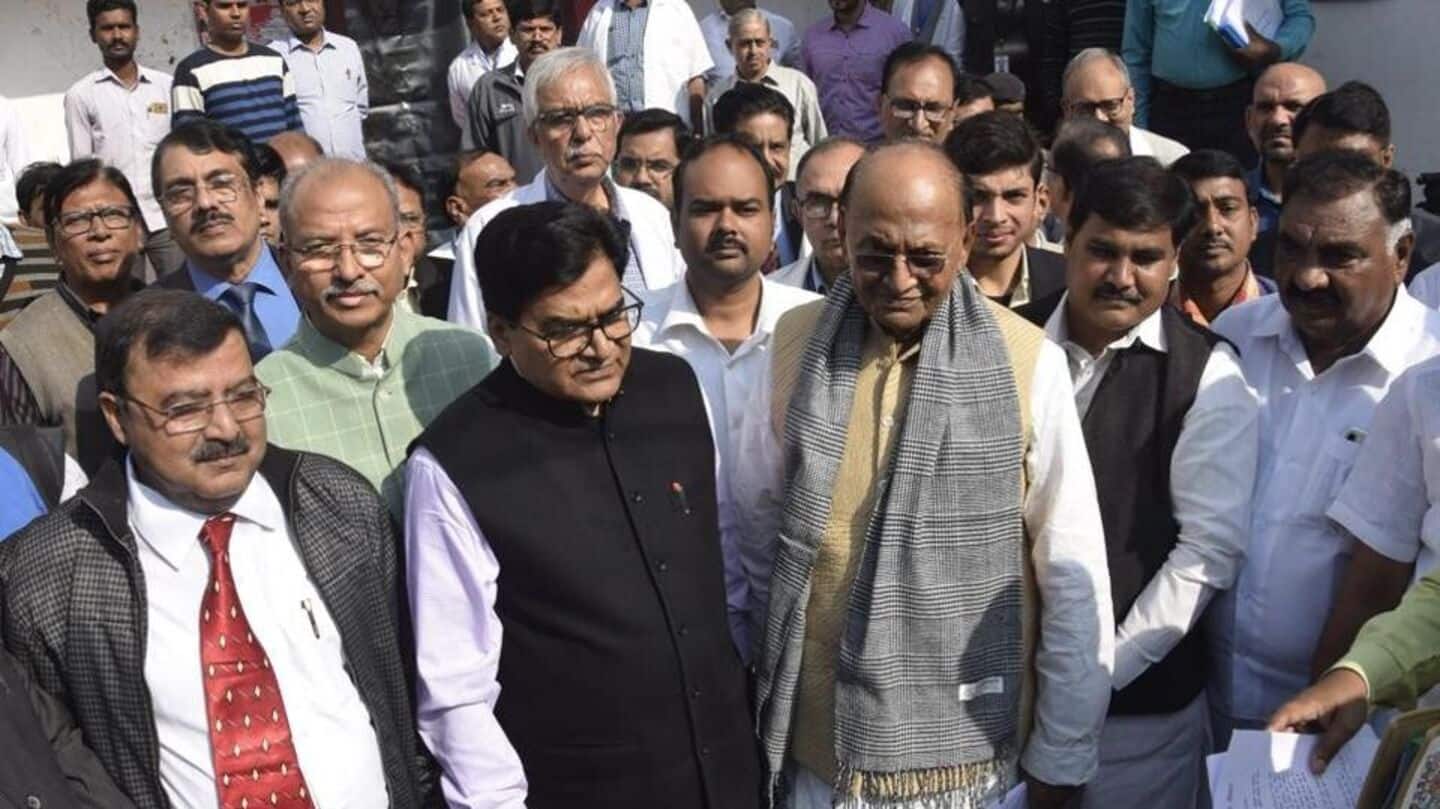
The Indian government is deliberating a proposal to extend the tenure of parliamentary standing committees from the current one year to two years. If approved, this change aims to enhance continuity within the committees and enable a more comprehensive examination of bills, reports, and policy issues.

### Current Scenario and Proposed Change

Currently, the terms of these parliamentary committees are set to end on September 26 each year, after which they are reconstituted. Several Members of Parliament (MPs) have advocated for longer tenures, arguing that a two-year term would facilitate more detailed and in-depth studies of their assigned subjects.

### Political Implications: Shashi Tharoor’s Position

The proposed extension carries notable political significance, especially for Congress MP Shashi Tharoor, who chairs the External Affairs Committee. An extension would allow him to continue in this role for an additional two years, despite ongoing tensions within his party.

### Decision-Making Process

The final decision on extending committee tenures is still pending and will be made after consultations with the Rajya Sabha chairman and the Lok Sabha speaker. While the proposal suggests that the leadership of committees is unlikely to change, the tenures of newly appointed members may be lengthened to maintain continuity.

### Role of Parliamentary Standing Committees

Parliamentary standing committees are permanent bodies composed of MPs from both the Lok Sabha and the Rajya Sabha. They serve a critical function in:

– Examining proposed legislation
– Reviewing government policies
– Scrutinizing budget allocations
– Holding ministries accountable through inquiries and evidence collection

When Parliament is not in session, these committees often act as “mini-parliaments,” enabling MPs to conduct detailed oversight of policies and legislative matters without having to wait for full parliamentary sittings.

### Looking Ahead

If implemented, extending the tenure of standing committees could have significant administrative and political ramifications for how Parliament functions in the coming years. It is viewed as a step toward improving parliamentary efficiency and deepening legislative scrutiny.

*Stay tuned for updates as this proposal develops.*
https://www.newsbytesapp.com/news/politics/centre-may-extend-parliamentary-panels-terms-by-2-years/story

Centre considers extending parliamentary standing committees’ tenures by 2 years

**Centre Considers Extending Parliamentary Standing Committees’ Tenures by 2 Years**
*By Snehil Singh | Sep 27, 2025, 10:38 AM*

The Indian government is considering extending the tenure of parliamentary standing committees from the current one year to two years. If approved, this move could improve continuity and allow for more thorough examination of bills, reports, and key policy issues. Presently, the terms of these committees are set to end on September 26.

### Political Implications: Tharoor’s Position at Stake

The proposal carries particular political significance for Congress MP Shashi Tharoor, who chairs the External Affairs Committee. An extension would enable him to retain his role for an additional two years, despite recent disagreements with his party. Traditionally, these committees are reconstituted annually, but several MPs have advocated for longer terms to facilitate more detailed work on their assigned subjects.

### Term Extension: Decision Pending

The government is still in the process of deliberating the proposal. A final decision is expected following consultations with the Rajya Sabha chairman and the Lok Sabha speaker. While it is unlikely that committee chairpersons will be changed, the tenures of newly appointed members could be extended to maintain continuity. This decision is anticipated to have significant administrative and political impacts on parliamentary functioning in the coming years.

### Role of Parliamentary Standing Committees

Parliamentary standing committees are permanent bodies comprising MPs from both the Lok Sabha and the Rajya Sabha. They play a crucial role in scrutinizing proposed legislation, reviewing government policies, and examining budget allocations. Additionally, these committees hold ministries accountable through inquiries and by gathering evidence on specific areas of governance.

When Parliament is not in session, standing committees often act as “mini-parliaments,” enabling MPs to conduct detailed policy and legislative oversight without waiting for full parliamentary sittings. This continuous functioning is vital for effective governance and thorough legislative scrutiny.

The potential extension of parliamentary standing committees’ tenures underscores the government’s intent to strengthen institutional continuity and enhance parliamentary oversight in India.
https://www.newsbytesapp.com/news/politics/centre-may-extend-parliamentary-panels-terms-by-2-years/story