
Tag Archives: effectiveness

How To Clean A Dishwasher To Prevent Smelly Odors And Dirt

Do you ever load your dishwasher, run it with your favorite, reliable detergent, and then find that your glasses are cloudy? If that scenario sounds familiar, it’s time to clean your dishwasher.

While you may keep your windows shiny, your floors spic and span, and your heirloom family silver looking like it’s brand new, it may not occur to you to wash the machine that washes your dishes. Dishwashers really do need the occasional cleaning, though, because over time grease, soap scum, and food debris can build up—reducing efficiency and providing a breeding ground for germs.

### My Dishwasher Cleaning Confession

I have a confession to make: I’ve never once cleaned my dishwasher. In fact, I didn’t even know that you’re supposed to clean your dishwasher frequently until I interviewed Amanda Poole, merchant of dishwashers and disposers at The Home Depot, for this story.

Below, I’ve covered everything you need to know about how often and how to clean your dishwasher with baking soda, vinegar, or bleach for sparkling dishware after every cycle.

## How Often To Clean Your Dishwasher

According to Amanda Poole, you should be thoroughly cleaning your dishwasher every month, including the entire interior, door, gasket, and filter.

> “If you only use your dishwasher occasionally or prewash your dishes, you might not need to clean it that often,” she says. “But don’t let it go without a cleaning for longer than six months.”

Cleaning a dishwasher is a key preventative step in home maintenance.

> “If you habitually put this chore off, unwanted residue like minerals, grease, grime, and limescale will build up inside your unit,” she explains. “Over time, it will become less effective, compromising its performance.”

Not only that, but poor performance might lead to costly repairs that could be avoided by cleaning your appliance regularly.

## What You Need

– White vinegar, baking soda, or bleach
– Dishwasher-safe bowl
– Hot water
– Soft-bristle brush
– Toothpicks
– Toothbrush
– Clean cloth

## How To Clean Your Dishwasher With Vinegar

Vinegar is natural and safe to use in your dishwasher and works well as a DIY dishwasher cleaner.

1. First, empty the dishwasher.
2. Put 1 cup of white vinegar in a dishwasher-safe bowl and place it on the top rack of the dishwasher.
3. Run the hottest cycle on the dishwasher. Skip the drying cycle and open the dishwasher door to let it air-dry.

Make sure to **skip the detergent** during this cycle.

To clean removable dishwasher parts with vinegar, fill your sink half-full of warm water and add two cups of white vinegar. Place the parts in the sink and let them soak for 20 minutes. Then rinse them and put them back in place.

## How To Clean With Baking Soda

You can also sprinkle 1 cup of baking soda on the floor of an empty dishwasher and run a short cycle on the hottest setting without detergent to clean the interior and kill odors.

As with cleaning a dishwasher with vinegar, skip the drying cycle and let the dishwasher air dry.

> “Using vinegar and baking soda are easy, effective ways to clean inside a dishwasher, but **do not use them together at the same time**—clean with the vinegar first and then with the baking soda,” says Poole.

## How To Clean With Bleach

Cleaning a dishwasher with bleach can deep clean the interior and remove tough stains, mold, and mildew.

1. Pour one cup of bleach into a dishwasher-safe, bleach-safe bowl and place it on the top rack of your dishwasher.
2. Run a full cycle but skip the drying cycle. No detergent needed for this cleaning cycle.

**Important:** Do not use bleach in a stainless-steel dishwasher or one that contains stainless-steel parts, as bleach will damage it.

Also, avoid using bleach at the same time you clean with baking soda or vinegar.

## How To Clean The Dishwasher Drain With Vinegar

Cleaning your dishwasher drain trap requires a bit more care.

1. Put 1 cup of white vinegar in a large, microwave-safe bowl. Heat it in the microwave for 15 to 20 seconds so it is slightly warm.
2. Take the bowl out and stir in two tablespoons of baking soda.
3. Pour the mixture into the drain at the bottom of the dishwasher and let it sit for 10 to 15 minutes.

In the meantime, boil a kettle of water.

4. Once boiling, carefully pour the water down the dishwasher drain to help clear out any debris or clogs. Do this slowly to avoid splashes.

If you have a garbage disposal, ensure that it’s also clean and running well, as dishwasher clogs and drainage problems can sometimes be traced to a clogged or dirty garbage disposal.

## Tips To Keep Your Dishwasher Clean Longer

### Clean the Filter Often

To keep your dishwasher cleaner longer, clean the dishwasher filter frequently.

> “Cleaning your dishwasher’s filter after each use is a simple and quick step that will keep your dishwasher cleaner longer,” explains Poole.

Wash the filter by hand in warm, soapy water, then gently scrub with a small, soft-bristle brush if there are stuck-on food particles. Rinse thoroughly under warm running water and replace it.

### Pre-Rinsing

Another helpful tip to prolong cleanliness is to prewash your dishes and remove food residue before running the dishwasher.

However, some higher-end dishwasher models have built-in food-waste disposals, so pre-rinsing is less necessary than simply scraping off the food.

## How To Get Rid Of And Prevent Smells In The Dishwasher

If you’ve neglected cleaning your appliance, dishwashers can develop unpleasant odors from trapped food particles, bacterial growth, and mildew.

Here’s what to do:

1. Start by cleaning the drain trap and clearing any clogs from the spray arms with a toothpick.
2. Run the dishwasher according to the directions above—first with vinegar to cut through grease and soap scum, then with baking soda to neutralize smells.
3. After each cycle, open the dishwasher door to air-dry the interior.

Following these steps will help keep your dishwasher fresh and your dishes sparkling clean every time.

Regular dishwasher maintenance not only prolongs the life of your appliance but also ensures your dishes come out spotless. Make dishwasher cleaning a monthly habit—you’ll be glad you did!
https://www.southernliving.com/how-to-clean-dishwasher-11858841

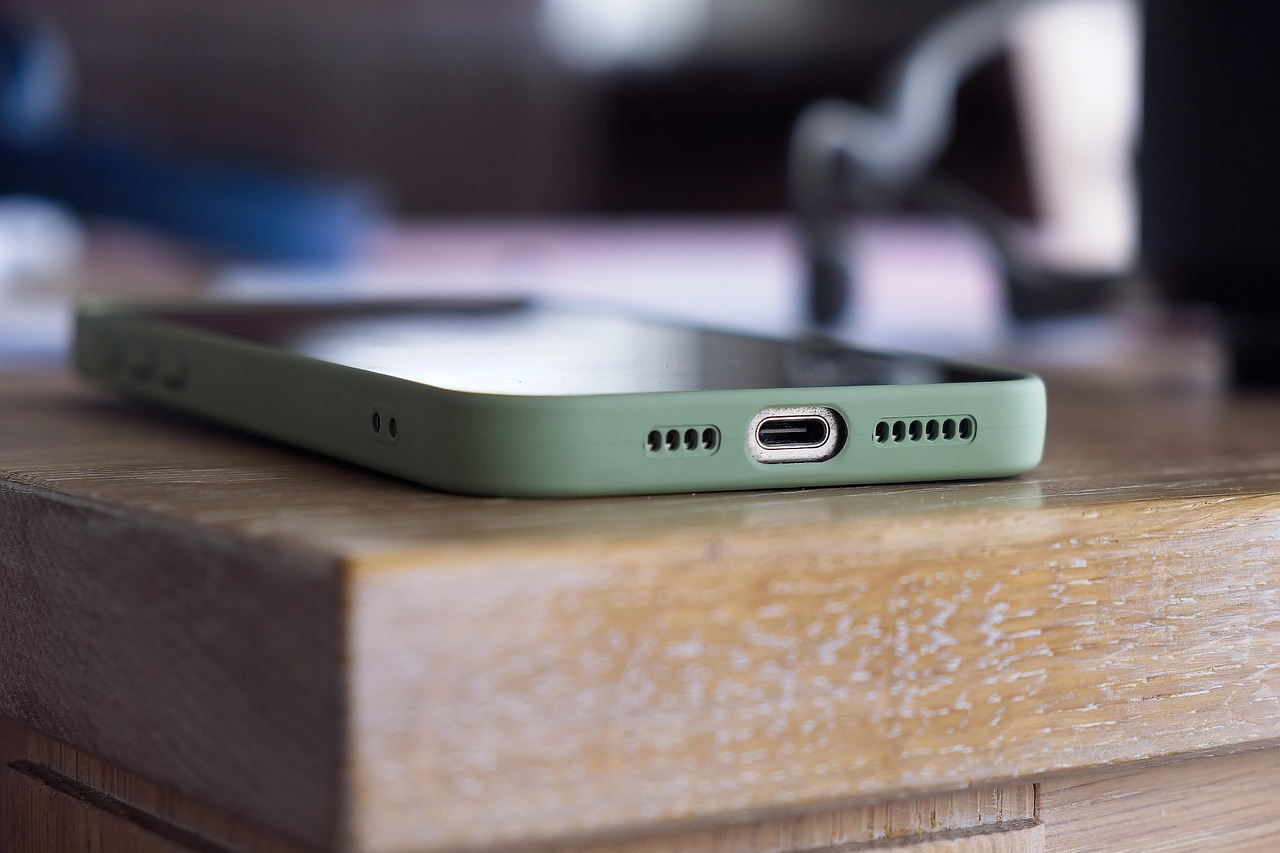
Inside Smartphone Cooling Systems: Thermal Testing and Cooling Tech Breakdown

Smartphones have become indispensable tools for communication, entertainment, and productivity. However, intensive use of smartphones, especially for gaming, video editing, or running heavy apps, generates considerable heat. Excessive heat can degrade performance, cause thermal throttling, and reduce the lifespan of internal components. To address this, smartphone manufacturers have introduced various cooling systems. This article explores the technology behind smartphone cooling systems, evaluates their effectiveness through phone cooling tests, and provides a cooling system review with insights into smartphone thermals. What Are Smartphone Cooling Systems? Smartphone cooling systems are technological solutions integrated into devices to manage and dissipate heat produced by processors and other internal components. The most common cooling methods include vapor chambers, heat pipes, graphite sheets, and more recently, fan-based active cooling. Vapor chambers and heat pipes use a liquid coolant that evaporates upon absorbing heat, moves as vapor to cooler areas of the device, condenses back into liquid, and cycles repeatedly to spread and dissipate heat efficiently. Graphite sheets help distribute heat evenly across the phone’s surface. Fan-based cooling, primarily seen in gaming phones, actively circulates air to expel heat. These systems evolved to improve user experience by reducing smartphone thermals and preventing overheating during peak usage. How Do Smartphone Cooling Systems Work? At the core of many modern smartphones’ cooling technology is the vapor chamber. This thin, flattened pipe contains a small amount of liquid that absorbs heat generated by the CPU and GPU through phase change, transforming from liquid to vapor. The vapor travels to cooler sections within the chamber where it condenses back to liquid, releasing heat that spreads evenly across the surface, preventing hotspots. This cyclical process efficiently manages heat in three-dimensional space inside the phone. Materials such as aerospace-grade aluminum and copper alloys further enhance thermal conductivity. Active cooling systems use miniature fans to circulate air inside or outside the device, boosting heat dissipation actively. Do Smartphone Cooling Systems Actually Work? Phone cooling tests indicate that cooling systems in smartphones do reduce device temperature significantly compared to non-cooled devices. Devices employing vapor chambers typically experience more even heat distribution and lower peak temperatures, curbing performance throttling caused by high thermals. For example, comparisons among flagship devices have shown internal to external temperature differences of several degrees Celsius, indicating effective heat insulation and dissipation. However, the effectiveness varies by cooling solution design and phone architecture. Active cooling fans provide further temperature reductions but may add bulk and noise. Overall, cooling systems positively impact smartphone thermals, contributing to sustained performance during prolonged heavy use. What Are the Different Types of Cooling Systems in Smartphones? Passive Cooling: Includes vapor chambers, heat pipes, and graphite sheets. These components work silently and occupy minimal space, making them ideal for slim phones. Vapor chambers are favored for their bidirectional heat transfer capabilities. Active Cooling: Found mainly in gaming smartphones, this system features tiny fans that force airflow to cool components. While more effective at dropping temperatures quickly, active cooling adds complexity and size. Hybrid Systems: Some phones combine vapor chambers with fans or advanced materials for optimized thermal management. Popular phones such as the OnePlus 10 Pro and Samsung Galaxy S22 Ultra incorporate multi-layered vapor chambers and graphite cooling arrays, offering robust cooling system reviews that report favorable thermal performance and user feedback. Are External Phone Coolers Effective? External cooling accessories like phone cooling pads, clip-on fans, or magnetic coolers provide an extra layer of thermal management. Phone cooling tests reveal these accessories reduce surface temperature during gaming or intense use but with varying results. Their main benefit is preventing the phone’s surface from becoming uncomfortable to hold and aiding heat dissipation away from the body. However, external coolers rely on external power and can be inconvenient for everyday use. They complement but do not replace built-in smartphone cooling systems. Can Cooling Systems Improve Smartphone Performance and Battery Life? Effective cooling reduces thermal throttling, which occurs when the device limits processor speed to control temperature. Maintaining lower thermals allows CPUs and GPUs to run at higher clock speeds longer, enhancing performance during gaming, video processing, or multitasking. Additionally, managing internal temperature better protects battery health, as heat accelerates battery degradation. Therefore, cooling systems contribute to both short-term performance boosts and long-term device durability. Common Myths and Misconceptions About Phone Cooling While marketing often promotes cooling systems as game-changing features, some claims are exaggerated. For instance, the placebo effect may lead users to perceive cooler phones without substantial temperature drops. Moreover, not all cooling technologies are equally effective, and cheaper external coolers sometimes offer minimal benefit. Scientific phone cooling tests provide objective data to counter inflated claims, helping consumers make informed decisions. Smartphone cooling systems, particularly passive vapor chamber designs and hybrid cooling technologies, do work to reduce excessive heat, improve smartphone thermals, and support better performance. Active cooling fans and external coolers offer additional benefits mainly for heavy users and gamers. Understanding how these systems function and their actual impact from cooling system reviews and phone cooling tests equips consumers to select smartphones with optimal thermal management for their needs. Frequently Asked Questions 1. How can users maintain their smartphone cooling system for optimal performance? Regular maintenance includes keeping the phone out of direct sunlight and hot environments, closing unused apps to limit processor load, and removing bulky cases that hinder airflow. Updating software and firmware also helps ensure efficient thermal management, as manufacturers optimize cooling performance through updates. Avoiding extreme temperature changes reduces stress on components that aid cooling. 2. Are there any smartphone cases that help improve cooling? Yes, some specially designed cases use materials like silicone with ventilation, or include heat-dissipating coatings that improve heat transfer away from the phone. However, most standard cases trap heat and worsen thermals, so users experiencing overheating issues may benefit from switching to a more breathable or cooling-optimized case design. 3. Can using the phone while charging cause overheating? Using the phone extensively during charging can increase device temperature as both the processor workload and battery charging generate heat. This compounded heat can stress the cooling system. To help keep thermals down, it is advisable to avoid intensive tasks or gaming while the phone charges, and to charge on cool, flat surfaces. 4. How do software and app usage impact smartphone thermals? Heavy app usage, especially with graphics-intensive games or video streaming, increases CPU and GPU workload, generating more heat. Background apps can also add processing strain. Using power-saving modes, closing unnecessary apps, and managing app permissions to reduce background activity can help control device temperature and optimize cooling system efficiency.
https://www.techtimes.com/articles/312988/20251127/inside-smartphone-cooling-systems-thermal-testing-cooling-tech-breakdown.htm

How to unlock Shadow Rift in Black Ops 7 Zombies

How to Unlock Shadow Rift in Black Ops 7 Zombies

The Shadow Rift is an Ammo Mod reintroduced in Black Ops 7 Zombies. When equipped, it creates black holes that pull in zombies and throw them through the air. This effect works on both normal and special zombies, dealing massive damage to their HP. You can further enhance its effectiveness by equipping specific Augments. There are eight of them available that you can unlock and equip with this Ammo Mod.

Unlocking Shadow Rift

You can unlock the Shadow Rift Ammo Mod after reaching Player Level 44. It functions similarly to how it did in the previous installment, bringing back the same powerful mechanism. When equipped, bullets fired from your weapon create a black hole that teleports some zombies away while dropping others from the air at great speed. This makes it effective against both normal and special zombies, especially when facing hordes and bosses.

Once unlocked, you can access the Shadow Rift mod during a match by interacting with the Arsenal Machine. To purchase it, you’ll need to spend 500 Salvage (the in-game currency).

Enhancing Shadow Rift with Augments

While the base power of the mod is strong, you can enhance its effectiveness by equipping various Augments. Each Ammo Mod in Black Ops 7 offers eight Augments to research: four Major and four Minor. Additionally, you can unlock an extra Minor Augment slot once you complete all other research enhancements.

Major Augments
  • Big Game: Activates the Ammo Mod on Elite enemies more frequently.
  • Topple Danger: Enemies taking Shadow Rift damage are warped toward nearby foes, knocking down normal enemies and stunning special enemies.
  • Explosive Rain: Enemies dropped from portals explode on contact with the ground.
  • Gravity Well (New): Transforms Shadow Rift into a black hole that pulls enemies in and teleports nearby survivors away.

Minor Augments

  • Haste: Reduces the cooldown time of the Shadow Rift.
  • Targeted: Enemies hit by the Ammo Mod fall onto other nearby enemies.
  • Supermassive: Increases the singularity’s lethal radius to kill more zombies.
  • Ammo Theorem (New): Teleporting enemies away reloads your weapon with ammo from your stock.

How to Research and Equip Augments

To infuse Augments into your Ammo Mod, first unlock the Augment Research Lab by reaching Player Level 11. Afterward, activate the Augment Research for the Shadow Rift, which requires unlocking a total of eighteen Augments.

Keep in mind that you can only equip two Augments at a time—one Major and one Minor—which apply to all Ammo Mods you use.

Additional Resources

https://www.sportskeeda.com/call-of-duty-game/how-unlock-shadow-rift-black-ops-7-zombies

Dogecoin Price Jumps 12% as Bitwise Spot ETF Launch Nears This November

**Dogecoin Price Surges Over 12% Amid ETF Approval Anticipation**

Dogecoin (DOGE) experienced a notable rally this week, with its price surging more than 12% in a single day to break above the $0.17 mark. This bullish momentum comes as investors grow increasingly optimistic about the potential approval and launch of Bitwise’s Spot Dogecoin ETF, expected by November 12.

### Bitwise Moves Closer to Launching First Spot Dogecoin ETF

Bitwise Asset Management recently filed its fourth amendment to the S-1 registration form with the U.S. Securities and Exchange Commission (SEC). This submission triggered a 20-day automatic waiting period under Section 8(a), requiring the SEC to respond by November 12. If no objections are raised by then, the ETF will be approved by default.

Notably, the latest amendment removed the clause for delayed effectiveness, signaling Bitwise’s readiness to proceed. Upon approval, the fund will trade under the ticker symbol “BWOW” on the NYSE Arca exchange and directly track the CF Dogecoin-Dollar U.S. Settlement Price Index. Coinbase Custody will handle custody of DOGE holdings for the fund, with all fees, structure, and custody arrangements now finalized.

This development marks a significant milestone for meme-based assets entering the traditional finance arena, with market participants closely monitoring the SEC’s decision.

### Strong Resistance Near $0.20 Due to Whale Accumulation

Dogecoin faces a key resistance level around $0.20, created by substantial investor activity. On-chain data from Glassnode highlights that approximately 11.12 billion DOGE tokens were accumulated near this price point. This dense concentration forms a significant selling pressure zone, as identified by cost-basis distribution heatmaps.

For Dogecoin to sustain its upward trajectory, breaking through this $0.20 resistance with robust trading volume is crucial. Failure to overcome this barrier could result in sideways consolidation or a price retracement. A successful breakout, however, would shift attention to the next resistance level around $0.22.

### Bullish Technical Indicators Signal Short-Term Strength

As of November 8, Dogecoin was trading at approximately $0.1807. Technical analysis on the 4-hour DOGE/USD chart reveals growing bullish momentum:

– The Moving Average Convergence Divergence (MACD) line has crossed above the signal line, indicating increasing buying activity.
– The Relative Strength Index (RSI) has risen to 64, reflecting stronger short-term demand.

These signals suggest traders are positioning for a potential continuation of the uptrend. However, a dip below $0.18 could prompt a retest of the $0.16 support zone. Short-term traders are closely watching these levels in anticipation of further news regarding the ETF approval. A positive SEC decision could serve as a catalyst for higher prices in the near term.

### Broader Crypto Market Sees Mild Recovery; Dogecoin Leads Gains

The overall cryptocurrency market is gradually recovering from earlier losses. After dropping nearly 6% over the past week, the market rebounded by 1.4% in the last 24 hours. Dogecoin’s standout performance during this bounce highlights growing interest and renewed positive sentiment around meme coins.

**Conclusion**

Dogecoin’s recent price surge and strong technical signals, coupled with the impending potential approval of Bitwise’s Spot DOGE ETF, have created a favorable environment for the cryptocurrency. Investors and traders alike are watching the $0.20 resistance level closely, as breaking through it could pave the way for further gains. The coming weeks will be critical in determining Dogecoin’s trajectory amid broader market recovery and industry developments.
https://coincentral.com/dogecoin-price-jumps-12-as-bitwise-spot-etf-launch-nears-this-november/