
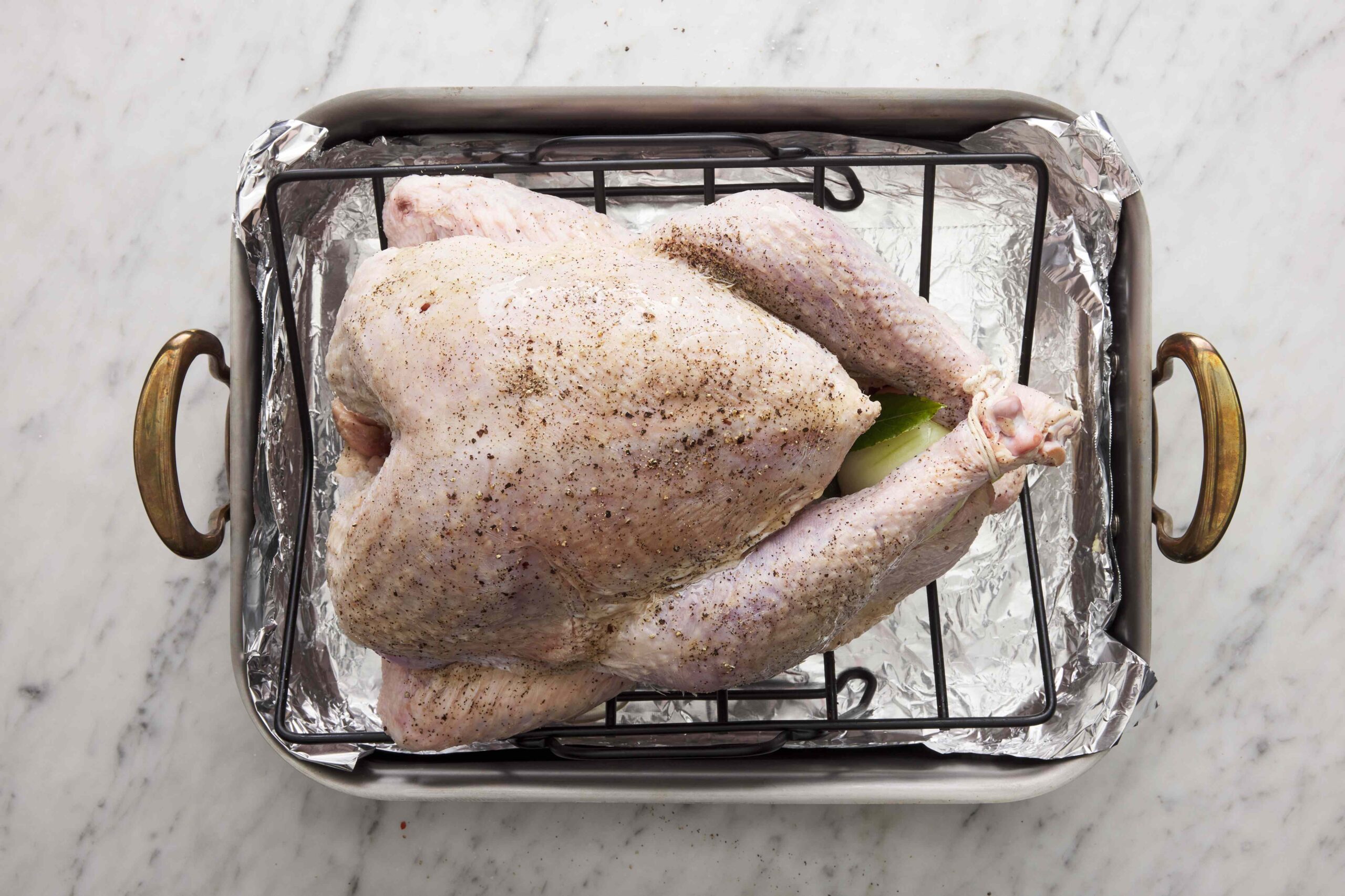
Maybe it’s your first year hosting Thanksgiving, or you just moved and your roasting pan is nowhere to be found. How important is a roasting pan when preparing a turkey? Do you really need one, or can you still roast a turkey successfully without it? The truth is that while roasting pans are designed to cook turkeys and other large proteins evenly and efficiently, there are plenty of ways to make it work without one. With a few smart substitutions, you can still achieve crispy skin, juicy meat, and deeply flavored drippings for gravy. We’ll walk you through the benefits of a roasting pan, alternatives to use in its place, and tips for roasting a turkey to perfection no matter what pan you’re using. Why Use A Roasting Pan For Turkey? A traditional roasting pan is built to handle large, heavy cuts of meat, from turkey to leg of lamb. These pans have deep sides that help contain juices, minimize splatter, and promote even heat circulation. Most also come with a roasting rack, which keeps the meat suspended off the bottom of the pan. This lift helps promote air flow around the entire bird, leading to more even roasting, crispier skin, and less risk of a soggy bottom. Other Ways To Roast A Turkey If you’re choosing a pan to take the place of a traditional roasting pan, it’s important to choose a vessel that can handle high heat, support the turkey’s weight, and allow for the right circulation of air. Here are some Test Kitchen-approved alternatives: A Baking Sheet A heavy-duty rimmed baking sheet (also known as a half sheet pan), is one of the most reliable substitutions. It works for whole turkeys, spatchcocked birds, or even turkey parts. For the best results, line the pan with onions, carrots, celery, or other preferred aromatics before placing on the turkey, lifting it off the pan for the most even cooking. Be careful when removing the pan from the oven-while it is rimmed, a baking sheet is shallow enough to allow for splashes. A Dutch Oven A large Dutch oven is another good option, though it’s best suited for smaller birds. The high walls trap moisture and heat, keeping the bird exceptionally juicy. Start roasting with the lid on to keep the turkey tender, then uncover toward the end for a crispy skin and nice browning. Disposable Roasting Pan A holiday staple when cooking for a crowd, a disposable roasting pan can be a lifesaver for a multitude of dishes, from roasts to breakfast casseroles or family-style desserts. The downside? They can be flimsy, especially if you’re roasting a large turkey. If you do opt for a disposable roasting pan, place over a baking sheet for extra support when lifting in and out of the oven. Cast-Iron Skillet A large cast-iron skillet can be a game-changer for searing steak, roasting chicken, or yes, roasting a small turkey or turkey breast. Cast iron heats evenly and retains heat well, creating a nicely cooked bottom, juicy interior, and browned skin. But cast iron is heavy, so enlist some help when lifting the turkey in and out of the oven. DIY Roasting Rack If you have a roasting pan but no rack, there are a few ways to lift your bird off the bottom of the pan while cooking: Veggie base: Place the turkey over carrots, onions, celery, parsnips, or other preferred vegetables to impart flavor and create a buffer between the pan and bird. Cooling rack: If you have an oven-safe cooling rack, place that in your pan as an alternative to a traditional roasting rack. Foil: Roll aluminum foil into thick rings and place into the pan for a makeshift rack option. Tips For The Best Roasted Turkey No matter what you choose to roast in, these key tips will help you achieve your juiciest turkey yet:.
https://www.southernliving.com/what-can-you-cook-a-turkey-in-if-you-dont-have-a-roasting-pan-11851969