Tag Archives: public health

Study shows increase in obesity — and more health headlines

Medical Watch Digest for October 15

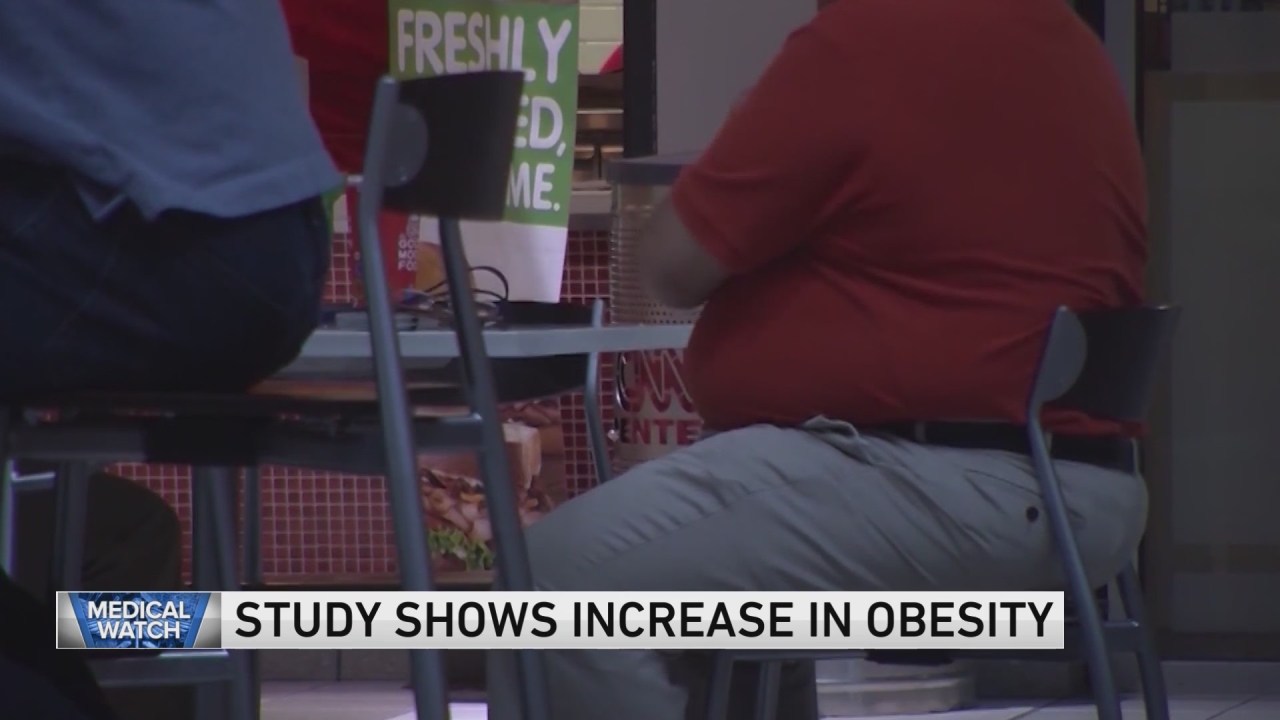
Study Shows Increase in Obesity

Some concerning numbers have emerged regarding obesity in the U.S. A new study indicates a dramatic increase in the percentage of adults who meet the new definition of obesity. Researchers from Mass General Brigham found that the expanded obesity definition goes beyond BMI—a traditional measure based on height and weight—and instead looks at body fat distribution.

By adopting this more health-centric definition, the prevalence of obesity is expected to rise from 40 percent to 70 percent. Experts note that the increase is even more pronounced among older adults. Given the many co-morbidities associated with obesity, health professionals continue to describe it as an epidemic that is worsening.

Muscle Can Combat Obesity-Related Illness

Building muscle can help combat the health consequences associated with obesity. People carrying excess body fat who build and maintain muscle are less likely to suffer from obesity-induced heart, liver, or kidney damage, and have a lower risk of premature death.

A new study published in the Journal of Clinical Endocrinology and Metabolism highlights muscle strength as a powerful protector against organ dysfunction. Notably, grip strength serves as a practical measure of muscle mass and can be improved to reduce health risks for overweight individuals.

Vegan Diet & Benefits for Type 1 Diabetes

Adopting a vegan diet may help offset the effects of diabetes and reduce the need for insulin among people with Type 1 diabetes. Unlike traditional recommendations, individuals on this diet do not need to limit carbohydrates or calories. Instead, they focus on consuming plant-based foods such as fruits, vegetables, grains, nuts, and seeds, while excluding all animal products including meat, dairy, eggs, and honey.

According to research published in the journal BMC Nutrition, individuals who followed a vegan diet were able to reduce their insulin use by 28 percent, equivalent to 12 fewer units per day. Additional benefits included an average weight loss of 11 pounds, improved cholesterol levels, and enhanced kidney function.

Stay Informed with Medical Watch

Sign up for our Medical Watch newsletter to receive daily updates featuring important information from WGN’s Dina Bair and the Med Watch team. Get the latest reports from health organizations, in-depth analysis of advancements in medical technology and treatments, as well as personal stories from people in the medical field.

Sign up here to stay informed!
https://wgntv.com/news/study-shows-increase-in-obesity-and-more-health-headlines/

Mumbai Entrepreneur Launches ‘Quiet India’ To Combat Noise Pollution As Public Health & Economic Threat

Mumbai Social Entrepreneur Launches Quiet India: The Nation’s First Large-Scale Movement Against Noise Pollution

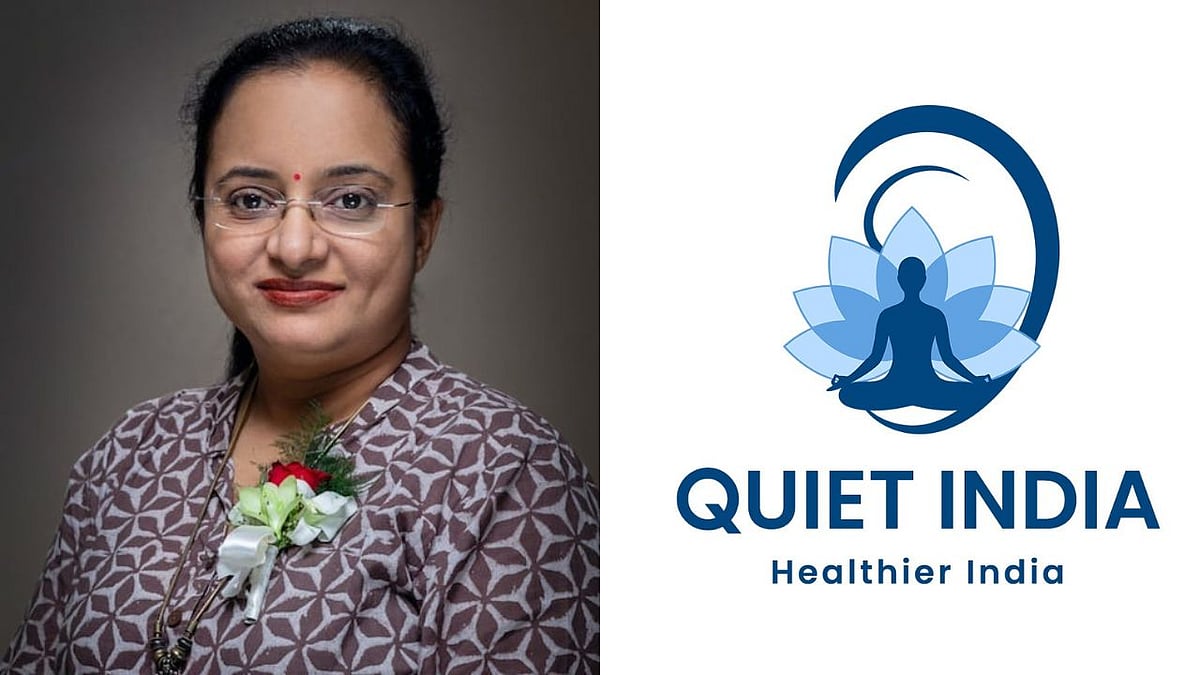
Savitha Rao, a social entrepreneur from Mumbai, has launched Quiet India, the country’s first large-scale national movement aimed at tackling noise as a significant public health and economic concern. This initiative seeks to reframe silence not as mere absence, but as a necessary foundation for health, dignity, and national development.

Citizen-led Movement for National Impact

India Positive Citizen, which promoted grassroots participation in nation-building, says Quiet India aspires to unite fragmented efforts across the country into a cohesive movement. Unlike previous initiatives targeting specific festivals, neighbourhoods, or isolated sources, Quiet India takes a holistic approach.

The movement brings together citizens, health professionals, urban planners, law enforcement, and policymakers to address noise pollution as both a public health emergency and an economic liability.

Alarming Noise Levels in Urban India

According to Quiet India, noise levels in urban centres such as Mumbai have crossed alarming thresholds. Estimates indicate that Mumbai had 4.6 million vehicles on its roads by the end of 2023, generating millions of honks daily.

In many areas, noise regularly exceeds the World Health Organization’s recommended limits of 55 decibels during the day and 40 decibels at night.

Speaking to The Free Press Journal, Rao said, “Noise is the pollution we have normalised. Quiet India is about making silence our right, not our luxury. It is about reclaiming silence as a shared inheritance, and building a soundscape worthy of the India we aspire to be.”

Health Consequences of Noise Pollution

Medical experts warn that prolonged exposure to high decibel levels is linked to elevated stress hormones, high blood pressure, heart disease, and cognitive impairments.

Dr. Mickey Mehta, a wellness expert and member of Quiet India’s advisory panel, explains, “Silence is nourishment. Without it, the body cannot heal, the mind cannot focus, and immunity is weakened. A calm soundscape is as critical as clean water or nutritious food. The sound of stillness brings bliss and wellness.”

Enforcement and Citizen Responsibility

Traffic authorities in Mumbai acknowledge the challenge but stress enforcement limitations.

Prashant Pardeshi, Mumbai South’s Deputy Commissioner of Police (Traffic), stated, “We penalise offenders and run awareness drives, but no amount of enforcement can succeed unless citizens themselves reduce needless honking. Road discipline is as much about culture as compliance.”

Economic Implications of Noise Pollution

The campaign focuses not only on improving quality of life but also on enhancing India’s global competitiveness. The movement highlights that high noise levels reduce urban livability, deter foreign investment, and decrease workforce productivity—factors that could undermine Mumbai’s aspirations as a global financial hub.

Sandeep Bajoria, Quiet India’s advisory board chairman, said, “Noise pollution directly impacts India’s economic growth. A quieter Mumbai is better for its citizens, and it makes the city more attractive for investors, businesses, and global talent.”

Multi-Pronged Solutions for a Quieter India

Quiet India promotes a range of solutions from technology to citizen action. Key focus areas include:

  • Changing behaviour by reducing habitual honking
  • Limiting loudspeakers
  • Respecting quiet zones
  • Advocating for stricter regulations on construction noise and modified vehicle exhausts
  • Controlling night-time disturbances
  • Implementing noise barriers and strategic zoning
  • Increasing green spaces to absorb noise pollution

Innovative tools like Google’s experimental ‘noise ratings’ for restaurants—introduced following Rao’s suggestion—aim to make quietness a valued metric in public spaces.

Noise and Accessibility

Social leader Raju Waghmare, who is visually impaired, explained how noise affects dignity and independence.

“The blind depend on auditory cues to navigate the city. Unnecessary honking and noise drown out those signals. Noise doesn’t just hurt, it takes away independence,” he said.

Research and Publications

Rao’s latest book, Noise in Our Nation, outlines the hidden costs of unchecked noise on health, education, the environment, and the economy. It also provides practical recommendations for stakeholders at every level.

Learn More

To find out more about Quiet India and how you can contribute, visit the official website: https://quietindia.in/

https://www.freepressjournal.in/mumbai/mumbai-entrepreneur-launches-quiet-india-to-combat-noise-pollution-as-public-health-economic-threat

The double burden of disease

Pakistan is currently struggling against a public health challenge of a dual nature: the persistence of communicable diseases alongside the rapid rise of non-communicable diseases (NCDs). This double burden of disease strains Pakistan’s already crippling healthcare infrastructure and jeopardizes the well-being of its citizens.

Amidst this complex situation, a new threat has emerged and is spreading at an alarming rate: tobacco-free nicotine pouches. Marketed with deceptive appeal, these products pose a significant and often underestimated risk to an individual’s health.

### What Are Nicotine Pouches?

Nicotine pouches are small sachets placed between the gum and lip, widely advertised as a modern and discreet way to consume nicotine. Unlike traditional tobacco products, these pouches contain nicotine powder extracted from tobacco leaves or synthetically manufactured. Their appeal is enhanced by a wide variety of flavors and the absence of smoke or spit, which are often associated with other tobacco products.

Marketed as tobacco-free or tobacco leaf-free, nicotine pouches have seen a significant recent surge in popularity. This has led to a common misconception that they are harmless.

### The Health Risks of Nicotine

Nicotine is a highly addictive substance with numerous detrimental health effects. Unregulated marketing and the rapid increase in use raise serious public health concerns about its long-term impact.

Nicotine is a potent psychoactive compound that can profoundly affect the human body. Its use leads to addiction—a chronic, relapsing brain disease characterized by compulsive drug seeking and use, despite harmful consequences. This addiction, particularly when it begins in youth, can disrupt brain development. Normally, the brain continues to develop until a person’s mid-twenties. Early exposure can impair cognitive functions, including attention and learning, and may increase the likelihood of addiction to other substances later in life.

### Cardiovascular and Oral Health Concerns

Clinical trials have well-documented the extensive health risks associated with nicotine. Nicotine use has been linked to several cardiovascular issues: it can cause an increase in heart rate and blood pressure, placing added strain on the heart. Long-term use can contribute to the hardening of artery walls, increasing the risk of heart attacks and strokes. These conditions already represent a major part of the NCD burden in Pakistan, and the proliferation of nicotine pouches threatens to exacerbate this crisis.

Local effects of nicotine pouches on oral health are also a serious concern. Placing the pouch directly against the gums can lead to irritation and inflammation. Prolonged and repeated use can cause gum recession, where the gum tissue pulls away from the teeth, exposing roots and increasing the risk of dental caries and tooth loss. While the long-term impact on oral cancer is still under study, the potential for chronic irritation and inflammation of oral tissues remains a significant health risk.

### The Regulatory Vacuum and Its Consequences

The market for nicotine pouches in Pakistan is largely unregulated. Their tobacco-free status allows them to bypass many of the regulations and taxes that apply to traditional tobacco products. This regulatory vacuum has created room for aggressive marketing campaigns, especially on social media, targeting young adults and adolescents.

The appealing flavors and discreet nature of these products make them particularly attractive to this demographic, creating a new generation of nicotine users and perpetuating the cycle of addiction.

One recent study highlighted the alarming trend of high nicotine pouch use among young adults in Pakistan, many of whom are unaware of the associated health risks. The lack of robust regulation, combined with deceptive marketing, directly contributes to Pakistan’s double burden of disease.

### The Path Forward: Legislative and Regulatory Action

As NCDs, including cardiovascular diseases and certain cancers, continue to rise, the introduction of easily accessible and addictive nicotine products threatens to worsen this prognosis. This places an immense burden on Pakistan’s healthcare system and economy, draining resources desperately needed for other public health initiatives.

In a positive development, the National Assembly passed the NIH bill on August 12. The bill emphasizes the dire need for establishing a national cancer registry to understand the actual burden of disease and to implement a national action plan for cancer prevention and management.

Through this bill, the structure and governance of the National Institute of Health will be strengthened, ensuring the reorganization of the institution and enhancing its performance. The approval marks a significant step toward reforms in the health sector and institutional improvement.

### Urgent Call to Action

To safeguard public health, particularly among the younger population, it is imperative that the government and regulatory authorities take immediate and decisive action:

– **Include nicotine pouches in the taxation stream** to limit widespread use.
– **Bring the sale and distribution of these products under strict regulatory control.**
– **Consider a comprehensive ban on the sale of nicotine pouches** as the most effective and direct way to address this emerging public health threat.

By eliminating this silent scourge, Pakistan can protect future generations and make tangible strides toward reducing the double burden of disease that plagues the nation. The time for action is now.
https://www.thenews.com.pk/tns/detail/1345109-the-double-burden-of-disease