

Water is the essence of life. It makes up around 60% of the adult human body and is involved in nearly every vital function, from regulating body temperature to removing waste and transporting nutrients. While most of us know that staying hydrated is important, the full range of health benefits that water provides is often underestimated. This review explores 15 powerful ways drinking enough water can support your health, backed by science and explained in simple terms. Maintains the balance of body fluids Water plays a central role in digestion, absorption, circulation, saliva production, nutrient transport, and temperature regulation. When you are properly hydrated, these essential processes run more efficiently, helping your body stay in balance. Supports healthy weight management Drinking water can support weight management in several ways. It may help reduce appetite, boost metabolism, and increase feelings of fullness. Replacing sugary or high-calorie drinks with water is a simple yet effective way to reduce overall calorie intake. Boosts physical performance Water helps deliver oxygen and nutrients to your muscles and prevents fatigue. When cells lose their fluid and electrolyte balance, muscles become weaker, leading to tiredness and reduced performance. Staying hydrated is especially important during physical activity. Improves skin health Your skin contains a significant amount of water and relies on hydration to maintain its elasticity and protective function. Dehydration can make your skin look dull, dry, and more prone to wrinkles. Drinking enough water can help your skin stay soft and healthy-looking. Supports kidney function The kidneys remove toxins and waste products from the body through urine. When you consume enough water, your urine flows more easily, remains light in colour, and is less likely to form crystals or kidney stones. Promotes regular bowel movements Water helps keep digestion moving smoothly through the intestines. When fluid intake is too low, the colon pulls water from stool, which can lead to constipation. Adequate hydration supports regular, healthy bowel function. Enhances exercise endurance Proper hydration improves stamina and heat tolerance during workouts or sports. It helps maintain blood volume and regulate body temperature, allowing you to exercise for longer with better efficiency. Lubricates and protects joints Water is a major component of cartilage and the fluid that cushions your joints. Staying hydrated helps keep joints flexible and may reduce stiffness and discomfort, especially during movement. Supports brain function The brain is made up of about 70-80% water. Even mild dehydration can affect focus, memory, alertness, and decision-making. Drinking enough water helps your brain perform at its best. Improves mood and mental wellbeing Dehydration has been linked to increased fatigue, confusion, irritability, and low mood. Maintaining good hydration can support emotional stability and overall mental wellbeing. Reduces the risk of headaches Lack of fluids is a common trigger for headaches and migraines. Increasing your daily water intake may help reduce the frequency and intensity of these painful episodes. Aids digestion and metabolism Water helps break down food so your body can absorb nutrients more efficiently. Drinking water before and during meals can support digestion and contribute to a healthy metabolic rate. Helps the body detox naturally Water enables the removal of waste and toxins through urination, sweating, and bowel movements. These natural detoxification processes rely on adequate hydration to function properly. Prevents bad breath A dry mouth encourages bacterial growth, which can cause unpleasant breath. Drinking water keeps your mouth moist, supports saliva production, and helps wash away food particles and bacteria. Regulates body temperature Water absorbs body heat and releases it through sweat on the skin’s surface. This cooling system is vital during exercise, fever, or exposure to hot environments and helps prevent overheating. How much water do you need? Water needs vary depending on age, body size, activity level, climate, and overall health. A common guideline is the “8×8 rule”, which suggests drinking eight 8-ounce (about 250 ml) glasses of water per day. However, some people may need more, especially if they are physically active or live in a hot climate. Listening to your body is just as important. Thirst, the colour of your urine (light yellow is ideal), and your energy levels are good indicators of your hydration status. Water is not just a simple drink it is a vital nutrient essential for survival and optimal health. From supporting brain function to keeping joints lubricated and regulating body temperature, proper hydration plays a key role in nearly every system in the body. Making a habit of drinking enough water each day is one of the simplest, most powerful choices you can make for your long-term health and wellbeing.
https://knowridge.com/2025/11/15-ways-drinking-water-can-boost-your-health/
Tag Archives: water


Avatar 3’s First Full Clip Shows the Sullys Fleeing Terrifying Villain
The first full clip from Avatar 3, aka Avatar: Fire and Ash, has been released, featuring a heart-pounding chase that introduces the franchise’s first major Na’vi villains. The sequel will release in theaters on December 19, three years after The Way of Water became a global box office juggernaut. Varang and the Ash People hunt the Sullys in Avatar: Fire and Ash first full clip The Avatar 3 first full clip offers a direct look at the Ash People in action. In the clip, Varang and her tribe track Jake and Neytiri’s children through Pandora’s jungles. Once the hunters spot them, they unleash an eerie shriek and charge forward at high speed. Lo’ak (Britain Dalton) urges his siblings to move, warning, “They’re coming,” before leading Kiri, Tuktirey (Trinity Jo-Li Bliss), and Spider into the waters below. As they swim for safety, Lo’ak reassures his siblings and encourages them to repeat the Sully motto: “Sullys never quit.” The clip makes it clear that Fire and Ash places the Sully family in direct fight with a Na’vi tribe for the first time. While previous films centered largely on human antagonists aside from Quaritch’s Na’vi form in The Way of Water Varang and the Ash People is a major change in the franchise’s dynamic. The death of Neteyam (Jamie Flatters) in The Way of Water established that the younger generation is not insulated from danger, and the new video reinforces that Lo’ak, Kiri, Tuk, and Spider face real-life-or-death stakes. With two more Avatar films planned, nothing guarantees their survival. Fire and Ash also elevates the roles of Jake and Neytiri’s children. Lo’ak takes over narration duties from Jake, a storytelling change that supports his growing importance. Spider continues grappling with his human identity and his connection to Quaritch. Marketing materials have reportedly even shown him breathing Pandoran air without a mask, which is impossible for humans. Meanwhile, Kiri’s deep spiritual bond with Pandora and Eywa is poised to expand further, potentially making her one of the main characters of the sequel. Audiences will find out what happens when Avatar: Fire and Ash releases in theaters this December.
https://www.comingsoon.net/movies/news/2063832-avatar-3-fire-and-ash-first-full-clip-varang-sullys

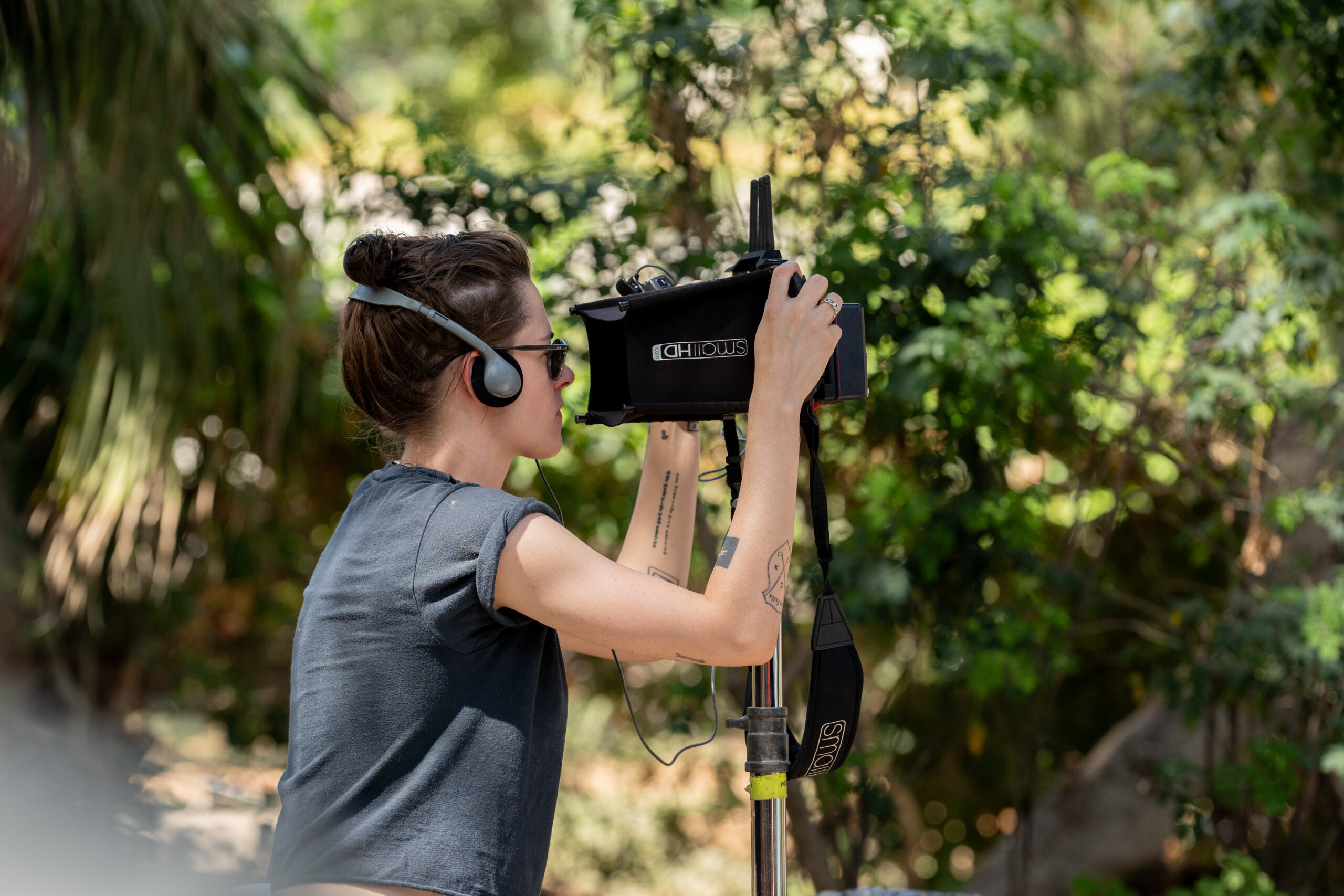
Kristen Stewart’s Directorial Debut ‘The Chronology of Water’ Among Films Benefiting From Boutique Distributors
When Kristen Stewart’s acclaimed feature directorial debut, *The Chronology of Water*, was acquired for domestic distribution by the Forge a few months after its Cannes premiere in May, one question crossed the minds of many people in the industry: What the hell is the Forge?
“After COVID started, it gave me an opportunity to think, as a film producer, about what sales entity I would want to work with, to have a vehicle to release films that we were intending to produce,” says founder Mark Mathias Sayre. “We had some early success, and a couple of contemporaries asked if we would handle their sales or distribution. Fast forward a couple years, and now it’s all we’re doing.”
As a flood of content has crowded the marketplace, so has an avalanche of new boutique distributors looking to release it, often prioritizing what their filmmakers want or targeting specific audiences. In the past year or two, companies like 1-2 Special, Cartuna x Dweck, the Future of Film Is Female, Joint Venture, Muscle Distribution, Suncatcher Prods., Watermelon Pictures, Willa and more have begun placing low-budget indies in theaters.
It’s been happening on a larger scale as well: since launching in 2023, AMC Theatres Distribution has turned to domestic distribution experts Variance Films to get the lay of the land. Its operation has had big successes with concert docs like *Renaissance: A Film by Beyoncé* and other event presentations.
But having more options doesn’t necessarily make a producer’s path easier.
“The biggest thing you need is patience, and you have to find your niche,” says Mabel Tam, senior VP of film and head programmer at Landmark Theatres. “There isn’t a one-size-fits-all approach anymore.”
She cites the Jewish/Catholic interfaith comedy *Bad Shabbos* as one example. “They released it in Florida first, before they even hit New York or L.A., and then targeted where they wanted to go. You have to be nimble and patient and watch your release calendar, making sure you’re not competing with anything too big.”
### Finding a Niche Audience
What might beat finding a niche audience for your film? A distributor that has a niche audience for its entire slate.
Watermelon Pictures, a branch of Chicago-based MPI Media Group, focuses on Palestinian cinema and related subjects. Since it was founded in 2024 by brothers Badie and Hamza Ali with creative director Alana Hadid (sister of models Gigi and Bella Hadid), it’s distributed around a dozen films and launched the Watermelon+ streaming service. Its potential to reach underserved audiences is similar to the way Angel Studios has found success with viewers seeking family-friendly and faith-based content.
Suncatcher Prods., which recently handled theatrical distribution for the Armenian documentary *There Was, There Was Not* (with Watermelon handling ancillary), is a label focusing on the theatrical release of films about women, people with disabilities, and the environment. Amazon and Focus Features vet Annalisa Shoemaker founded the company in 2023 as a for-hire theatrical distribution outfit.
It got off to an auspicious start with Oscar nominee *To Kill a Tiger*, taking the film from its awards-qualifying run to more than 40 arthouse cinemas. Shoemaker recently departed from her doc-heavy lineup, working with AMC Theatres to book the rom-com *Good Bad Things* and setting it up for a Hulu streaming deal.
“One of our goals at Suncatcher is building community, working backwards from the audience to learn what they want and how to bring them together,” she says.
### Championing Women Filmmakers
On its surface, the Future of Film Is Female’s (FOFIF) agenda seems pretty direct: create gender parity in the film industry by supporting the productions, exhibition, and promotion of women who are first-time filmmakers.
“What I’ve seen, leading out of the festivals, is that there’s not a lot of [gender] parity in what kind of films get picked up afterwards,” says programmer and FOFIF founder Caryn Coleman, who launched her nearly eight-year-old organization’s distribution arm a year ago. “One of the reasons I wanted to do this is because there are more of these films than I could possibly handle.”
But her model is something that could have far more widespread applications: using a nonprofit org to fund it all.
### Socially and Culturally Important Films
The production/distribution outfit Willa “focuses on socially and culturally important films,” says founder Elizabeth Woodward. Willa’s impressive lineup includes Claire Denis’ *The Fence* and Spirit Awards nominee *La Cocina*.
“Sundance Institute is really engaged in the future of distribution, so they invited me to be part of their fellowship,” Woodward adds. “That’s where I really formalized Willa’s business model, with some great mentors.”
### Embracing the Unique and Campy
While most of these new distributors lean towards more serious fare, there are a few notable exceptions.
Cartuna x Dweck, a partnership of Hannah Dweck and Ted Schaefer’s Dweck Prods. with James Belfer’s Cartuna animation studio, is launching its operations with *Dead Lover*, a horror-comedy they plan to screen with scratch-and-sniff “Stink-O-Vision” cards.
“We’ve been looking at some of the cooler, weirder types of films we’d like to get involved with, and we don’t see the market being very favorable to them,” Belfer says. “And we’d work with certain companies and things didn’t make sense to us. So we [thought], ‘Why don’t we put our energy towards distribution?’”
Their equal in camp might just be Muscle Distribution, recently founded by film historian Elizabeth Purchell, which focuses on classic queer underground and art films.
### Impact of Boutique Distributors
While each of these new companies may not earn a lot individually, together they can make an impact.
“The new smaller distributors are welcomed by movie theaters, particularly independent movie theaters and smaller theater chains,” says comScore head of marketplace trends Paul Dergarabedian. “Many of them fill a void by offering up films that, on their own, may not generate a ton of box office, but collectively can add to the bottom line, while simultaneously providing distribution and marketing to fledgling or overlooked films.”
It’s never been easy for independent filmmakers, but the emergence of so many boutique distributors offers a stark reflection of how expectations have changed.
“There are literally dozens of incredible films that premiere at Sundance, Tribeca, SXSW and all of these other regional film festivals,” says Lela Meadow-Conner, a board member at the independent exhibitor group Art House Convergence. “Yet traditional theatrical distributors’ marketing budgets have dwindled, or they’re not seeing the box office returns they had in the past. But [boutique distributors’] windows and terms are often more favorable for theaters. Some of them will even do a 50/50 split.”
Several distributors acknowledge that theatrical is often just a loss leader. “They see theatrical as marketing, in hopes of recouping some of that money with streaming.”
### Bespoke Distribution and Filmmaker Involvement
One buzzword you’ll hear a lot in the indie distribution space is “bespoke,” a fancy way of saying that each film’s release is tailored specifically to that feature and its unique audience.
Joint Venture, a new company co-founded by Participant vet Chris Lane, promises to “build coalitions with filmmakers, audiences and partners to unlock the potential of each film.” It gives filmmakers a chance to have greater involvement in their film’s rollout, target communities with specific ties to their characters or subject matter, and offer others a chance to partner with them on marketing campaigns or screenings.
For its recent release, *If You See Something*, a romantic thriller centering on an Iraqi doctor seeking political asylum in the U.S., the film’s website encourages viewers to join or donate to an organization that welcomes refugee families.
In February, former Sideshow exec Jason Hellerstein launched 1-2 Special, assembling a team of indie film veterans to release up to 10 theatrical releases a year. While many distributors claim to be filmmaker-friendly, 1-2 Special aims to involve them as little or as much as they’d like, and to be as transparent as possible about the process. The label got off to a solid start on October 10 with actor Harris Dickinson’s feature directorial debut, *Urchin*.
### Filmmaker-First Models and Cautions
There are also new boutique outfits that claim to be “filmmaker first” operations, where producers get their share of box office before, or at the same time as, the distributors.
“That is a premise that a lot of startup distributors have subscribed to, or have branded themselves as,” says entertainment attorney Elsa Ramo of Ramo Law. “And then the devil’s in the details: Is that truly how the deal is structured? Are there hidden costs and fees? Do they have a business plan that’s going to generate any revenue at all? With so much volatility in the marketplace, the best version of a deal provides some sort of advance or minimum guarantee. When you’re just dealing with revenue share, it becomes a much riskier proposition for the producer. Nothing is better than [getting] the most money upfront.”
Even though the influx of new players is exciting, Ramo says producers shouldn’t let their guard down.
“In terms of evaluating distribution, you want to make sure that it’s not just about the offer on the table,” she says. “Are these companies going to have cash a year from now? Because in these cycles of emerging distributors, the one thing that hasn’t gone away is that you really need to do your due diligence.”
https://variety.com/2025/film/entertainment-industry/kristen-stewart-chronology-of-water-small-distributor-forge-1236574133/


Kristen Stewart Declares “State Of Emergency” Over Hollywood’s Gender Inequality: “I’m So Angry”
As Kristen Stewart rolls out her feature directorial debut, she’s calling for more opportunities for women in filmmaking.
The Oscar nominee, whose film *The Chronology of Water* is set for a limited North American release in December, spoke openly about the challenges she faced. Stewart called out the “misogynist cacophony” she had to break through in order to make the adaptation of Lidia Yuknavitch’s book.
“In a post-Me Too moment, it seemed possible that stories made by and for women were finally getting their due, that we might be allowed or even encouraged to express ourselves and our shared experiences, all of our experiences without filter,” she said at Chanel’s 2025 Women’s Luncheon on Tuesday, according to *People*.
“But I can now attest to the bare-knuckle brawling that it takes every single frame,” Stewart added. “When the content is too dark, too taboo, when the frankness with which it serves up observations about experiences routinely experienced by women frequently provoke disgust and rejection.”
Noting she was “in a severe state of PMS today,” Stewart added, “But I relish being able to say that my nerves are close to the surface of my skin and it is a great day for that.”
“So in my hormonally activated state, let’s get further into this. It’s awkward to talk about inequality for some people, and it’s more awkward when the nature of inequality is somewhat ephemeral. We can discuss wage gaps and taxes on tampons and measure it in lots of quantifiable ways, but the violence is silencing. It’s like we’re not even supposed to be angry. But I can eat this podium with a fork and f***ing knife, I’m so angry.
“The backsliding from our brief moment of progress is statistically devastating. It is devastating. Such a pitiful number of films from the past last year have been made by women,” she said, adding: “Our business is in a state of emergency, man.
“I am thankful to you. I am not grateful to a boys club business model that pretends to want to hang out with us while siphoning our resources and belittling our true perspectives.”
Stewart concluded, “Those of us who have been lucky enough to make a movie have a responsibility to those who are yet to come.”
https://deadline.com/2025/11/kristen-stewart-state-emergency-hollywood-gender-inequality-1236608467/
Alaskan evacuees describe fleeing their storm-ravaged coastal communities
The house rocked as though an earthquake had struck, and suddenly it was floating. Water seeped in through the front door, and waves smacked the big glass window. From the lone dry room where Alexie Stone and his brothers and children gathered, he could look outside and see under the water, like an aquarium.
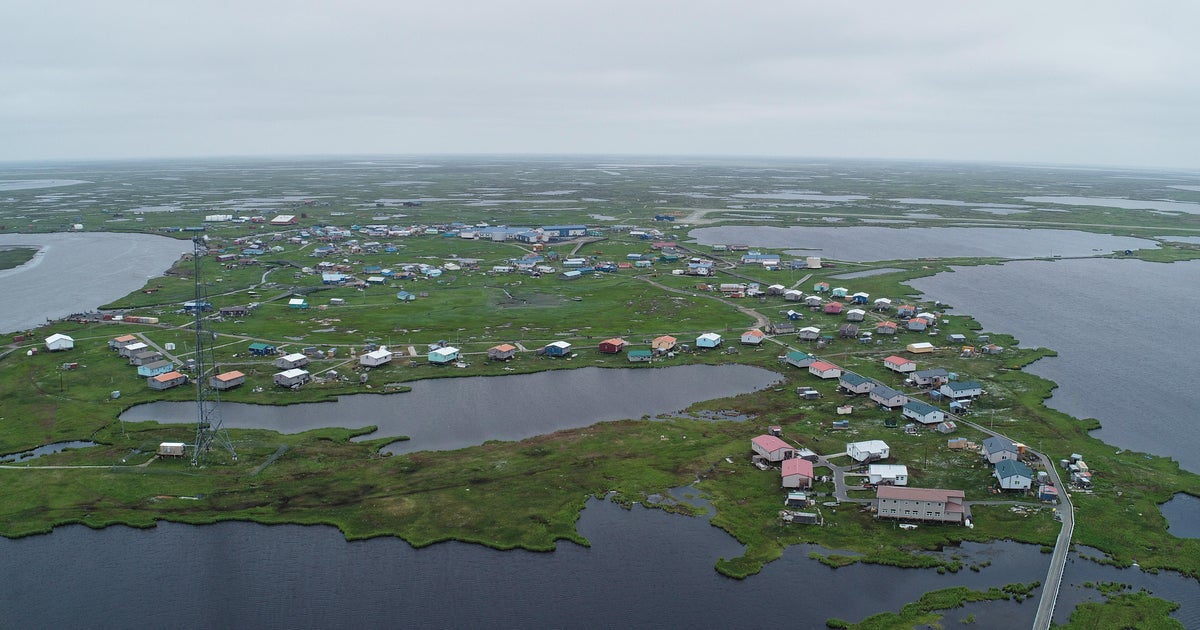
A shed drifted toward them, threatening to shatter the glass, but turned away before it hit. The house came to rest just a few feet away from where it previously stood, after another building blocked its path. But it remains uninhabitable, along with most of the rest of Stone’s Alaska Native village of Kipnuk, following an immense storm surge that flooded coastal parts of western Alaska, left one person dead and two missing, and prompted a huge evacuation effort to airlift more than 1,000 residents to safety.
“In our village, we’d say that we’re Native strong, we have Native pride, and nothing can break us down. But this is the hardest that we went through,” Stone said Thursday outside the Alaska Airlines Center, an arena in Anchorage, where he and hundreds of others were being sheltered. “Everybody’s taking care of everybody in there. We’re all thankful that we’re all alive.”
The remnants of Typhoon Halong brought record high water to low-lying Alaska Native communities last weekend and washed away homes, some with people inside. Makeshift shelters were quickly established and swelled to hold about 1,500 people—an extraordinary number in a sparsely populated region where communities are reachable only by air or water this time of year.
Bryan Fisher, the director of the Alaska Division of Homeland Security and Emergency Management, told CBS News on Thursday that this was one of the largest disasters the state has ever dealt with. Alaska Gov. Mike Dunleavy announced on social media Thursday evening that he submitted a request to the White House asking that President Trump issue a disaster declaration for the region.
Many of the evacuees were flown first to Bethel, a regional hub of 6,000 people. But authorities sought to relocate them as shelters there approached capacity. Stone and his family spent several nights sleeping on the floor of the Kipnuk school library before being flown to Bethel and then on to Anchorage, about 500 miles east of the villages. They arrived strapped into the floor of a huge military transport plane with hundreds of other evacuees.
Another military plane carrying evacuees was due to arrive at Joint Base Elmendorf-Richardson on Thursday evening.
The hardest-hit communities, Kipnuk and Kwigillingok, saw water levels more than 6 feet above the highest normal tide line. Some 121 homes were destroyed in Kipnuk, a village of about 700 people, and in Kwigillingok, three dozen homes drifted away. Cellphone service had been restored in Kwigillingok by Thursday, authorities said, and restrooms were again working at the school there, where about 350 people had sheltered overnight Tuesday.
Damage was also serious in other villages. Water, sewer, and well systems were inoperable in Napaskiak, according to a statement from the Federal Emergency Management Agency.
Jeremy Zidek, a spokesperson with the state emergency management office, said he did not know how long the evacuation would take and said authorities were looking for additional shelters. The aim is to get people from congregate shelters into hotel rooms or dormitories, he said.
Fisher also told CBS News Thursday that, while some of the flooding hit a record level, the weather forecasting was accurate, and they received the normal weather predictions and had the right data, regardless of the reported cuts to weather balloons or other projects. Fisher said cuts to public radio and TV did not affect communication.
He acknowledged that communication was hampered after the storm, but Alaska’s KYUK and KOTZ, two public radio stations, were up and broadcasting.
While still in Kipnuk, Stone spent his days trying to help out, he said. He would make trips to the airport to pick up water or food that had been sent by other villages, and deliver it to the school. He worked to help rebuild the boardwalks on which residents get around. And when he had time, he would return to his battered house, trying to clean up some of the waterlogged clothing and electronics the floodwaters had tossed about.
But the damage is extensive. Fuel and stove oil leaked from tanks, and the odor of petroleum permeates the entire town, he said. Like other villagers in the region, his family lost stores of food intended to help them get through the winter—the refrigerator and three freezers full of halibut, salmon, moose, and goose.
Stone’s mother, Julia Stone, is a village police officer in Kipnuk. She was working at the school last weekend when the winds suddenly picked up, people began arriving at the building, and her on-call police cellphone began ringing with calls from people in need—some reporting that their houses were floating.
She tried to reach search and rescue teams and others to determine if there were available boats to help, but the situation was “chaos,” she said. Her voice broke during an interview Thursday in Anchorage as she thanked those at the school who helped with the response.
“It’s a nightmare what we went through, but I thank God we are together,” she said.
Stone said he evacuated with the clothes on his back. Most of the rest of what he owned was soaked and reeked of fuel. The Red Cross provided cots, blankets, and hygiene supplies in Anchorage, he said, and he went out to a thrift store on Thursday to get more clothes: two shirts, a sweater, two pairs of pants, and tennis shoes.
He is not sure when it might be safe to return to Kipnuk.
“Everybody here that came from Kipnuk, they’re pretty strong,” Stone said. “If we have to start over, we have to start over.”
https://www.cbsnews.com/news/alaskan-evacuees-describe-fleeing-storm-ravaged-coastal-communities/