How to prepare for the ‘Great Wealth Transfer’

The investing information provided on this page is for educational purposes only. NerdWallet, Inc. does not offer advisory or brokerage services, nor does it recommend or advise investors to buy or sell particular stocks, securities, or other investments.

**Navigating the Great Wealth Transfer: What You Need to Know About Inheriting Money**

We are in the midst of the Great Wealth Transfer, a predicted titanic pass-down of assets from older generations to Gen X, Millennials, and Gen Z. According to financial research firm Cerulli Associates, $124 trillion will change generational hands through 2048.

That said, not everyone is going to receive a staggering amount of money—or any inheritance at all, frankly. Much of this wealth is concentrated in a small segment of the population. But if you’re inheriting wealth, you’ll have choices to make, and planning ahead can help you avoid costly mistakes.

> “This is something that’s really powerful, that could really propel your financial security,” says Fahmin Fardous, a certified financial planner with Zenith Wealth Partners in Morristown, New Jersey. “Let’s look at where you are, and let’s look at what your goals are in life.”

### Prepare Before the Inheritance

Receiving large sums of money and losing a loved one are both events that can throw you for a loop—emotionally and practically.

> “Grief can lead to rushed decisions,” says Scott Bishop, a CFP and co-founder of Presidio Wealth Partners in Houston. Establishing goals, understanding inheritance terms, and researching tax implications can put you in a better place to make smart choices, he says.

In other words, laying the groundwork now prepares you for the hard work later.

> “Emotionally, I often see people swing to extremes: either refusing to spend any money because it feels like ‘blood money,’ or spending too quickly because they don’t feel deserving of it,” says Mitchell Kraus, a CFP with Capital Intelligence Associates in Santa Monica, California.

No matter what emotion you feel at the time—whether happiness, sadness, or general overwhelm—it’s probably normal.

> “I’ve seen stress, I’ve seen excitement,” Fardous adds. Many clients have never dealt with this kind of money before and simply don’t know what to do with it.

### Avoid Common Inheritance Mistakes

All those feelings can make it hard to act thoughtfully on newfound wealth, especially if it’s a life-changing amount.

One thing you shouldn’t do, Fardous warns, is start mentally spending the cash before you actually have it.

> “Whenever I see someone who’s received a windfall, they think of this wish list they’ve had,” she says. “And this money is getting spent in their head before it’s even hitting their bank account.”

That mindset can derail long-term security before the inheritance has even fully settled.

> “Don’t bank on an inheritance until you have it,” Kraus advises.

Some people seek professional advice—which is good!—but end up with financial pros who try to sell high-commission products, which isn’t ideal. If you work with a professional, consider finding a fiduciary: someone legally bound to act in your best interest.

> “Be sure you understand the difference between a fee-based financial planner, who receives commissions for recommending products, and a fee-only planner, who is paid only by clients,” Fardous explains.

Sometimes, pressure from friends and family can prompt hasty actions before you’ve had time to think. Kraus recommends setting a “90-day decision-free zone”—a period where you avoid making any irreversible financial moves.

> “It gives you a chance to reset, to think about what’s going on and how it’s happening, and that takes a lot of the pressure off,” Kraus says.

### Have the Hard Conversations Early

Knowing what’s coming your way allows you to prepare for taxation and distribution. For example, if you’re inheriting an IRA, there are rules about when and how you must take distributions. Taxes may also be due on what you receive.

If you have the kind of relationship with your loved one where you can discuss potential inheritances, do it.

> “I can’t tell you how many families I see where parents plan to leave a lot of money for their kids, but the kids worry about parents not being able to get by, so they save money in case the parents need help,” says Kraus. “Having those conversations ahead of time can help.”

Consider asking about what you might inherit—money, property, investments—and whether there are any restrictions on those assets.

### Make a Plan for Inherited Wealth

After taking some time to absorb your situation and emotions, experts recommend considering a few priorities.

Consulting a professional about your tax liabilities should be one of your first steps, Bishop says. After that, focus on building an emergency fund and paying down debt.

> “We don’t want to allocate anything toward anything else without you having an emergency fund of three to six months in high-yield savings and making sure you don’t have any high-interest debt,” Fardous recommends.

Next, consider your goals. Do you want to put money toward your children’s college education, buy a house, or boost your retirement nest egg?

> “The first thing you don’t want to do is go out and buy three Ferraris,” Bishop jokes. Think carefully about what’s important to you and what this money means for your future.

Ask yourself:

– Where do you want to go?
– Does this inheritance mean you can retire early?
– Would you want to retire early?

> “Think of it as an opportunity to reset your life,” Bishop says. “Big checks invite big mistakes. It’s important to slow down, have a plan, and then execute.”

**Related Reads:**
– [4 Ways to Relaunch Your Finances in 2026]
– [6 Clever Ways I’ve Saved Money (That Weren’t as Scary as I Thought)]
– [Will U.S. Intervention in Venezuela Change Prices at the Pump?]

*Kate Ashford, WMS™ writes for NerdWallet.*
Email: kashford@nerdwallet.com
Twitter: [@kateashford](https://twitter.com/kateashford)
https://www.theoaklandpress.com/2026/01/24/great-wealth-transfer/

Lawmakers urge Trump: Don’t politicize disaster aid ahead of winter storm

As dozens of states brace for a historic winter storm this weekend, all eyes are on President Donald Trump’s administration and whether politics will play a role in who receives federal disaster assistance.

Politico reported Friday that many governors of states in the path of Winter Storm Fern are already scrambling to line up resources. Nearly an inch of freezing rain is expected across much of the Deep South, while heavy snow is likely to pummel the bulk of the Midwest and the East Coast. According to the Weather Channel, the storm will impact approximately 230 million Americans.

An unnamed senior official within the Federal Emergency Management Agency (FEMA) anonymously told Politico that states are “expecting the worst” after discussions with the Trump administration. “They’re preparing for no grants, no money,” the official said.

Recently, lawmakers on Capitol Hill approved a spending bill to fund the Department of Homeland Security (DHS)—under which FEMA operates—through 2026. One provision in the legislation stipulates that “snowstorms shall be eligible for Federal relief.”

Still, some Democrats worry the Trump administration will attempt to stifle aid to Democratic-run states. Under the second Trump administration, Cameron Hamilton, the former acting FEMA administrator, entertained the idea of denying aid for snowstorms.

Politico also reported that after catastrophic flooding in the spring of 2025, the Trump administration denied federal disaster funding to Maryland, led by Democratic Governor Wes Moore.

A spokesperson for Senator Chris Coons (D-Del.) expressed concern, stating that the tendency of Trump and DHS Secretary Kristi Noem “to turn even the weather into a partisan issue and play politics with people’s lives may make an already bad situation somehow even worse.”

House Homeland Security Committee ranking member Rep. Bennie Thompson (D-Miss.) urged the administration to adhere to the standard set by the recent DHS funding bill. “Any notion that snowstorms don’t qualify as a disaster defies logic and is unnecessarily cruel,” Thompson told Politico.

Since 2016, FEMA has spent roughly $272 million helping communities recover from snowstorms, according to Politico. While this is a significant amount, it remains comparatively small given the tens of billions of dollars the agency has spent on all disaster relief during that period.

States are particularly dependent on federal funds following snowstorms. Former FEMA Administrator Craig Fugate, who served during the Obama administration, told Politico that cash-strapped states which do not frequently experience wintry conditions tend to cut snow removal funding during lean times.

“We tried to set the thresholds to say, unless this is an extraordinary event, it should not be supplanting state and local responsibility to fund snow removal and treatment operations on their highways on the back of the federal taxpayers,” Fugate explained.

As Winter Storm Fern approaches, the nation watches closely to see how federal disaster assistance will be managed—and whether politics will influence which communities receive aid.
https://www.alternet.org/trump-disaster-aid-snowstorm/

Maine men’s basketball holds off Albany

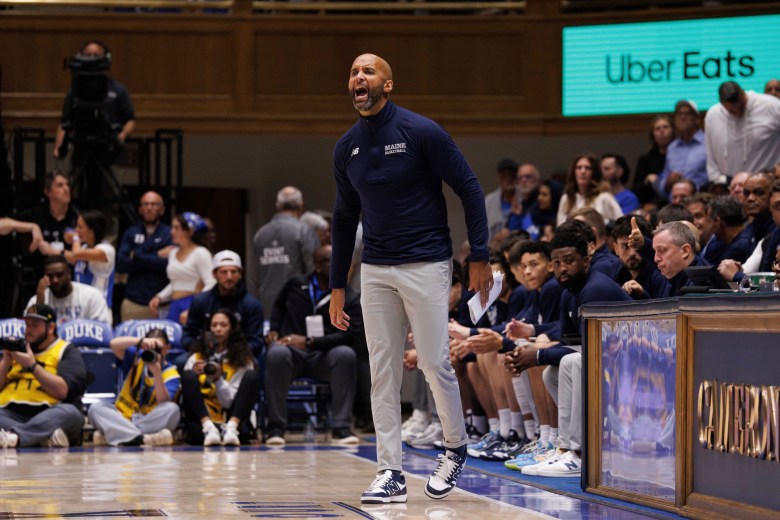
Ace Flagg made a crucial foul shot with 1:55 remaining to give Maine the lead, and the Black Bears held on to beat Albany 52-49 in an America East men’s basketball game on Thursday in Orono.

Flagg, a Newport native, finished the game with 12 points, eight rebounds, and four assists for the Black Bears (4-17, 2-4 America East), helping Maine snap a two-game losing streak. He extended Maine’s lead to three points with 42 seconds left in the game.

Logan Carey then stepped up, sinking three foul shots to secure the victory. Carey and Mehki Gray led the team with 13 points each.

For Albany (7-13, 3-2), Abdoulaye Fall scored a team-high 14 points, while Isaac Abidde contributed 10 points in the effort.
https://www.centralmaine.com/2026/01/22/maine-mens-basketball-holds-off-albany/

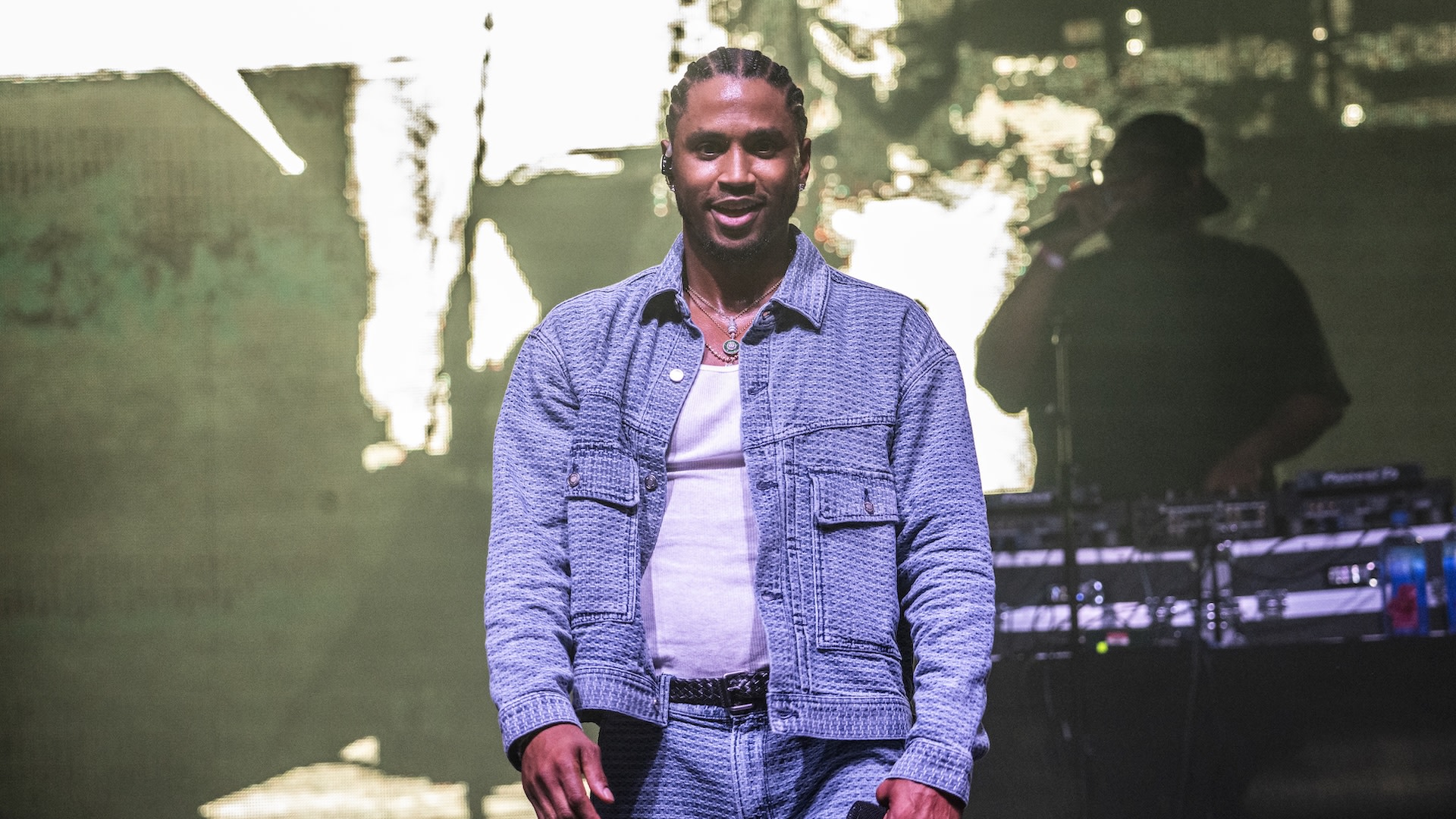
Trey Songz Sues Kansas City Police Over 2021 Chiefs Playoff Game Arrest

Trey Songz is suing the Kansas City Police Department over its handling of an incident that led to his arrest during the AFC Championship Game between the Chiefs and Buffalo Bills in 2021.

According to a lawsuit obtained by TMZ, Songz alleges that he was “physically assaulted, wrongfully arrested, handcuffed and detained” after security guards and officers arrived at his section in the stadium. The singer claims that authorities failed to protect him from “unruly, aggressive and intoxicated attendees” who were threatening and harassing him.

Following his arrest, witnesses told TMZ that Songz was being heckled by people seated a few rows back when the officer showed up and “went after him” without warning. Songz was charged with trespassing, resisting arrest, and assaulting a police officer. However, these charges were later dismissed.

The lawsuit states that Songz suffered physical injuries, emotional distress, damage to his professional reputation, and financial losses as a result of the incident. He is seeking unspecified damages.

In a separate matter, Songz was arrested last month for causing over $1,500 worth of damage to property and equipment at a hookah lounge in New York City. It was then discovered that the singer was wanted for another incident at a Times Square nightclub that same night. In that incident, he allegedly punched an employee who informed him that the venue was closing and that he needed to leave.

His attorney, Mitchell Schuster, stated that his client, who has pleaded not guilty to assault, harassment, and criminal mischief, is “cooperating fully and looks forward to the facts coming to light.”
https://www.complex.com/music/a/jose-martinez/trey-songz-kansas-city-police-lawsuit-chiefs-playoff-game

Lineup changes, renewed defense help No. 22 Tar Heels cruise past Notre Dame

CHAPEL HILL — With all the noise surrounding the North Carolina basketball team this past week, it must have seemed like old times to head coach Hubert Davis.

A year ago, there were similar rumblings about whether Davis was the right fit to lead the illustrious program, but the Tar Heels went on a six-game winning streak near the end of the regular season to quiet the clamor.

Wednesday night, limping home after a two-loss West Coast trip and three defeats in four games, the 22nd-ranked Tar Heels faced a Notre Dame team enduring even greater struggles. The Fighting Irish were on a four-game losing streak, losers in five of their last six, and without their top scorer, Marcus Burton, who was injured after averaging 18.5 points through ten games.

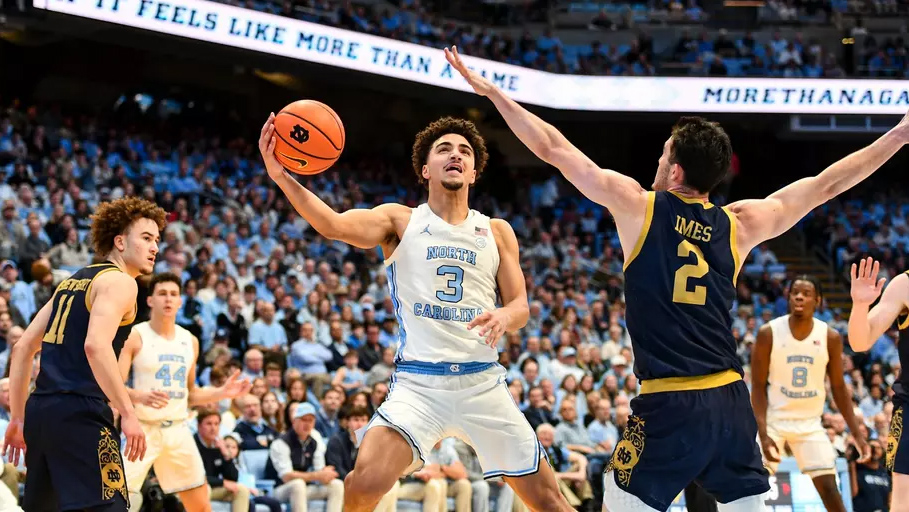
Davis juggled his starting lineup for the third straight contest and the changes worked. Point guard Derek Dixon, starting his second consecutive game, opened the scoring with a 3-pointer from the right corner, and the Heels never trailed, coasting to a 91-69 victory.

“I thought about moving forward and not dwelling on California,” Davis said about his coaching approach in practice after the disappointing loss. “I didn’t want that to lead to the next game against Notre Dame. I wanted to be positive with these guys, give them confidence to go out there and play, and they were able to do that tonight.”

North Carolina is 12-0 at home this season, and the Tar Heels have won six in a row over Notre Dame. UNC is now 15-4 overall—a record most programs, not named North Carolina, would be happy with—and 3-3 in the ACC, while the Irish fall to 10-9 on the season, 1-5 ACC.

Notre Dame made two first-half runs at the Heels. Braeden Shrewsberry’s 3 cut the lead to one, but Luka Bogavac hit a 3-pointer from the left wing and Kyan Evans’s trey from the right corner gave UNC an 18-10 lead. When the Irish cut the margin to three, Carolina went on a 10-2 run and led 42-33 at the half.

After Henri Veesaar opened the second half with a hook shot and a 3-pointer, followed by another Dixon trey—extending the margin to 50-33 with less than two minutes gone in the half—the outcome was clear.

“At halftime, I said, ‘OK, let’s take another step, let’s get off to a good start, let’s raise our level even more,’” Davis said. “And we started off on an 8-0 run and we just continued it throughout the second half. That’s something that we hadn’t done in a while and I was very proud and very happy for them.”

Perhaps the loudest complaint after the loss to California was the perceived failure to get the ball to the Heels’ best player, Caleb Wilson—although the freshman took 12 shots, barely below his 12.3 shots per game average. Against Notre Dame, Wilson took only 11 shots but made eight, while converting 5 of 8 free throws to finish with 22 points, seven rebounds, and five assists.

It was the 19th game in a row Wilson scored in double figures, just one off the UNC record to begin a career set by Rashad McCants. Veesaar scored 15 points and hauled in 12 rebounds for his 10th double-double of the season, and Dixon finished with 11 points.

Eight different Tar Heels made 3-pointers in the game, tying the all-time UNC record.

Tar Heel fans also blamed Davis for North Carolina’s porous defense. In their three recent losses against SMU, Stanford, and Cal, opponents shot 54% from the field and 54.3% from the 3-point line. Against Notre Dame, the Heels mixed man-to-man defense with a 1-3-1 zone to limit the Irish to 36% shooting from the floor and 32% on 3-pointers—although Notre Dame did convert 6-of-12 treys in the first half.

“We talk about communication all the time, and the communication at times wasn’t there in the first half,” Davis said of his team’s 3-point defense. “We did a much better job of communicating in the second half.”

If there was a chink in the Heels’ armor, it was on the offensive boards where Notre Dame beat them 18-10, although UNC still held a 17-13 advantage in second-chance points. The Heels shot 50.8% from the field, 38.2% from 3-pointers, and enjoyed a 13-2 advantage in fast break points.

The win gives Davis and the Heels some breathing room, as the performance may quiet the discontent—at least a bit. But Carolina can hardly rest on its laurels as it faces 14th-ranked Virginia in Charlottesville next Saturday, and a loss—especially a bad loss—will put the spotlight back on its head coach.

“This is the first time with this group and we have 11 new players,” Davis said. “We’re learning, we’re growing, we’re getting better, and we’re looking forward to practice and preparation to play a really good Virginia team.”
https://www.wilsontimes.com/sports/lineup-changes-renewed-defense-help-no-22-tar-heels-cruise-past-notre-dame-0c03fff9

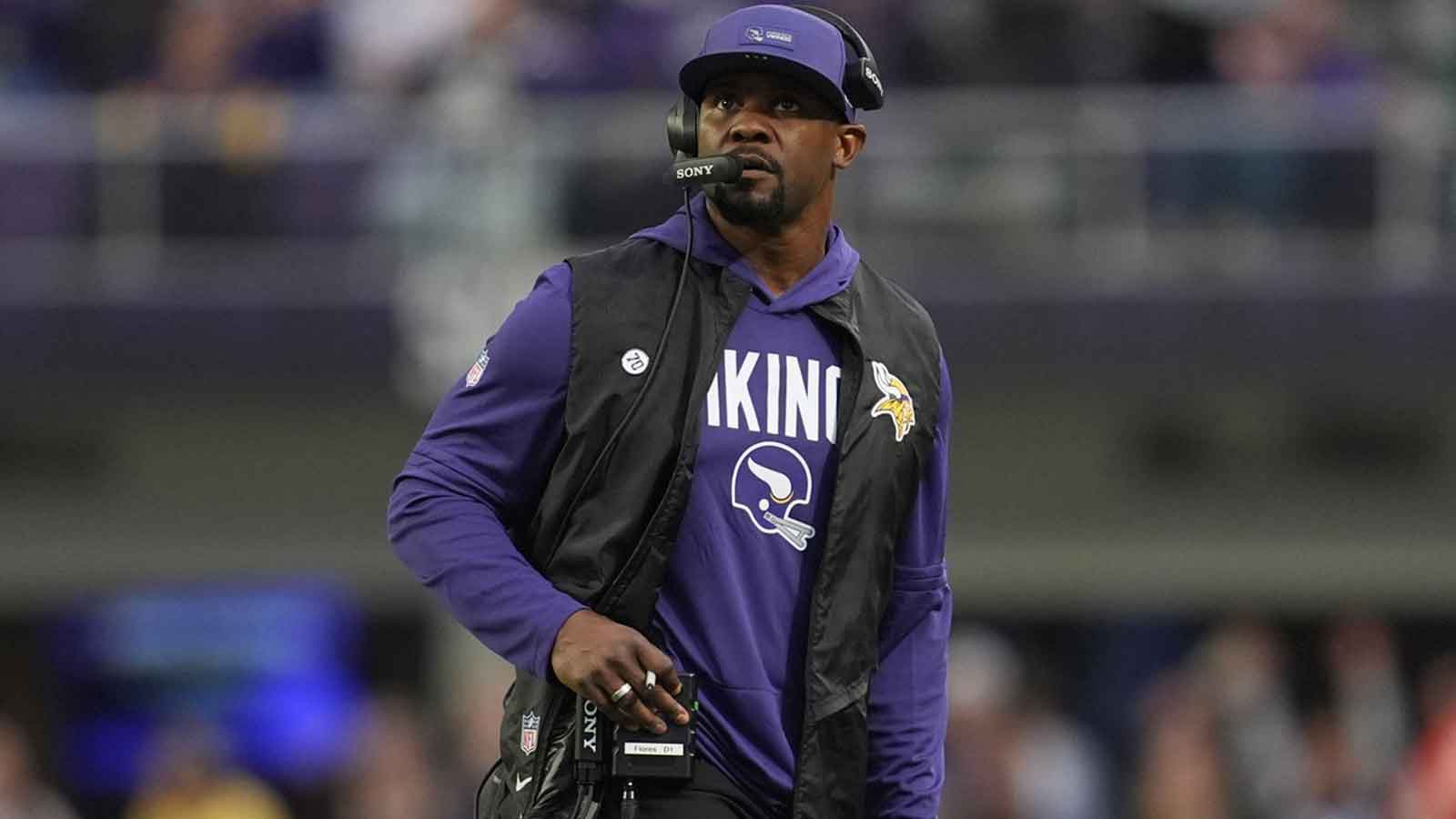
Brian Flores signs new Vikings deal, but there’s a catch

The Minnesota Vikings faced the possibility of losing defensive coordinator Brian Flores, especially after he interviewed for the Pittsburgh Steelers’ head coaching position. Despite that uncertainty, the Vikings have announced they will retain Flores as their defensive coordinator through an extension finalized Wednesday night.

However, there’s a catch. ESPN NFL insider Jeremy Fowler shared some insights on the social media platform X (formerly Twitter), explaining that Flores remains in contention for head coaching roles even after signing the new deal with Minnesota.

“Brian Flores is still in the mix on head coaching jobs despite his new deal with Minnesota, I’m told,” Fowler revealed. “He just interviewed in-person with the Steelers earlier this week.”

This development suggests that the Vikings and head coach Kevin O’Connell may need to consider a contingency plan at defensive coordinator should Flores change his mind or accept another opportunity.

This story will be updated as more information becomes available.
https://clutchpoints.com/nfl/minnesota-vikings/vikings-news-brian-flores-signs-new-deal-but-theres-a-catch

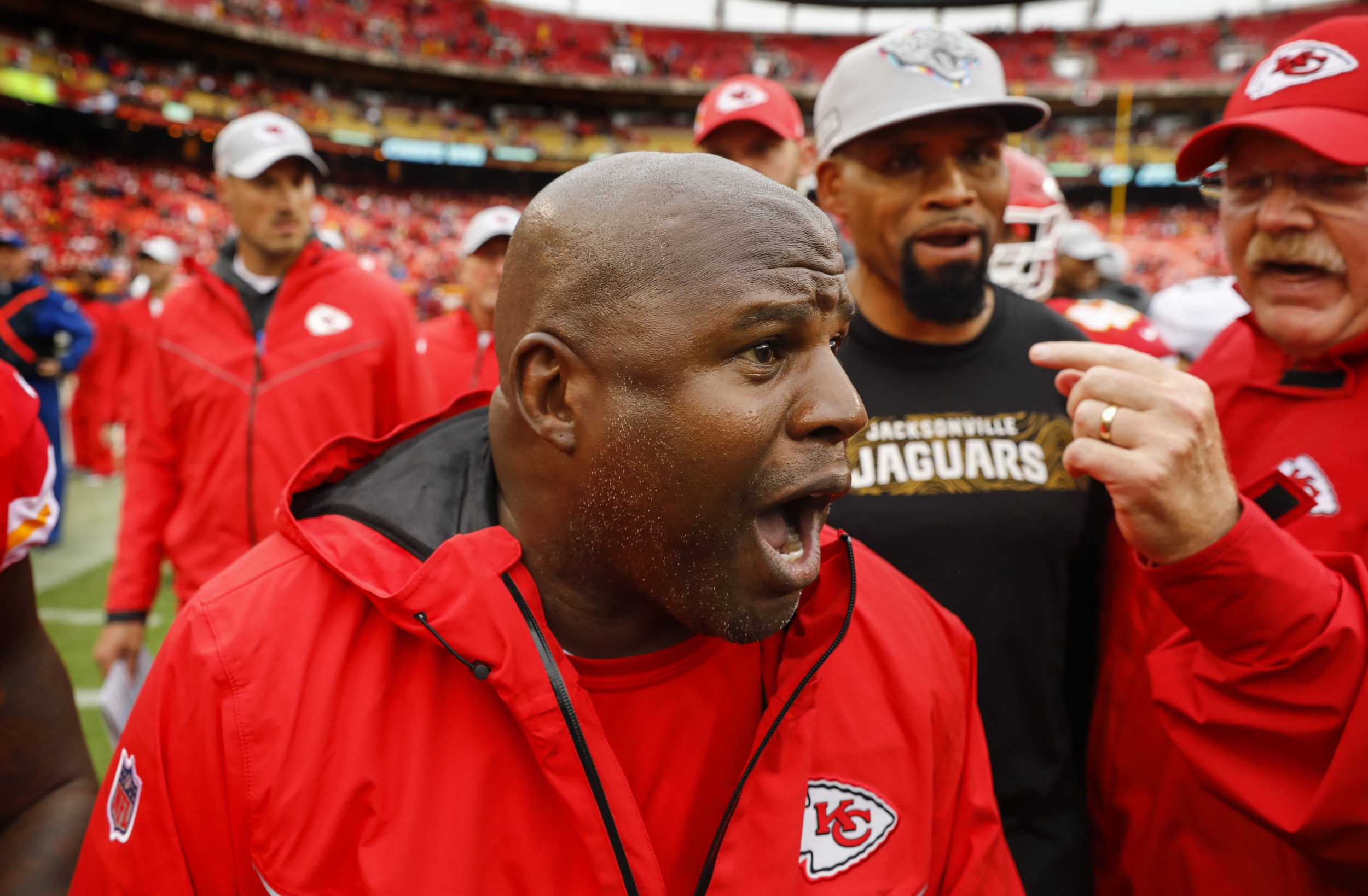
Bieniemy Back With Chiefs as Eagles’ OC Search Intensifies

Former Eagles running back Eric Bieniemy is back with the Kansas City Chiefs, according to Tom Pelissero, returning to the offensive coordinator role where he helped build one of the most dominant dynasties in modern NFL history.

From a Philadelphia Eagles perspective, the news lands with a familiar sting. Bieniemy wasn’t just part of Kansas City’s rise — he was one of the architects behind the offense that ultimately ripped a Lombardi Trophy away from the Eagles in Super Bowl LVII. Now, after Kansas City’s offense showed signs of regression without him, head coach Andy Reid has brought back a trusted lieutenant to stabilize Patrick Mahomes and reset the Chiefs’ championship standard.

### Chiefs Reclaim a Proven Weapon the Eagles Know Too Well

Bieniemy’s return signals urgency from Kansas City. The Chiefs didn’t experiment or overthink it. They went back to what worked.

During Bieniemy’s previous stint, Kansas City consistently finished as a top-tier offense, pairing Reid’s system with Bieniemy’s demanding, detail-driven approach. His voice carried significant weight in the locker room, particularly with Mahomes, and his influence was clear in situational football—red zone execution, third-down efficiency, and postseason composure.

From the Eagles’ viewpoint, that’s the unsettling part. Philadelphia has spent the past two seasons searching for offensive consistency, cycling through different ideas while rivals double down on trusted leadership. Kansas City’s move feels surgical. Meanwhile, the Eagles’ recent offensive adjustments have seemed reactive.

### Eagles Looking To Replace Patullo At OC Themselves

Bieniemy’s return looms large, especially as the Eagles remain in the middle of reshaping their offensive staff. The team is tasked with restoring rhythm, creativity, and consistency around quarterback Jalen Hurts.

His return sharpens the contrast between a rival that moved swiftly and an Eagles team that now must get its decision right—not just soon, but decisively.

This high-profile hiring around the league underscores what’s at stake for Philadelphia’s offensive coordinator search. The next coordinator must do more than simply call plays. He must establish a clear offensive identity, maximize elite skill talent, and provide week-to-week adaptability against top-tier opponents.

Multiple of the Eagles’ top OC suitors have bowed out of the race. Former Dolphins head coach Mike McDaniel is set to take over the offensive coordinator position at the Los Angeles Chargers. According to Dianna Russini, Brian Daboll wants the Bills’ head coaching job, but if he does not receive it, he is expected to become the next offensive coordinator for the Tennessee Titans instead.

With the top two options off the board, the Eagles are now operating in “Plan C” mode. Some of the top available candidates include Matt Nagy, Joe Brady, and Kellen Moore.

### What Philadelphia Needs in Its Next Offensive Coordinator

For the Eagles, it’s particularly important to land an offensive coordinator who can maximize the talents of their playmakers rather than neutralize them.

Under Patullo, the Eagles ran a high volume of hitch routes that effectively limited the passing attack’s potential, which features Jalen Hurts, A.J. Brown, and DeVonta Smith. Compounding this issue were injuries on the offensive line, contributing to Saquon Barkley averaging fewer than four yards per carry after his impressive 2,000-yard season last year.

As Philadelphia moves forward, the pressure is on to find a coordinator who can reverse these trends and help the Eagles reach—and sustain—a championship level.
https://heavy.com/sports/nfl/philadelphia-eagles/bienemy-back-chiefs-eagles-oc-intensifies/

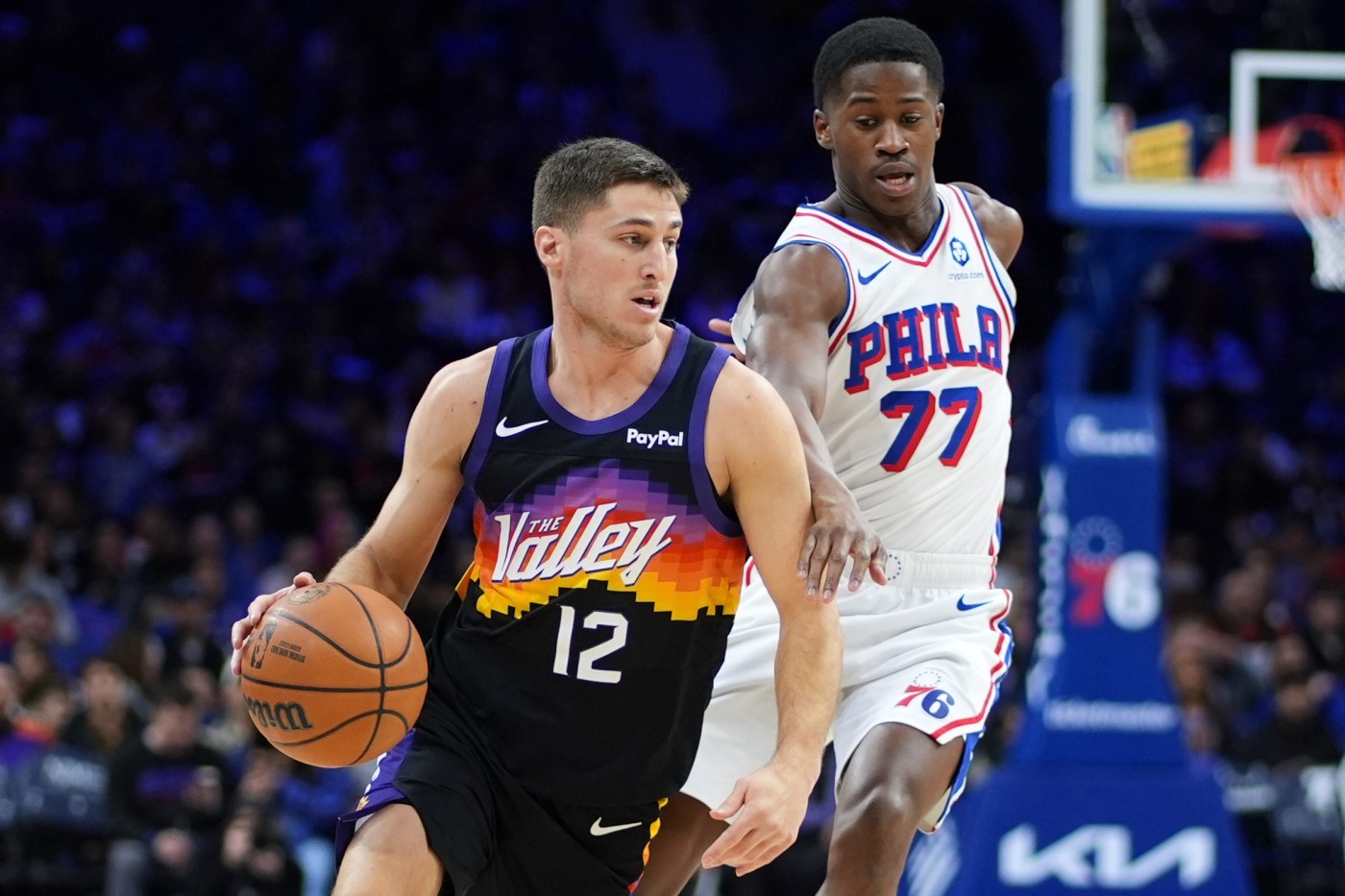
Having waited and learned, Collin Gillespie making most of time with Suns

**Collin Gillespie’s Patient Path to NBA Success Pays Off with the Phoenix Suns**

PHILADELPHIA — Collin Gillespie knows what it takes to wait for the right opportunity. He understood this in high school, entering his senior year at Archbishop Wood relatively unheralded in the Catholic League, with college offers only from Albany, Maine, and Holy Family.

He knew it again as a freshman at Villanova, watching for six weeks during December and January before returning to a team that went on to win the national championship in 2018. And he knew it once more as a rookie in the NBA, patiently rehabbing a broken leg that delayed the start of his professional career.

So, on Tuesday, as the 26-year-old prepared to play his first NBA game in Philadelphia—three and a half years after going undrafted in 2022—the Huntingdon Valley native was comfortable with the path he had taken and the progress he has made.

“I’ve learned a lot about the NBA game since being here with Denver,” Gillespie said from the Phoenix Suns locker room before a 116-110 win over the 76ers. “I’ve gotten valuable experience on the court as well. So I think it’s just experience, being able to learn while being off the floor, while being on the floor, just a little bit of everything, trying to continue to get better every day.”

Gillespie has made the most of all that waiting, and now he’s making the most of the minutes he has earned. He is currently averaging 13.1 points, 4.1 rebounds, and 4.8 assists for the suddenly resurgent Suns. Though there has been chatter about him in the NBA’s Sixth Man of the Year race, Tuesday marked the 25th straight game he has started for Phoenix, fitting in splendidly alongside high-scoring Devin Booker.

In Tuesday’s game, Gillespie scored 12 points on 3-for-6 shooting, grabbed four rebounds, and dished out four assists in 28 minutes. He put up 22 points the night before in a win at Brooklyn, helping the Suns to an 8-3 record in January.

Impressively, Gillespie has translated the flashes he showed during the 2023-24 season with Denver—and a 33-game stint last year—into sustained production, now playing 28.1 minutes per game and looking every bit the part of an NBA regular. This seamless adaptation to higher levels of competition is no surprise for those familiar with his journey.

During his collegiate career at Villanova, Gillespie did a bit of everything across 156 games. He scored 1,858 points, averaging 15 or more points per game in both the 2019-20 and 2021-22 seasons. In his final year, he shot an impressive 41.5 percent from 3-point range. Yet, despite these numbers, he went undrafted and entered the league through a two-way contract.

After signing with the Denver Nuggets, a leg fracture in a workout at Villanova cut his rookie season—on a championship team—short before it even began. But Gillespie used the time to learn by watching, much like he did as a freshman in college when injured.

“There’s a lot that you could learn about the game, about yourself, about teammates, other teams, especially when you’re just sitting and watching,” he said. “I did it when I was in college when I got hurt, so I kind of have that experience of being able to do that.”

While some may question Gillespie’s physical measurables—standing 6-foot-1, questions about his quickness or defense—there is no doubt about his makeup. Kyle Lowry, the 76ers guard and Villanova alum, calls him a “winner.” Suns coach Jordan Ott echoes that sentiment: “Ultracompetitive, has won at every level, fearless.”

Gillespie extracted everything he could from his time sitting in Denver, then did the same with limited minutes as a Nugget, and then evolved from a two-way player with the Suns to a key rotation piece on a team aiming for the playoffs.

In the 2023-24 season with Denver, he averaged 3.6 points in 9.4 minutes over 24 games. Last year with Phoenix, he improved to 5.9 points in 14.0 minutes across 33 games (nine starts), while dominating at times in the G League with 20 points per game averages. This season, he has stayed with the big club all year and has been a significant contributor to a Suns team once thought to be rebuilding after firing coach Mike Budenholzer in April and trading Kevin Durant in July.

“I always go back to his ability to shoot off the dribble, which I think is an elite skill of his and something that’s needed in today’s game with so many pick-and-rolls and so many drives,” Ott said. “He’s able to defend his position for his size. You cannot target him. He became super competitive to take those challenges, and now he just got the opportunity.”

Gillespie’s performance confirms that last year’s numbers weren’t just a product of opportunism on a sub-.500 squad. He averaged 20.8 points per 100 possessions last year, and this year—playing with better teammates who command the ball more—he’s up to 23.2 points per 100 possessions. His assists remain steady at 8.4 per 100 possessions.

Defensively, Gillespie ranks eighth in the league with 1.4 steals per 48 minutes, trailing only the 76ers’ Tyrese Maxey, who leads the NBA at 2.1 steals per game.

He credits his rapid improvement to the mindset he developed at Villanova, where “we treated it like it was our job in college, and now it is our job.” The success of his Villanova peers in the NBA vindicates that mentality.

Now, Gillespie is adapting to what the professional game requires and, as he has done everywhere else, he is flourishing.

“I think I know my role,” he said. “I play with really good players. I play with Book, and he has so much gravity on the floor. Jalen [Green] has an immense amount of gravity on the floor, able to put a ton of pressure on the rim. So just being able to play off those guys, I feel like I’m pretty good in terms of just being able to find my role, whether I need to go out there and score, whether I need to go out there and find guys, get rebounds, kind of run the offense, or just contribute to winning in any way possible.”

Collin Gillespie’s journey from overlooked high school player to impactful NBA starter serves as a testament to patience, hard work, and seizing the moment when the opportunity finally arrives.
https://www.pottsmerc.com/2026/01/21/having-waited-and-learned-collin-gillespie-making-most-of-time-with-suns/