Category Archives: pandemic

Florida’s housing market was skewed wildly by the pandemic. It’s finally coming to grips with a ‘realistic middle ground’

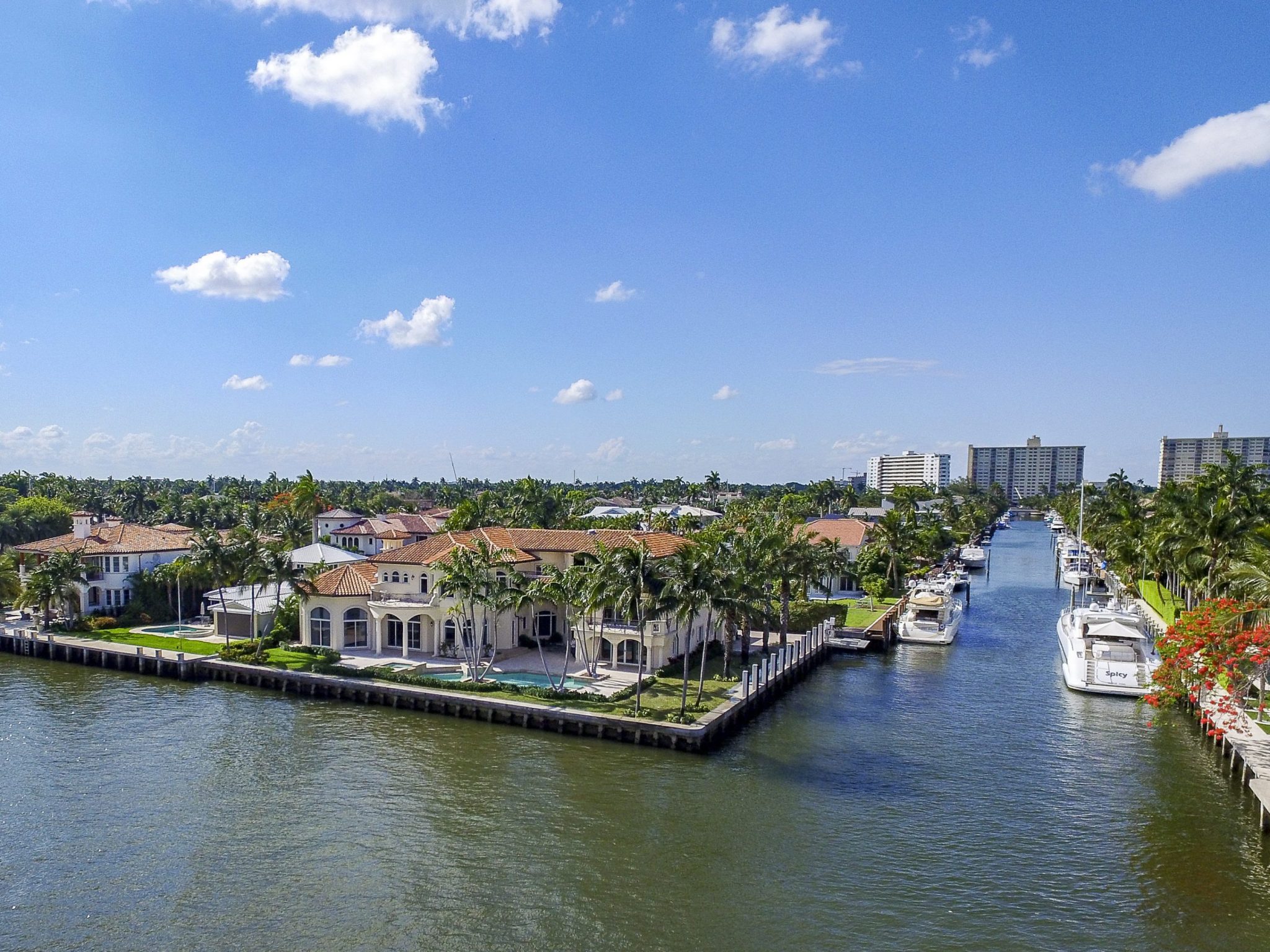
Florida’s housing market was one of the hottest during the pandemic, driven by the state’s appeal to remote workers, retirees, and investors relocating from high-cost states like New York and California. These buyers were seeking more space, lower taxes, and lenient COVID restrictions. Between March 2020 and June 2022, home prices in Florida surged by a remarkable 51%.

Demand remained high during this period, which kept inventory levels low. However, Florida’s inventory is now dwindling for a very different reason. Experts say the decline isn’t due to renewed demand, but rather rampant delistings and fewer new listings. According to Zillow data, home prices have dropped about 5.4% year over year.

“Low prices and low demand are making people who aren’t in a hurry simply withdraw listings rather than sell at a low price,” explained Alexei Morgado, a Florida real estate agent and founder of real-estate exam prep company Lexawise, in an interview with Fortune. “Inventory is down, but not because of big sales, but rather because of delistings and slow demand. So it’s all a mixed bag.”

Data from Realtor.com in August highlights this trend. Some parts of Florida saw nearly 60 homes delisted for every 100 newly listed homes. Miami had the highest delisting-to-listing ratio at about 59, followed by Tampa at 33 and Orlando at 28.

Overall, the number of single-family homes for sale in Florida fell from more than 100,000 in the spring to about 96,000 after years of rapid growth, according to Simonsen, founder and president of real-estate analytics firm Altos Research.

This downward trend is a signal that the market is “clearing out” would-be sellers, said Jenna Stauffer, a Florida-based real-estate broker and global real estate advisor for Sotheby’s International Realty. According to Stauffer, those who needed to sell have most likely already done so, even if it meant lowering prices or offering concessions.

Stauffer describes the current pullback as “healthy” because it helps reset home prices and balances supply and demand. “It also shows that sellers are becoming more in tune with market conditions,” she added.

### Is the Florida Housing Market Crashing or Correcting?

While experts acknowledge the major changes occurring in Florida’s housing market, they insist these shifts are not indicative of a crash—a swift and severe decline in prices driven by an imbalance of supply and demand. Instead, the trend of declining inventory reflects a market correction.

“Higher inventory had been putting downward pressure on prices and giving buyers the upper hand,” Stauffer explained. “Buyers had so many options, no urgency, and plenty of time to negotiate.”

Now that inventory is tightening, the market dynamic could start to shift. Buyers may lose some of the leverage they previously held, while sellers could regain “a little” power.

Stauffer emphasized, “It’s not a crash in Florida, but a reset. Sellers have to recognize that this is a different market than a few years ago. Demand isn’t the same and supply isn’t the same. It’s forcing everyone to a more realistic middle ground.”

### What Does This Mean for Buyers and Sellers?

Alexei Morgado advises caution for sellers in the current market. “It may not be the best time to sell your home in Florida,” he said, “but it could be the right time to buy.”

“If you must sell, of course, go ahead,” Morgado added. “But if you can wait, wait. And for buyers: You can get a good price, with lower rates and discounts, so take advantage of that now.”

As Florida’s housing market continues to evolve, understanding these shifts can help both buyers and sellers make informed decisions in an ever-changing landscape.
https://fortune.com/2025/10/20/florida-housing-market-correction-inventory-home-prices-delisting-inventory/

病原菌の薬剤耐性獲得が加速 感染症6件に1件、WHO


title: 病原菌の薬剤耐性獲得が加速 感染症6件に1件、WHOが警告
date: 2025-10-13 16:47
categories: 社会, 医療・健康

世界保健機関(WHO)は2025年10月13日、2023年に検査で確認された細菌感染症のうち、約6件に1件が抗生物質(抗菌薬)が効かない薬剤耐性菌によって引き起こされたと発表しました。

これは、病原菌が薬剤耐性を獲得する速度が加速していることを示しており、感染症対策の重要性が一層高まっていることを示唆しています。

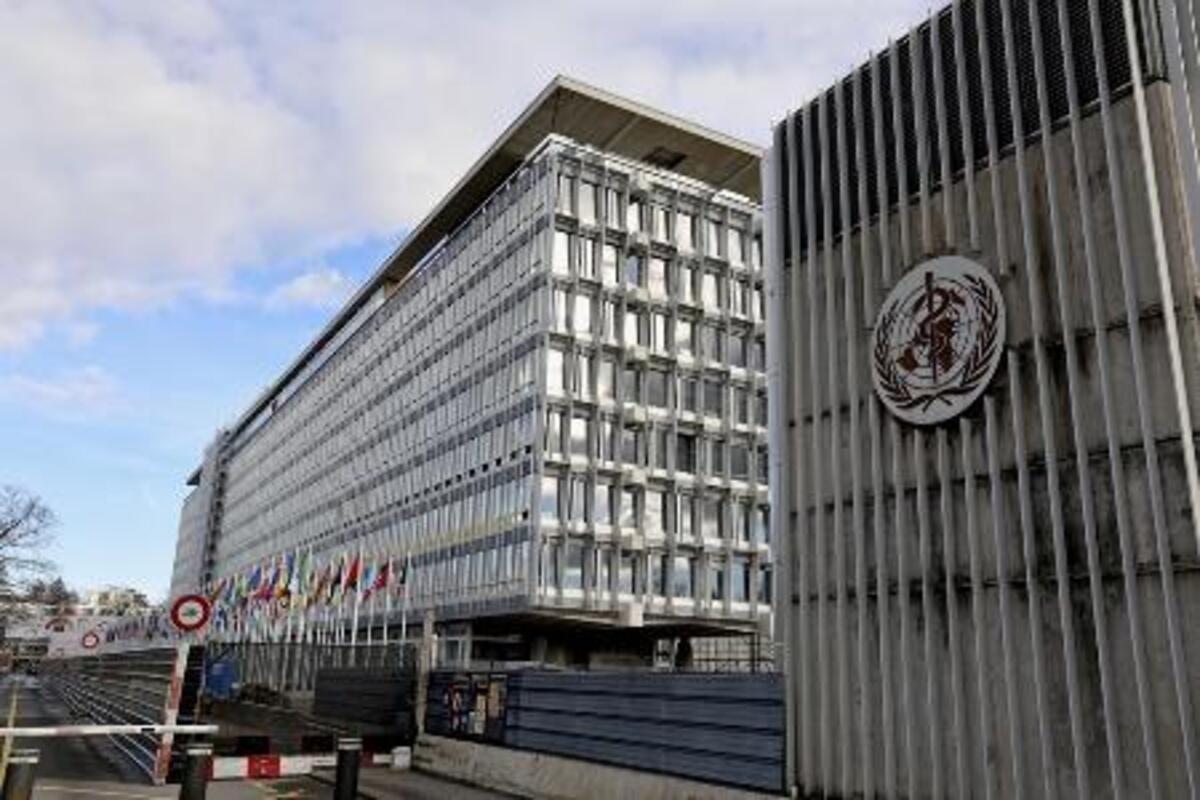
WHO本部(ジュネーブ)での発表によると、薬剤耐性菌の増加は世界的な公衆衛生上の大きな脅威となっており、効果的な治療選択肢の減少を招いています。

この状況を受け、専門家は抗生物質の適正使用や新たな治療法の開発、感染予防策の強化を強く呼びかけています。

詳細な内容は有料会員限定となっておりますが、7日間の無料トライアルも提供されていますので、関心のある方はぜひご利用ください。
https://www.nishinippon.co.jp/item/1410752/

The inner pandemic

We all remember the visible battle—the haunting quiet of empty streets; the muffled voices behind masks; the endless news updates counting lives and losses. During those long months, our mission as a nation was clear: protect our bodies, flatten the curve, and survive.

Pakistan, like many nations, showed remarkable courage. Our doctors, nurses, and volunteers worked tirelessly; communities rallied to support one another; and faith carried millions through uncertainty. But as the physical threat of Covid-19 faded, another quieter crisis emerged—one that affects minds, hearts, and communities. It is the crisis of mental and emotional well-being.

### The Hidden Crisis: Mental Health After Covid-19

The trauma of a health emergency does not vanish when the lockdowns end. Covid-19 was not only a medical or economic disaster; it was a deep psychological shock. Anxiety, grief, isolation, and exhaustion became part of everyday life.

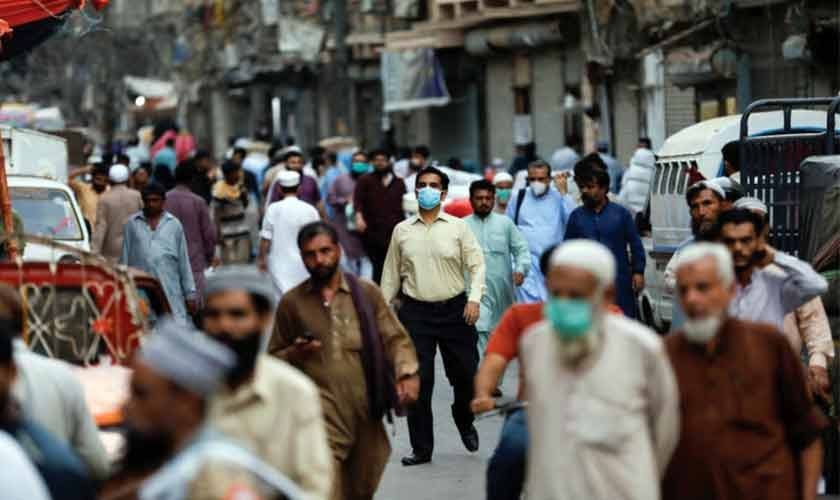
The traces remain visible across the country: in the mother in Lahore who still feels anxious in crowded places; in the university student in Karachi, Peshawar, Balochistan, and Gilgit Baltistan, struggling with concentration and mental fog. These are the unseen wounds of what experts call the shadow pandemic—a surge in mental health problems worldwide.

In Pakistan, where the topic of mental health has long carried stigma and silence, this invisible crisis poses one of the biggest public health challenges of our time.

### Why Crises Shake Our Inner World

Health emergencies like Covid-19 shake the psychological foundations of daily life. Several factors contribute:

– **Loss of Safety and Control:** Overnight, routines vanish. The sense of predictability—essential for mental stability—disappears, leaving behind anxiety and helplessness.

– **Disconnection:** Our culture thrives on social connections—gatherings, family visits, community prayers. Lockdowns disrupted these lifelines, breeding loneliness.

– **Distorted Mourning:** Thousands lost loved ones without proper goodbyes or funerals. The lack of closure left many with unresolved grief.

Covid-19 and other health emergencies made one truth undeniable: there is no health without mental health. Yet, mental health remains one of the most neglected sectors in Pakistan.

### The Mental Health Care Gap in Pakistan

We face an acute shortage of mental health professionals. Clinically qualified psychologists, counsellors, and psychiatric nurses are even fewer. This shortage means millions struggling with depression, anxiety, or trauma have little access to care.

During the pandemic, many suffered silently, unable to find or afford help.

### The Way Forward

Given this shortage, Pakistan cannot rely solely on specialist-based care. We need a shift—from an individual clinical model to a public mental health approach—where mental well-being becomes everyone’s responsibility, not just the psychiatrists’.

In this model, mental health is integrated into primary healthcare, schools, workplaces, and community networks. Frontline health workers, teachers, religious leaders, and social volunteers can be trained to identify distress early, provide psychological first aid, and refer people for help when needed.

This approach relies heavily on **task-shifting**: empowering non-specialists through structured training to deliver basic mental health support. The World Health Organization’s mhGAP programme and PM+ are good examples.

Pakistan must adapt such frameworks to its own culture and social realities. We need locally developed modules—in Urdu and regional languages—that reflect our values, beliefs, and community structures.

Training lady health workers, school teachers, and faith-based counsellors can bridge the massive treatment gap and bring mental healthcare closer to the people.

The trauma of a health emergency does not vanish when the lockdowns end. Covid-19 was not only a medical or economic disaster; it was a deep psychological shock. This public mental health strategy can become a cornerstone of Pakistan’s broader health preparedness.

It is practical, affordable, and sustainable—a way to protect minds as we protect bodies.

### A National Preparedness Plan for Mind and Body

As the world braces for future health emergencies—from viral outbreaks to climate-related disasters—Pakistan must build resilience not just in hospitals but also in hearts and minds.

A National Preparedness and Response Plan should include a strong mental health component, ensuring that psychosocial support is part of every health emergency. This means:

– Establishing mental health desks in hospitals and emergency centres.
– Training healthcare providers in psychological first aid.
– Including mock preparedness drills that test not only logistical readiness but also emotional resilience.
– Setting up community-based counselling and helplines during crises.

Preparedness is not only about ventilators and vaccines; it is also about equipping people to manage fear, loss, and uncertainty. Mock drills and proactive planning can reduce harm, strengthen resilience, and preserve the mental health fabric of our society.

### Pathways to Healing

Recovery is both a national and personal journey. Healing begins when we collectively acknowledge the emotional cost of crises and invest in our inner well-being.

– **Acknowledge to Heal:** Accepting that we are affected—anxious, sad, or drained—is not weakness; it is the first step towards recovery.
– **Rebuild Human Connection:** After years of distancing, rekindling relationships is vital. A kind word or shared meal can restore belonging.
– **Protect Your Mind:** Limit exposure to distressing media; prioritise rest; and spend time in nature or prayer.
– **Seek Help Without Shame:** Therapy and counselling should be seen as normal healthcare, not a stigma.
– **Community Care:** Schools, mosques, workplaces, and the media can all play roles in spreading awareness and reducing stigma.

### Lessons from the Pandemic

Covid-19 was a mirror that reflected our vulnerabilities—not only medical but emotional. It reminded us that true health is holistic, encompassing both the physical and the psychological.

As Pakistan rebuilds its economy and health systems, mental health must be at the centre of policy and planning. National campaigns should promote mental health literacy; schools should include emotional education; and every public health initiative should have a psychological well-being arm.

Most importantly, for policymakers: if we invest in mental health today, we will save lives—not only from suicide or depression but also from the ripple effects of future crises.

### Towards Resilience

True recovery from the pandemic will not only be measured in economic terms but in how we healed as a people—in our compassion, our calm, and our ability to face the next challenge with courage.

A nation’s resilience begins with the mental resilience of its citizens. When minds are strong, communities thrive; when emotional health is valued, societies prosper.

Let us remember: **there is no health without mental health.**

With good mental health, we can face—and overcome—any health crisis that comes our way.
https://www.thenews.com.pk/tns/detail/1350038-the-inner-pandemic