Tag Archives: lee

Ernie Johnson pays tribute to Lee Corso on GameDay: ‘Not so fast my friend’

Lee Corso said goodbye to ESPN’s College GameDay after 38 years earlier this season, but he hasn’t been forgotten.

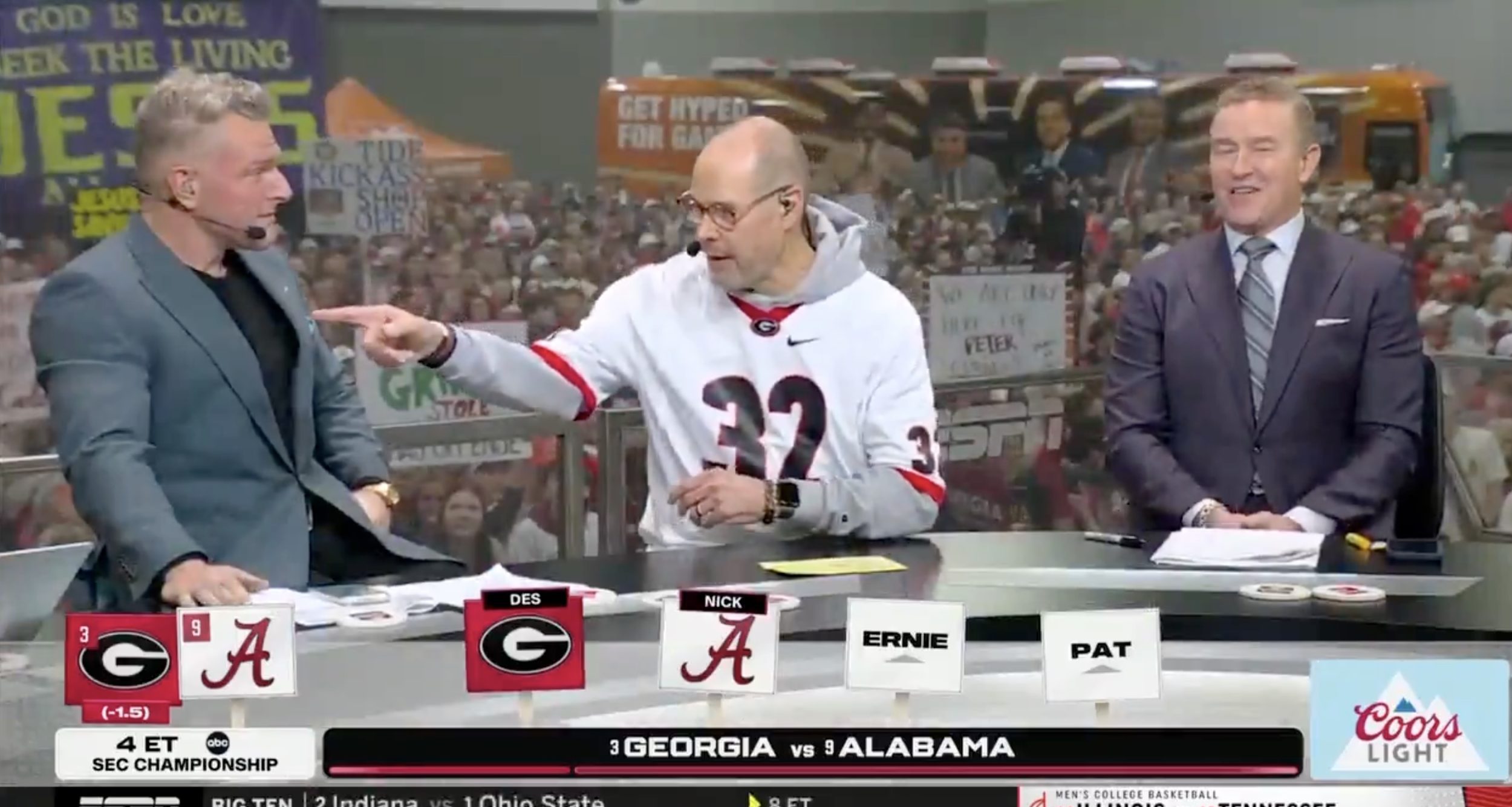
Inside the NBA host Ernie Johnson was the guest picker on Saturday’s edition of the show. As a Georgia alum, the decorated broadcaster was there to show support for his Bulldogs as they prepare to take on the Alabama Crimson Tide for the SEC Championship.

When the moment of truth arrived, Nick Saban picked Alabama to beat Georgia, to the surprise of no one. Following him was Johnson, decked out in Bulldogs gear. After pondering Saban’s prediction for a few moments, Johnson turned towards the legendary head coach and blurted out Corso’s iconic phrase, “Not so fast, my friend,” before picking Georgia to win.

Corso would often deploy the phrase in the same way, countering a prediction that differed from his, although he would also sometimes get tricky and reverse course with his prediction in the end. Such was the magic of Lee Corso.
https://awfulannouncing.com/espn/ernie-johnson-tribute-lee-corso-gameday-not-so-fast-my-friend.html

The Absolute Best J-Beauty and K-Beauty Shopping in Southern California, According to a Local Beauty Expert

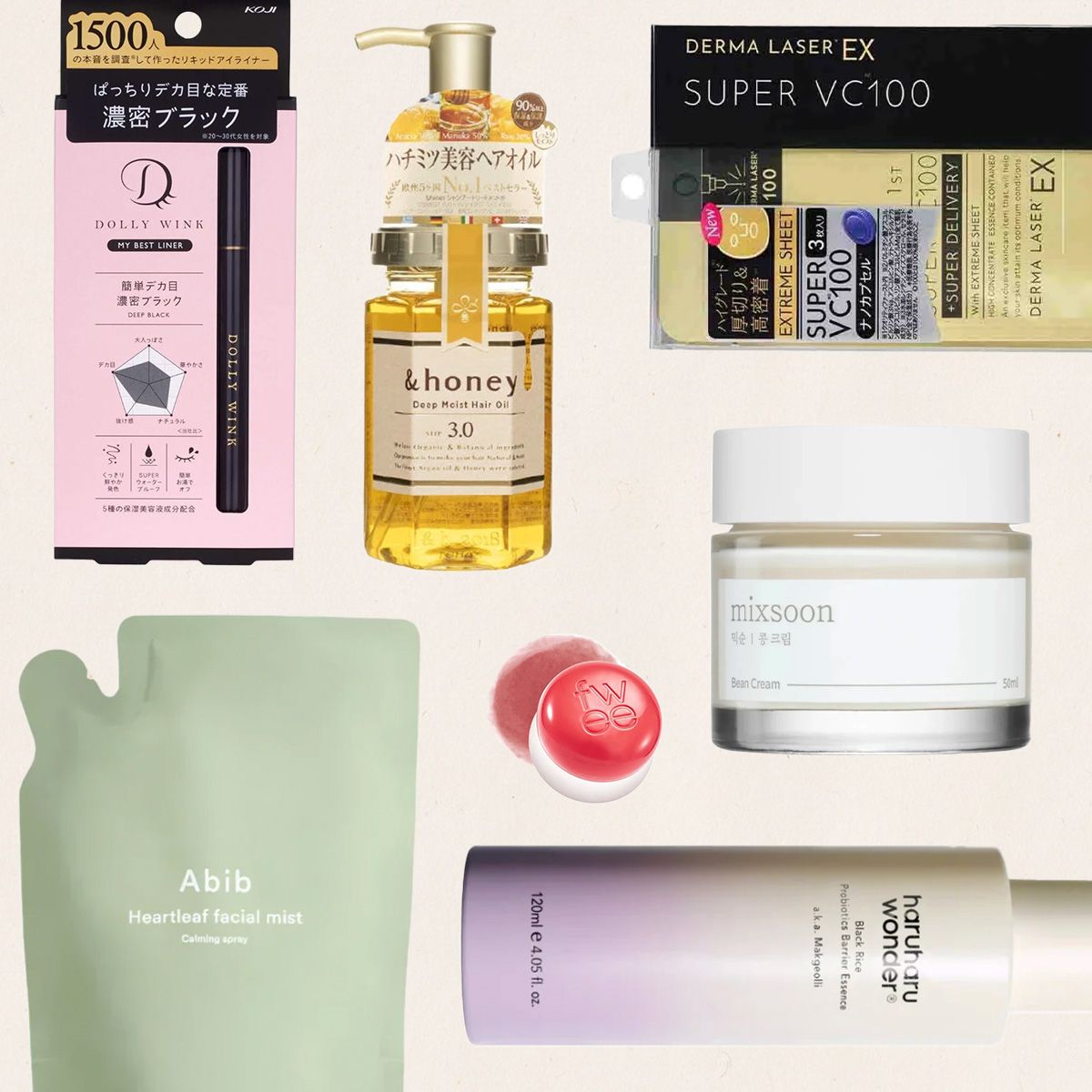
Vanessa Lee is a Who What Wear editor in residence, aesthetic nurse, certified face reader, and founder and CXO of The Things We Do. If you’ve ever found yourself lingering on TikTok skin videos or secretly wanting someone to just tell you which Asian beauty products are actually worth it, this is your moment. I’ve been deep in the world of K-beauty and J-beauty since 2010, long before it was trending, and growing up in Southern California (and living in Koreatown for years), I’ve learned exactly where the real gems are hiding. Some of these spots are classics I’ve loved for years, and others are newer buzzy boutiques that you absolutely have to visit. Together, they make the perfect little beauty adventure. Think of this as a fun beauty tour filled with the exact spots you’ll want to revisit again and again. And if you’re not a SoCal native, most of my favorite products are available to shop online. Keep scrolling for my top stops and shopping picks. FIRST STOP: THE 626-THE HEART OF J-BEAUTY & K-BEAUTY ON THE EASTSIDE The 626 has always felt like its own world, full of family-run shops, late-night eats, and beauty stores tucked between noodle houses and bakeries. I grew up coming here with my mom, wandering the aisles of 99 Ranch, always excited for the food, the treats, and the feeling that there was something new to discover. That same warmth and buzz still lives in the neighborhood today. It’s familiar and rich with culture, making it the perfect place to begin an Asian Beauty Crawl that feels both nostalgic and so much fun. Takashima: Your J-Beauty Immersion Address: 1330 South Fullerton Road #106-108, Rowland Heights, California 91748 Start at Takashima, a pure J-beauty boutique that feels like stepping directly into a beauty store in Tokyo. It can seem overwhelming because there is so much to discover, but take your time and don’t be shy to ask one of the beauty consultants to help! There is a large cosmetic area with a concentration on makeup as well as a vast skin-and-hair section. What to look for: eye shadows, J-beauty skincare masks, press-on nail art, and sunscreen Insider tip: The sunscreen wall is unmatched. Test textures before choosing! Shibuyala Black: Trendy, Sleek, and Highly Curated Address: 18495 Colima Road Unit 6, Rowland Heights, California 91748 Just minutes away, Shibuyala Black feels like the cooler, more editorial sister in the Shibuyala family. You’ll find the buzziest K-beauty toners and J-beauty sunscreens alongside products in-the-know girlies stash for themselves. Shopping here feels very trendy and insider. There are lots of beauty tools to choose from, ranging from basic to luxury, and there is even a personal massager area for women. A truly complete offering! What to look for: Lashes, mochi lip masks, hair products, and all of the beauty tools! Insider tip: The new-arrivals section is always worth checking first. PlayLab Beauty: Pasadena’s Clean, Chic Beauty Gallery Address: 25 North Fair Oaks Ave, Pasadena, California 91103 Before heading downtown, stop at PlayLab Beauty, a bright and beautifully organized boutique that makes shopping feel intuitive and soothing. Everything is arranged by step, making it ideal for both beginners and seasoned skincare lovers who want to refine their routines. What to look for: Most of the products are so great for sensitive skin that needs clearing, but they also carry feminine-care products! Insider tip: Ask for help building a starter routine. The team is very thoughtful and experienced. NEXT STOP: THE 213-LITTLE TOKYO & KOREATOWN The 213 is where L. A.’s diversity really shines with enclaves like Little Tokyo and Koreatown buzzing with cafés, beauty shops, and markets that feel straight out of Seoul or Tokyo. I spent much of my college and post-college years here, soaking up its energy and constant sense of discovery. It’s full of hidden gems and the perfect next stop on an Asian Beauty Crawl. JS K Beauty: Little Tokyo’s Hidden Skincare Gem Address: 333 South Alameda Street, Los Angeles, California 90013 (Inside Little Tokyo Market Place) Your first downtown stop is JS K Beauty, a compact but well-stocked store filled with affordable and iconic J- and K-beauty favorites. It’s a perfect place to grab daily essentials and explore gentle, effective formulas. What to look for: Haruharu toners, Mediheal masks, Kosé cleansing oils Insider tip: The sheet-mask aisle is worth the trip alone. Shibuyala Koreatown: The Trendy Hybrid Stop Address: 3465 West 6th Street, Suite 180, Los Angeles, California 90020 The Koreatown Shibuyala location blends the sleek aesthetic of the 626 shop with K-town’s energy and fast-moving beauty trends. Expect a fresh mix of Japanese classics and Korean innovations. What to look for: Anua toners, Shiseido Perfect Whip, Etude House tints, Dynasty Cream Insider tip: This store gets new imports quickly, so always check the display at the entrance. SM Korea Beauty: The K-Beauty Playground Address: 3300 West 6th Street, Los Angeles, California 90020 End your crawl at SM Korea Beauty, a bright, colorful beauty boutique that feels like a mini department store in Seoul. It’s full of premium skincare, trendy formulas, and rows of sheet masks that could keep you stocked all year. What to look for: History of Whoo, O Hui, Round Lab SPFs, Abib sheet masks Insider tip: Weekdays are calmer and easier for browsing. My Asian Beauty Edit: 10 Shoppable Favorites I Love, Use, and Genuinely Recommend.
https://www.whowhatwear.com/beauty/best-southern-california-japanese-and-korean-beauty-shops

Meet the ‘King of K-pop’: This U.S.-educated computer engineer pioneered music industry practices that fueled the genre’s global expansion

He was discussing the title of Amazon Prime’s documentary about his career. The producers insisted the bolder moniker would resonate better with American audiences. After some back-and-forth, Lee relented. “I had to follow their decision.” The compromise speaks to Lee’s pragmatic approach to breaking South Korean acts into the American mainstream—a three-decade quest that often required him to bend but never break his vision.

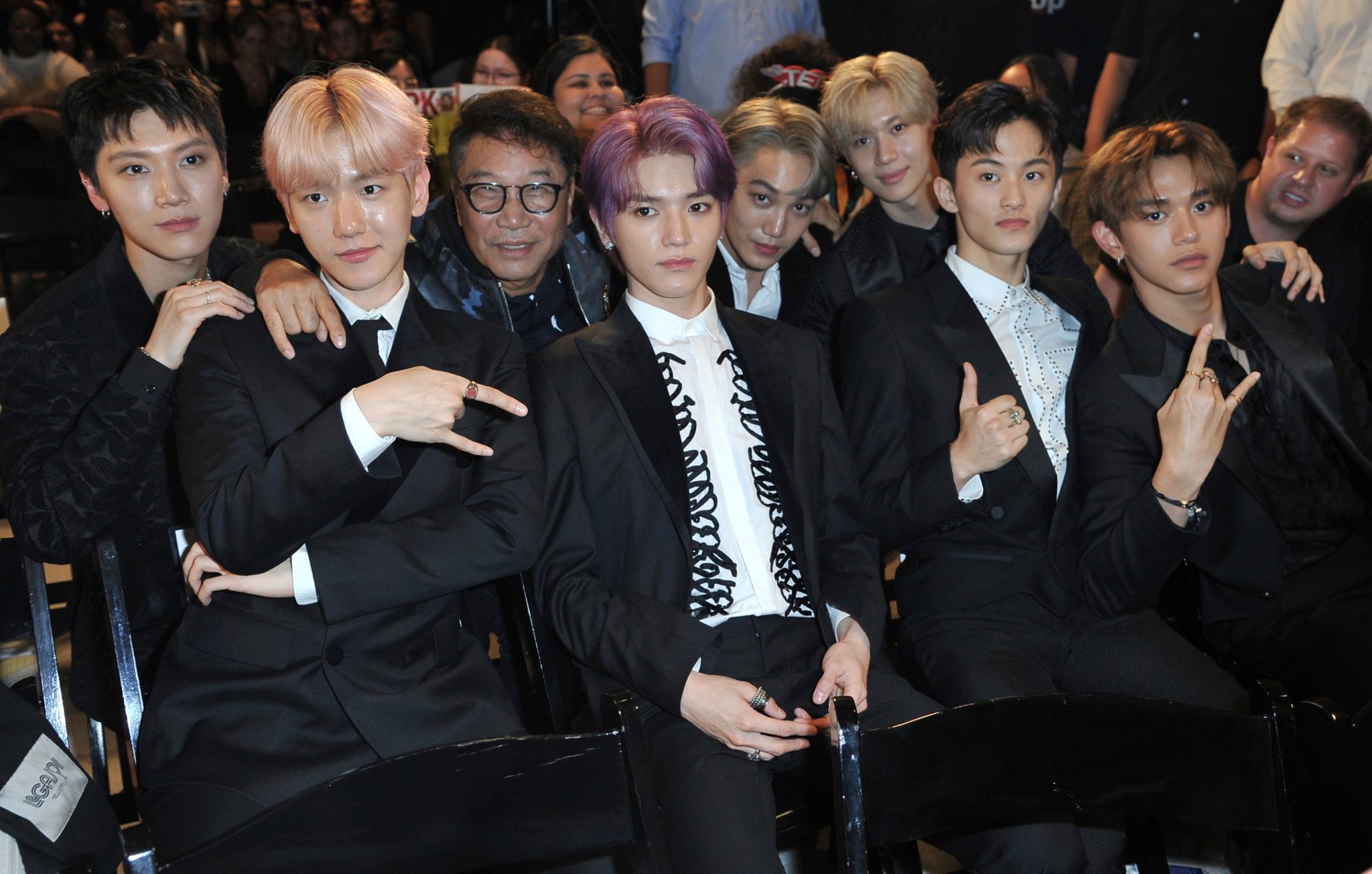
Now, as the founder of SM Entertainment and widely credited as the architect of K-pop’s global expansion, Lee will be inducted into the Asian Hall of Fame on Saturday alongside basketball legend Yao Ming, Olympic figure skater Michelle Kwan, and rock icon Yoshiki, among others.

Lee remains a prominent but controversial figure in K-pop history. His label pioneered the industry’s intensive training system, recruiting performers as young as elementary school age and putting them through years of rigorous preparation. Some of his artists have challenged their contracts as unfair, sparking broader debates about industry practices.

The recognition arrives as Lee reemerges into the spotlight after a contentious, high-profile departure from the agency he founded in 1995—a management battle that included a public feud with his nephew-in-law and a bidding war over his shares.

He’s been keeping busy since, debuting a new band, A2O MAY, in both China and the U.S. He’s also investing in a boutique Chinese firm’s high-tech production technologies.

Born in South Korea, Lee studied computer engineering in the U.S. for his master’s degree. That technical background would later inform his approach to everything from visualization and cutting-edge production technologies—he said he’s been rewatching *The Matrix* to revisit filming techniques—to pioneering elaborate “worldviews” and virtual avatars for his K-pop bands.

For Lee, the Hall of Fame honor “confirms that K-pop has become a genre that the mainstream is now paying attention to,” an acceptance that came after costly lessons and years of trial and error.

### When America Wasn’t Ready for K-pop

Lee invested about $5 million in BoA’s 2009 American debut with “Eat You Up,” one of the first songs by a South Korean artist to be primarily written and produced by Western producers. It was a bold early attempt to bring K-pop into the U.S. mainstream.

But with few widely recognized Asian artists in American pop culture at the time, the market wasn’t ready. After nearly two years, BoA—already a megastar in Korea and Japan—decided to return home. The experience, Lee has said, left him with lasting regrets.

“When I asked the songwriter(s) to revise ‘Eat You Up,’ they refused,” Lee recalled. “If we had changed it, I believe it would have achieved much better results.”

### Sourcing the World’s Best Songs for K-pop

That setback taught Lee that K-pop needed to source global talent while maintaining creative control to adapt songs for the worldwide market. His quest for the perfect tracks took him worldwide.

“I once heard a song that was so good I couldn’t let it go,” he said, recalling the track that would later become “Dreams Come True” for S.E.S., the late-1990s girl group. “I could’ve bought the license to the song in South Korea, Hong Kong, or Sweden. But I wanted to play it safe, so I found the Finnish address, went to meet the songwriter directly, wrote up a contract, and brought it back.”

At the time, top Western songwriters prioritized Japan, the world’s second-largest music market. “European songwriters were willing to sell to Asia,” Lee explained. “That’s how we eventually built a system where music from Europe, Asia, and America could come together.”

### Fictional Universes that Keep Fans Hooked

That fusion became K-pop’s signature. Lee also helped to pioneer another innovation: elaborate fictional universes, or “worldviews,” for groups like EXO and aespa—a storytelling approach that would later be adopted across the industry, including by groups like BTS.

The concept emerged during his time in the U.S., where he witnessed MTV transform music into a visual medium.

“But we only have three or four minutes,” he said. “How do we express dramatic, cinematic elements in such a short time?”

Lee’s solution was to create ongoing narratives that unfold across multiple music videos and releases—think Marvel’s cinematic universe, but for pop groups. Unable to attract established screenwriters, Lee developed the storylines himself.

The strategy proved prescient: These interconnected narratives give global fans reason to follow groups across comebacks, waiting for the next chapter in an unfolding saga.

### Focused on Asia’s Potential

Despite K-pop’s global success, Lee remains focused on Asia’s potential. He envisions South Korea as a creative hub where international talent learns production.

“Korea should become the country of producers,” he said.

With the Asia-Pacific region home to more than half the world’s population, he sees it as entertainment’s inevitable future center. His latest venture with A2O MAY, which operates in both China and the U.S., is testing that vision in one of Asia’s most challenging markets.

China’s entertainment landscape has grown increasingly restrictive, with Beijing recently cracking down on “effeminate” male celebrities and youth culture. Asked about potential political risks, Lee dismissed concerns.

“Political risk? I don’t really know much about that,” he said. He said he aims to elevate South Korea’s cultural influence as a center of production while meeting China’s needs as it seeks to expand its soft power alongside economic dominance.

“Culturally, does China need what we do? I believe they do.”

### Addressing K-pop’s Darker Aspects

The documentary also addressed darker aspects of K-pop close to Lee’s heart, including the suicides of SM Entertainment artists. He traces the problem to anonymous and malicious online comments that often evade accountability, especially when posted on servers outside South Korea’s jurisdiction—calling it a global issue requiring international cooperation.

Lee advocates for worldwide standards on user verification and mediation systems where victims could identify attackers without expensive legal battles.

But Lee resists the media’s focus on K-pop’s problems.

“Should we always weigh the dark side equally with the bright side, the future?” he asked. “Media should consider whether K-pop represents more future or more past that holds us back. Rather than just discussing the dark side and dragging us down by clinging to the past, shouldn’t we talk more about the future?”

After more than three decades, Lee’s definition remains straightforward: “K-pop is a new language of communication that transcends barriers. These languages move around naturally—what you can’t stop is culture.”
https://fortune.com/2025/11/02/king-of-kpop-lee-soo-man-sm-entertainment-korea-music-industry/