With the year closing out soon enough, it’s been a crazy ride—from clubhouse Game of the Year contenders to generational flops from billionaire companies. I’ve seen it all unfold before my very eyes, but if you told me I’d be closing out this year of gaming by dispatching a ragtag group of misfits led by a character played by Aaron Paul, I’d have looked at you bewildered.
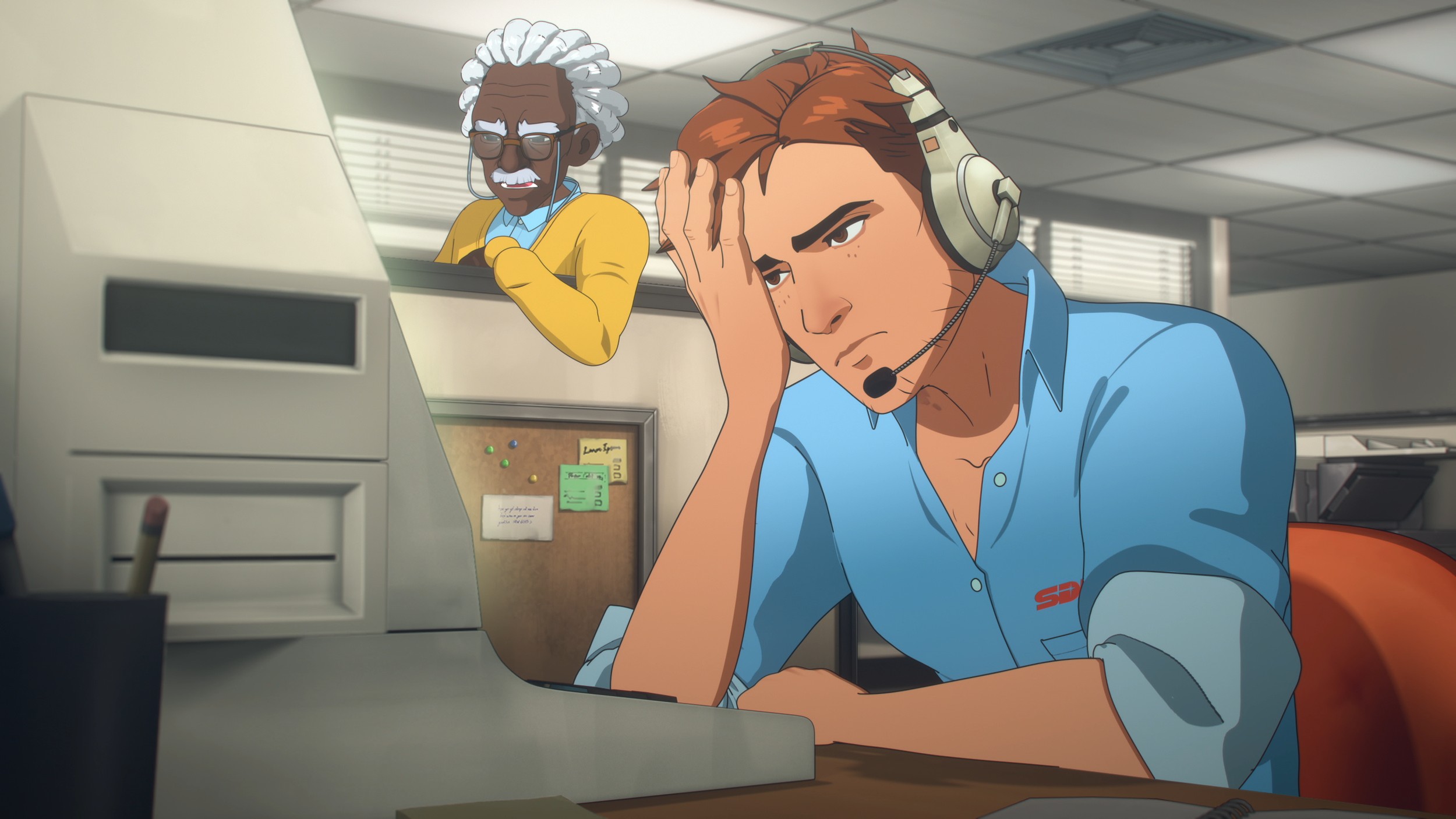
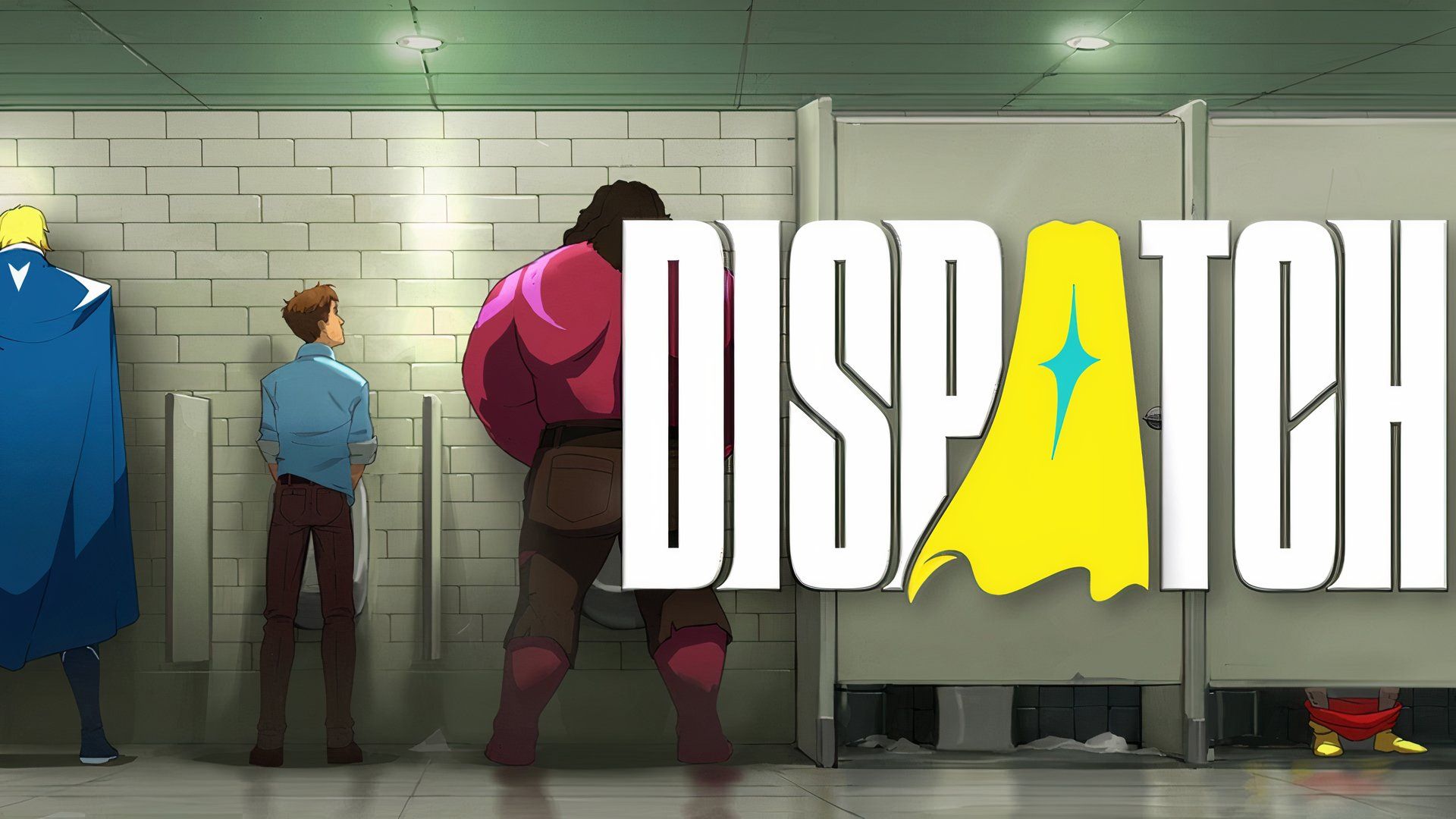
**Dispatch** is an interactive narrative title from AdHoc Studio, founded by several veterans previously under the umbrellas of Telltale and Ubisoft. It’s a game that strips away the goody two-shoes traits of the traditional superhero genre. Instead of playing a hero, you work as a dispatcher at a company that enrolls supervillains into, well, “civilized” superheroes under their Phoenix Program, sending them on odd jobs and heroic saves.
However, here at SDN (Superhero Dispatch Network), you’ll find the exact opposite — multiple HR violations as you guide the infamous Z-team towards improvement. They’re the baddest of the bunch, and with eight episodes in total, it’s a hilarious and charming adventure to say the least.
So join me in this review as I tell you how AdHoc has created its very own eccentric cast of characters — and why I’m willing to do anything to stay alive until I see more of them in a (potential) future season.
—
### First Day in Hell
After getting his Mecha Man armor suit busted and narrowly escaping death, a powerless Robert Robertson finds himself at the lowest point in his life. Then, the fabulous Blonde Blazer offers him a job at the Superhero Dispatch Network. He joins on the condition that his armor gets repaired, but this new “desk job” at SDN won’t be a walk in the park.
Robert’s job? Manage a wild group of supposed supervillain-turned-heroes, known as the Z-team, as they carry out day-to-day tasks—from averting calamities to saving neighborhood cats. Just the usual for SDN’s subscribers.
The Z-team consists of every HR department’s worst nightmare—the kind of people you wouldn’t want to deal with on your first day at work. Unlike the usual Telltale format we all love, *Dispatch* opts for a Sunday cartoon animation style. If you’re familiar with the *Invincible* comic or TV series, you’ll know exactly what to expect from the game’s art and writing.
At the heart of it all is Robert. You control most of his choices and actions, helping shape the penultimate finale in the last episode. While relationships matter little here, a few characters will pivot based on major choices in each episode.
The Z-team never makes it easy. The chaotic first day had me unsure if improvement was even possible. Can you truly fix them or tip these dastardly misfits towards the positive side? Regardless, Robert’s cliché words of encouragement often surprisingly sway the team. Though you’ll notice familiar chess-like notifications telling you which characters remember your choices, these have limited impact beyond a few integral characters.
And hey, don’t let me stop you from trying to snag a kiss from Blonde Blazer on your first day together. Let your crazy inner voice win.
—
### Become the Master Dispatcher
With eight episodes to play, the main gameplay revolves around managing radio communications for the Z-team over two shifts. You select and dispatch a single hero or a team to complete various timed jobs and missions. Sounds straightforward, right? That’s what our friendly do-gooder Phenomaman implies during the tutorial dispatch.
But there’s more here than meets the eye. Each mission requires you to actively evaluate your units’ stats and decide which hero or team will have the best chance of success on each distress call. This nuanced gameplay makes quick decision-making all the more rewarding.
Each hero has five attributes: Combat, Vigor, Mobility, Charisma, and Intellect. These stats correspond to different job requirements, described with highlighted flavor text. It might seem cryptic at first, and I get the frustration if the descriptions don’t perfectly match your expectations, but you’ll get the hang of it quickly.
Each attribute has 10 tiers, so you’ll need to carefully consider how many points from each attribute you require to complete missions—or at least improve your odds. If you enjoy living on the edge like me, those rare moments when RNG favors you on a 50-50 mission outcome definitely hit the dopamine receptors.
Don’t let this intimidate you. The game includes several accessibility options to streamline gameplay—such as leveling up heroes, forming synergy pairs, and unlocking new powers.
There are hidden synergy pairs for some characters. Sending these pairs together raises the success rate for jobs, and the more you deploy them as a duo, the higher their synergy potency levels. Leveling up heroes lets you allocate upgrade points to desired stats.
The game balances everything so naturally that pacing rarely feels rushed or unanticipated. Plus, these gameplay elements encourage mixing and matching on secondary playthroughs to try powers and team synergies you didn’t explore the first time around.
—
### From Outcasts to BFFs
First off, I must extend a huge round of applause to the voice cast—including surprising cameos by YouTubers Jacksepticeye, MoistCritikal, and the Critical Role cast. Their performances bring the eccentric personalities to life, building on AdHoc’s outstanding writing.
The Z-team are every HR department’s nightmare: despicable outcasts, ex-cons (some imprisoned by Robert himself), and the baddest bunch Torrance has to offer. But as tough as they appear, you slowly warm up to them.
These ragtag rascals become an endearing part of Robert’s world. Here are some standouts:
– **Flambae** — hot-headed and savvy, often clashing with Robert.
– **Invisigal** — rebellious and resentful of playing by the book.
– **Sonar & Malevola** — a half-man, half-bat buddy duo and a mighty demonic musclebound figure.
– **Coupe** — the quiet former assassin.
– **Prism** — bedazzling yet cocky.
– **Punch-Up** — a no-nonsense brawler who packs a serious punch.
– **Golem** — a chill mud monster who just wants a peaceful life (my spirit animal).
Each character adds unique flavor every time they appear, especially during dispatch tasks where their daily mundanity shines through, enriching their personalities episode by episode.
There’s plenty of witty banter, gags, and backtalk spilled with every interaction. The game doesn’t shy from chaos either — a pivotal barfight scene shows just how unhinged the Z-team can get with no restraints.
That’s the beauty of it. These characters grow on you, making critical decisions involving them your most conflicted moments in the game. And for the classic debate — romancing Invisigal or Blonde Blazer — I’ll leave that choice to you.
—
### The Power of Friendship & Tomfoolery
Comedy is subjective, so while *Dispatch* features plenty of swearing and over-the-top wit, I think it strikes a fine balance. The writing flows naturally, with hardly a fault or pacing issue to complain about.
Towards the later chapters, the game leans into a curtain-call finale against the villain Shroud. While this felt somewhat forced, it wasn’t immersion-breaking.
*Dispatch* isn’t designed as a sprawling series with branching storylines or deeply fleshed-out character arcs. Instead, it tells a singular, focused story—a direction that lets you enjoy the ride without worrying about every detail.
Some choice-based moments are straightforward, while others challenge your moral compass as though the fate of the world depends on them. This range is exactly what you want from an interactive narrative of this caliber.
When your team faces impossible odds in a final stand, the game doesn’t hold back. And just when you think all hope is lost, a chance to ragebait the main villain with a backhanded action arises—a moment so perfectly executed I found myself raising my arms like a cinematic maestro.
Experiencing this game’s unfiltered writing is perhaps the best way to close out your gaming year.
—
### Final Thoughts
*Dispatch* is absolute cinema—literally and figuratively. AdHoc has crafted a delightful workplace comedy superhero narrative featuring a strong cast of well-written, eccentric characters that make you eager to reunite with them like long-distance best friends.
The gameplay may be slightly tricky to grasp at first but evolves into a hyper-engaging burst of time-based unit management. Each hero is lovable enough on their own, so you don’t need lengthy backstories for context.
With writing that strongly emphasizes character relationships and witty banter, *Dispatch* delivers one of the most cathartic video game experiences I’ve had all year. I’m genuinely grateful for every minute spent with Robert and his crazy crew, and I’m eager to support AdHoc in hopes they continue this charming story with another season of these whimsical goofballs.
https://www.dualshockers.com/dispatch-game-review/