Investor Interest in Ozak AI Surges as Presale Nears $5M — Market Analysts Forecast Strong 2026 Performance

**Ozak AI Presale Nears $5 Million as Investor Demand Strengthens**

Ozak AI is quickly becoming one of the most talked-about presale tokens of the quarter, with its presale amount nearing $5 million. The project has sparked significant investor confidence by combining cutting-edge Web3 infrastructure, including DePIN, AI intelligence tools, and tokenized growth.

To help users make better investing decisions, Ozak AI plans to offer automated trading insights and real-time market intelligence. Market analysts suggest that Ozak AI could be well-positioned for substantial growth by 2026, as demand for AI-driven cryptocurrency platforms continues to rise.

### Presale Progress and Token Details

The Z token launched its presale earlier this year and is currently in Phase 7, with each token priced at $0.014. So far, the project has raised over $4.56 million and sold more than 1 billion tokens, inching toward the $5 million mark.

Given this momentum, the team plans to increase the token price once again at listing. The target price is $1 per token, which would represent a stunning rally of over 7,000% from the current presale price and an incredible 99,900% increase from the initial $0.001 phase.

A significant factor driving demand is token scarcity: only 30% of the total 10 billion Z token supply is allocated for presale fundraising. This limited availability has attracted early participants eager to capitalize on the project’s growth potential.

### Z Token Utility: Powering the Ozak AI Ecosystem

The Z token serves as the primary utility token within the Ozak AI ecosystem, granting users access to exclusive intelligence tools equipped with automated trading features and premium data streams.

Token holders can contribute processing power to the platform’s DePIN infrastructure and stake their Z tokens to earn rewards. Additionally, users can create custom Prediction Agents (PAs), share their insights, and generate passive income in Z tokens.

Higher-tier holders benefit from fee discounts, making the platform more efficient and rewarding for the community.

### Strategic Partnerships Strengthen Market Position

Ozak AI has developed multiple strategic partnerships to enhance its technology and ecosystem growth ahead of 2026:

– **Meganet:** Collaboration with Meganet’s node network to improve distributed computing and accelerate data processing.
– **Phala:** Integration of Phala’s full CPU-GPU-TEE stack for more secure AI workflows and shared developer tools.
– **Mira:** Partnership to implement trustless verification systems, boosting AI reliability.
– **Celo:** Cooperation to simplify on-chain payments for AI tools.
– **Dex3:** Joint efforts for advanced market forecasting and automated trading strategies.

These alliances position Ozak AI at the forefront of innovation in AI-powered blockchain platforms.

### Conclusion

With its presale rapidly approaching $5 million and partnerships continuing to grow, Ozak AI is gaining increasing trust from investors. Early participants in the current phase could potentially see returns of up to 8,233% if the token reaches its $1 target price.

As the project builds momentum moving into 2026, Ozak AI is poised to become a major player in the convergence of AI, Web3, and decentralized finance.

### For More Information About Ozak AI, Visit the Links Below:

– **Website:** [Insert Website URL]
– **Twitter/X:** [Insert Twitter/X URL]
– **Telegram:** [Insert Telegram URL]

*Youtube embed: Ozak AI Z Token: Crypto Whales Predict and Compare it with Ripple (XRP)*
https://bitcoinethereumnews.com/tech/investor-interest-in-ozak-ai-surges-as-presale-nears-5m-market-analysts-forecast-strong-2026-performance/

Judge to Approve Purdue Pharma Bankruptcy, Releasing Billions for Opioid Plaintiffs

Under the plan, the company will dissolve, bringing an end to its operations.

Its owners, members of the Sackler family, have agreed to pay as much as $7 billion from their personal fortune. These funds will be distributed to states, localities, tribes, and others harmed by the opioid crisis.

This settlement aims to provide financial relief and support to communities and individuals impacted by the opioid epidemic.
https://www.nytimes.com/2025/11/14/health/purdue-sacklers-settlement.html

‘Zombieland 3’ In 2029? Ruben Fleischer Talks Threequel Hopes, Turning Down A ‘Mission: Impossible’ Movie, Lessons From Tom Rothman & Mike White And More — Career Retrospective Q&A

After stepping in as director on *Now You See Me: Now You Don’t*, the third installment in the Lionsgate magician heist franchise starring Jesse Eisenberg and Woody Harrelson, Ruben Fleischer is ready to get his own franchise to a threequel with *Zombieland 3* in 2029.

Launching his career with the original 2009 horror comedy *Zombieland*—starring Eisenberg, Harrelson, Emma Stone, and Abigail Breslin—which was a huge hit for a debut filmmaker at a worldwide gross exceeding $102 million, Fleischer earlier this week looked back at the film for the first time since hatching *Zombieland: Double Tap*, the sequel released in 2019, which pulled in over $122 million globally.

The revelation of his sincere ambition to make a third film in the series was one of many insights shared during a career retrospective on Wednesday at the Los Feliz 3, arranged by the American Cinematheque. There, Fleischer talked about, among other things, his desire to tackle something much more grounded than the studio tentpoles for which he’s known—*Gangster Squad*, *Venom*, and *Uncharted*, among them.

### Early Career: From PA to Director

In our conversation, Fleischer discusses getting his start in the industry as a production assistant (PA), through The White Lotus’ Mike White, working on projects like *Dawson’s Creek* and the Sundance hit *Chuck & Buck*. He also talks about his early work on *Jimmy Kimmel Live!* and *Between Two Ferns*, going from $47,000 in debt as a director of music videos and commercials to becoming the talk of the town with his first feature, and how he wound up turning down a *Mission: Impossible* movie as his sophomore feature.

**DEADLINE:** Can you talk about how you came to commit to filmmaking as a career? I know that for you, this came after college, after studying history at Wesleyan University, and working for a period as a freelance HTML programmer in San Francisco.

**RUBEN FLEISCHER:** I moved out to L.A. not exactly knowing what I wanted to do. I was working on this website thing; about three months after I moved down here, it folded, so I was broke and needed a job. I knew Mike White, who plays the gas station attendant in *Zombieland*, through a Wesleyan connection.

**DEADLINE:** Well before Mike White hit the peak of his fame with *The White Lotus*.

**FLEISCHER:** This was *Dawson’s Creek*-era Mike White, so he got me a job as a PA in the writer’s office of *Dawson’s Creek*. This was pre-email, so I had to copy the scripts, and then I would drive them around to distribute every new draft, whether it was to the studio in Culver City or to Warner Bros. Then, at night, I’d drive around with a Thomas Guide to all the executives’ houses to deliver the scripts and get lunches and that kind of fun stuff.

At the end of that season, Mike went on to make this movie called *Chuck & Buck*, and I got a job as the assistant to the director, Miguel Arteta, on this $200,000 feature film shot on a video camera. I did pretty much everything—I was the guy who clapped the clapperboard, helped scout locations, got coffee, even did laundry at a laundromat. I was like a pig in sh*t because I was just so happy to be on a film set. I had no direct ambition to be a director back then, but I was thrilled to watch something being made, even though it was shot in four weeks for no money.

That experience was the best film school I could’ve had because it made it seem like anything was possible—the tools were all available, and the crew was incredibly small.

My big aspiration after that was to be a television executive, so I worked at DreamWorks TV for a year as an assistant. I quickly realized I did not want to be a television executive. Then Miguel and Mike made *The Good Girl*, and I became Miguel’s assistant again, though the union rules meant I couldn’t do as much as before. It was there I really got to watch Miguel make a movie and saw what a great mentor he was. He included me in the process, and it just seemed like the coolest job possible.

After that, I set my sights on making short films and music videos, teaching myself how to direct.

### Lessons from Early Mentors

**DEADLINE:** Were there specific lessons you took from your time with Mike and Miguel?

**FLEISCHER:** It was more the spirit of collaboration and the creative process. Miguel was really inclusive, and there was this network of people working together on those films. I learned that if you surround yourself with really talented people all committed to the same vision, you can make something pretty cool.

### Cinematic Inspirations

**DEADLINE:** What were the big cinematic inspirations for you growing up? How did you conceptualize early on who you wanted to be as a filmmaker?

**FLEISCHER:** I think I’m still figuring that one out. But as far as touchstones go, I love all the ’80s classics like *Star Wars*, *Back to the Future*, and Tim Burton’s *Batman*. I also liked more indie films from the ’90s—Coen Brothers, Jim Jarmusch, Alexander Payne, Spike Jonze, David O. Russell, and Quentin Tarantino. So it was a mix of mainstream Hollywood blockbusters and indie films.

### Music Videos and Commercial Work

**DEADLINE:** Talk about your early experiences in commercials and music videos. Was there a project you remember being particularly artistically satisfying?

**FLEISCHER:** I was artistically satisfied with pretty much all my music videos. Commercials were harder to feel that way about. I was a real student of music videos—Spike Jonze, Michel Gondry, Mark Romanek, Chris Cunningham—I was obsessed. I started off making videos for $50 for my friends’ bands and built my reel that way, pre-YouTube, by putting videos on a website and emailing links around. That helped me grow my career.

### Setbacks and Breakthroughs

**DEADLINE:** What were some of the big setbacks as a young filmmaker?

**FLEISCHER:** Financial pressure was the hardest. I wasn’t making money doing videos, and any budget I got usually went back into the video. At one point, I was $47,000 in debt, transferring balances across credit cards. I was despondent and unsure if directing was the right choice.

Then, I made a video that went viral before that was really a thing. It spread worldwide and led to contracts with production companies in London, allowing me to start getting paid to make stuff.

**DEADLINE:** What was that viral video?

**FLEISCHER:** It was “We Know Something You Don’t Know” by DJ Format, a British rapper. The rappers weren’t available, so I made the video without them. I rented mascot costumes—turtles, sharks, tigers—and found breakdancers on Craigslist to perform. People loved watching breakdancing turtles.

### Late-Night TV and Comedy Collaborations

**DEADLINE:** You directed bits for *Jimmy Kimmel Live!*. What was that experience like?

**FLEISCHER:** I did it off and on for almost three years, directing first-act bits with Uncle Frank and Guillermo. It was early in Jimmy’s run, around the second season. I grew up loving Letterman, so being part of a network late-night show was exciting and educational.

**DEADLINE:** You also worked with Zach Galifianakis on *Between Two Ferns*.

**FLEISCHER:** Yes, I directed for Zach’s short-lived VH1 show *Late World with Zach*—my first real TV directing gig before Kimmel. Then I worked on a pilot with Scott Aukerman where *Between Two Ferns* was a segment. The pilot didn’t go, but we put *Between Two Ferns* online on Funny or Die, and it blew up. I directed the first episode with Michael Cera and the second with Jimmy Kimmel.

### Breaking Through with *Zombieland*

**DEADLINE:** Take us back to booking your first studio feature, *Zombieland*. How did you apply your skills from short-form work?

**FLEISCHER:** One of my strengths is that I don’t overthink—I just barrel ahead. For *Zombieland*, that meant bringing true enthusiasm and pouring everything I’d learned into the project.

I was very upfront about what I didn’t know—I’d never directed action before, never used guns. The short that landed me the job was a $15,000 comedy short with a comedian and a lobster. I had no right to direct a movie like this.

But my 1st assistant director, the director of photography, and Woody Harrelson were all patient and supportive. The director’s role is pointing people in the right direction; the crew supports you.

The budget was $21 million—modest by today’s standards. The production value was high, though; the set design was incredible, like putting in seven miles of string lights at the amusement park.

The very first scene I shot was with Amber Heard in an apartment, and then we shot the action-packed ending first. It was crazy, but it all came together, and watching it now, I’m pretty impressed considering I truly had no idea what I was doing.

### Working with Jesse Eisenberg and Woody Harrelson

**DEADLINE:** You’ve worked with Eisenberg and Harrelson multiple times. Any stories from *Zombieland* illustrating your dynamic with them?

**FLEISCHER:** Casting Woody came first. He had four conditions: environmentally conscious set, input on the DP, choice over his co-star, and I had to be vegan for a week.

During chemistry reads, three actors met with Woody, but Jesse was clearly the right fit. Jesse and Woody have real-life chemistry similar to their characters: Woody is a free spirit, Jesse a neurotic New York Jewish guy.

They respect each other artistically—Woody is knowledgeable about theater, Jesse writes plays—and they make each other laugh a lot. I feel lucky to have worked with both on *Now You See Me*, the fourth film we’ve collaborated on.

### Turning Down *Mission: Impossible*

**DEADLINE:** After *Zombieland*’s success, you were offered a *Mission: Impossible* movie but turned it down. Why?

**FLEISCHER:** It was surreal meeting Tom Cruise and J.J. Abrams. Tom was eager to work with me, but I felt it was too big and overwhelming so early in my career.

Instead, I chose to make *30 Minutes or Less* with Jesse Eisenberg, a modest action-comedy. I loved the script and was obsessed with Danny McBride, who fit the role perfectly.

That movie bombed at the box office and received poor reviews, which was a tough learning experience. Afterward came *Gangster Squad*, a much bigger movie with a significant cast, and I learned even more there.

### Lessons from Failure and Success

**DEADLINE:** How do you reflect on setbacks?

**FLEISCHER:** You have to treat them as learning lessons—there’s no going back.

What made *Zombieland* successful was its clear tone. *Gangster Squad* struggled with tone confusion.

For *Now You See Me*, my North Star was “it has to be fun.” If the audience walks away feeling that, I’m happy.

### Big-Budget Studio Movies and Collaboration

**DEADLINE:** How did you adjust to large-scale studio productions like *Gangster Squad*, *Venom*, and *Uncharted*?

**FLEISCHER:** The challenges remain the same—finding locations, scripts, casting—just on a bigger scale.

Communication is key: clarifying your vision and surrounding yourself with talented collaborators who trust you makes all the difference.

I love filmmaking as a collaborative art. From pre-production through post-production, many people contribute, most of whom never meet each other. As director (and producer), I’m the constant through all those phases.

### Navigating Studio Notes

**DEADLINE:** How do you handle studio notes while preserving your creative vision?

**FLEISCHER:** It varies per project. Sometimes studios micromanage, other times they’re hands-off. Both have pros and cons.

I love test screenings; audience reactions help shape the movie’s pace, jokes, and clarity.

Ultimately, the audience is the deciding vote. While I hold on to what excites me about a film, I weigh studio input seriously if it improves audience reception.

### Philosophy on Action and Spectacle

**DEADLINE:** You mentioned *Zombieland* was your first action-heavy project. How has your approach to directing action evolved?

**FLEISCHER:** Keeping action original is crucial.

I learned this from Sony’s Tom Rothman, who would ask, “What distinguishes this fight scene from every other kicking and punching scene?”

It was frustrating then, but now I appreciate it. Constantly finding fresh ways to surprise audiences is the goal.

In *Zombieland*, the action was tailored to the amusement park setting—the roller coaster scene, the pendulum-swinging machine gun stuff—some actions even improvised on set.

### Current Motivations and Future Projects

**DEADLINE:** What motivates you now compared to when you started?

**FLEISCHER:** Finding fun stories to tell with inspiring people.

I like challenging myself with different genres.

I have a big aspiration to make smaller, more personal films focused on character-driven stories—“two Jews in a room,” as my late producer Ezra Swerdlow used to say.

Great scripts for such films are hard to come by, and since I’m not a writer, I depend on material that comes my way.

I’m also excited about a Western vampire movie I want to make—imagine *Unforgiven* if Clint Eastwood were a vampire.

I’m hoping to do *Zombieland 3* in 2029; the first was 2009, the sequel in 2019, and the third could be on the horizon as we start talking about it.

### Zombie Influences and the Bill Murray Story

**DEADLINE:** What were your big zombie influences for the first *Zombieland*?

**FLEISCHER:** I wasn’t a big zombie fan growing up and initially passed on the script.

I thought of it as *National Lampoon’s Vacation* with zombies—it’s really about a family road trip to an amusement park.

After signing on, I watched every zombie movie I could—*28 Days Later* was a major influence, introducing fast zombies, which we decided to incorporate.

**DEADLINE:** Bill Murray’s role as a zombie cameo is legendary. He wasn’t the first choice, right?

**FLEISCHER:** Originally, the script had Patrick Swayze as a zombie in a mansion sequence—an incredible idea.

Sadly, Swayze was battling pancreatic cancer and couldn’t do it.

We then considered Sylvester Stallone, Joe Pesci, and Mark Hamill. Everyone passed.

Mid-shooting, we had stunt doubles as those zombie characters, but Woody Harrelson felt strongly about getting the part right.

Woody heard Bill Murray was shooting nearby, so he called him.

Bill said he didn’t want to be just a zombie with no lines; he wanted a role with dialogue.

So the idea came that Bill’s character disguises himself as a ghostbuster zombie.

He agreed a week before shooting; the art department even FedExed the Ghostbusters outfits.

Bill came in and filmed his scenes over two days, including a memorable margarita pong scene.

After shooting, we drank until 3 a.m. at the mansion.

It was like a fever dream making a movie with Bill Murray. I only saw him twice—in *Zombieland* and the sequel, 10 years later.

Ruben Fleischer’s journey from broke music video director to helming high-profile studio films shows his persistence, adaptability, and passion for collaboration. With *Zombieland 3* and other projects on the horizon, his career continues to evolve, balancing big-budget spectacles with hopes for more intimate storytelling.
https://deadline.com/2025/11/zombieland-3-ruben-fleischer-mission-impossible-interview-1236616920/


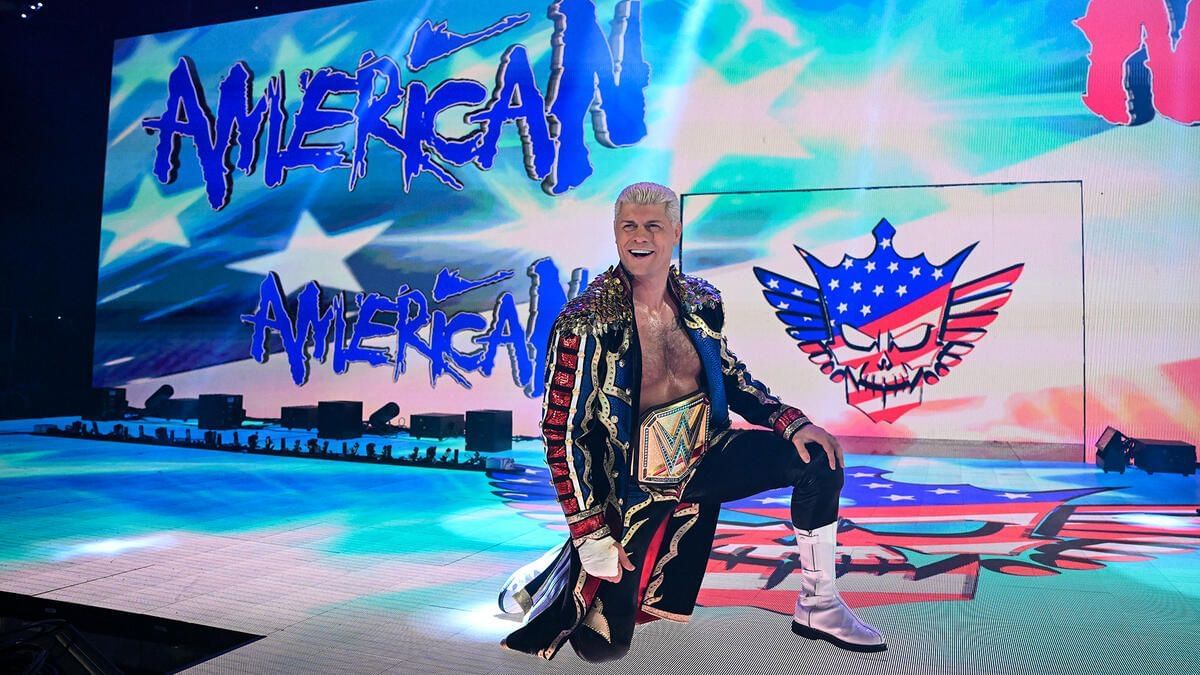
Cody Rhodes sends a message after receiving massive honor

Cody Rhodes has sent a heartfelt message after receiving a massive honor.

The American Nightmare is currently in his second reign as the WWE Undisputed Champion, having won the title at SummerSlam.

His achievement marks a significant milestone in his wrestling career, further solidifying his status as one of WWE’s top superstars.
https://www.sportskeeda.com/wwe/news-cody-rhodes-sends-message-receiving-massive-honor

Depew man accused of causing death of dog inside hot car

BUFFALO, N.Y. (WIVB) — A Depew man has been accused of causing the death of a dog by leaving it in a hot car in Cheektowaga this past September, according to the Erie County District Attorney’s Office.

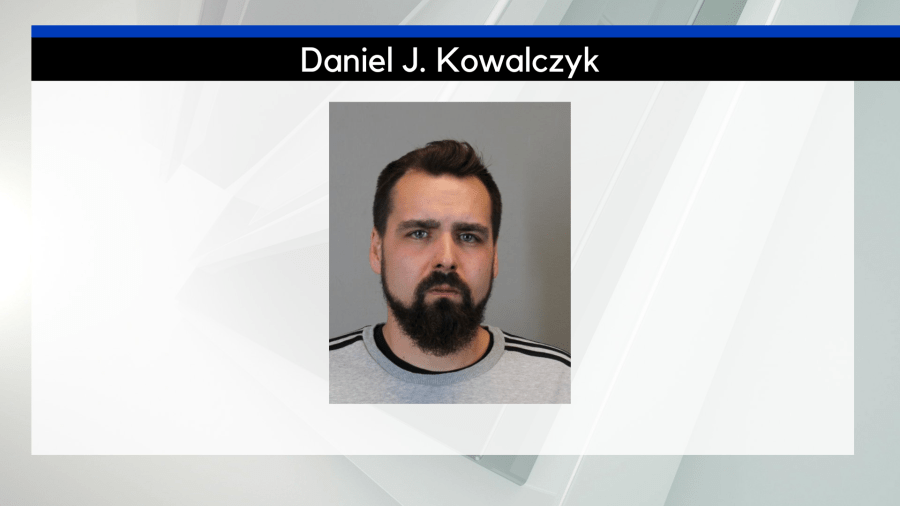
Daniel Kowalczyk, 29, allegedly left his dog, a 3-year-old Bulldog named Goon, in a cage inside his parked vehicle. The circumstances surrounding the incident are under investigation, with authorities emphasizing the dangers of leaving pets unattended in hot cars.

Animal welfare advocates remind pet owners of the serious risks posed by high temperatures and urge them to take precautions to protect their animals.

Further details about the case and any upcoming legal proceedings are expected to be released by the District Attorney’s Office.
https://www.wivb.com/news/crime/depew-man-accused-of-causing-death-of-dog-inside-hot-car/

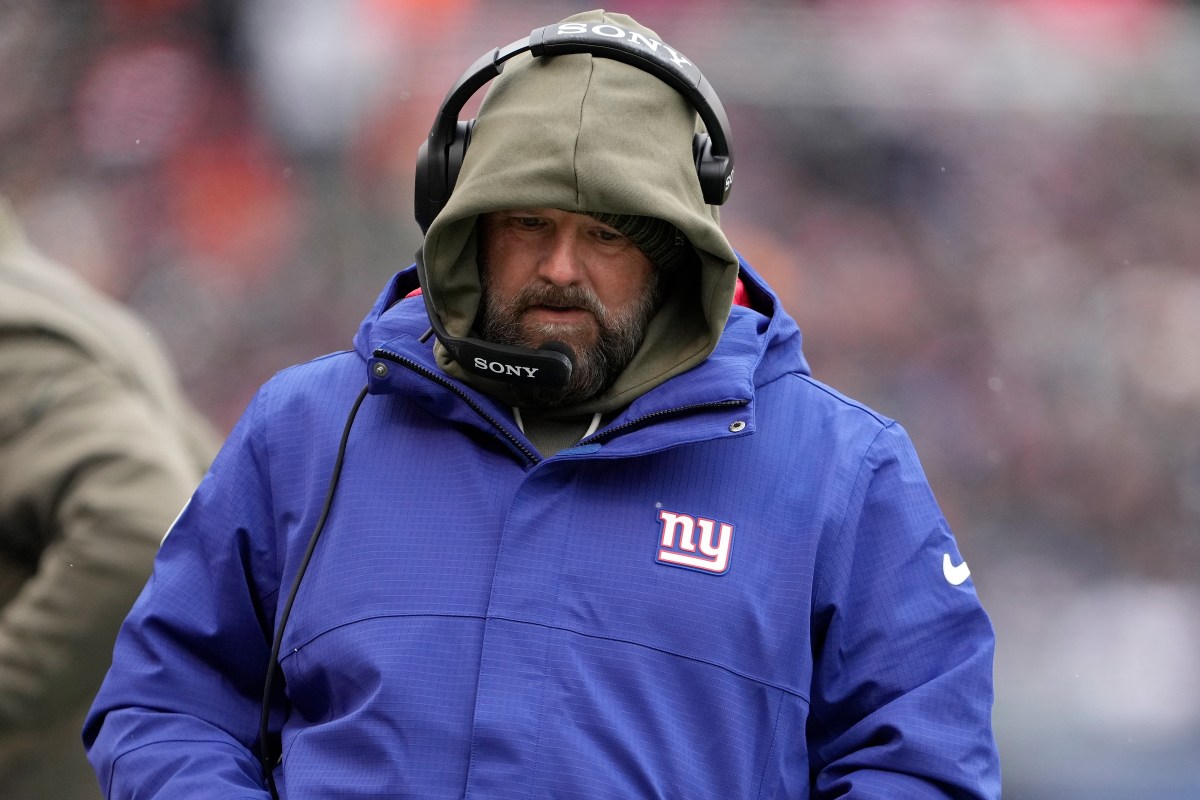
Insider Reveals Why Giants Didn’t Fire Joe Schoen When Team Fired Brian Daboll

With the decision to fire head coach Brian Daboll, many have questioned why the New York Giants didn’t move on from a few other faces within the organization. At the top of that list are defensive coordinator Shane Bowen and general manager Joe Schoen.

Schoen hasn’t necessarily done the worst job for the Giants, which has been evident when the team is healthy—primarily due to some of the young talent they’ve landed through the draft. Still, the Giants haven’t won games at the level the organization desires, and general managers often bear the brunt of that blame.

As things currently stand, it’s almost guaranteed that Schoen will have until the end of the season to prove his worth. Beyond that, his future remains uncertain. However, many feel it might have been better to let him go alongside Daboll rather than giving him the entire year—especially if the Giants don’t plan to bring him back next season.

According to ESPN’s Jordan Raanan, when asked about Schoen’s return next year, the prevailing sentiment around the NFL is that he will remain with the Giants for the remainder of the season, mainly because of the talent he has brought in.

“The Giants have already said in their statement announcing the firing that Schoen will remain the general manager and head their coaching search. That indicates that he’s part of their plans moving forward,” Raanan noted.

There is a belief that Schoen has assembled a promising core of young talent, but that group hasn’t been developed or utilized properly. The feeling around the league is that Schoen is likely to survive a third straight difficult season because he still has the trust and attention of ownership.

It’s not unfair to suggest that Schoen hasn’t done a great job overall. However, some of the blame may not rest entirely on him, given the Giants’ ongoing injury issues.

Of course, fans might argue that every NFL team deals with injuries. Yet, the Giants’ top offensive players have truly been derailed by them this season, significantly impacting the team’s performance.
https://www.newsweek.com/sports/nfl/insider-reveals-why-giants-didnt-fire-joe-schoen-when-team-fired-brian-daboll-11045758

Napa Valley College’s $7.5 million solar field was once a model. Now it sits dead in the weeds

It was April 2006, and the mood was celebratory at Napa Valley College. A crowd had assembled to toast the school’s new solar field—5,600 photovoltaic panels arranged in neat rows across 5 acres of floodplain the school said couldn’t be used for much else beyond hay cultivation.

Solar installations are ubiquitous now, appearing on desert plains, winery properties, and carports. In 2006, they looked like the future. Rep. Mike Thompson addressed the onlookers that day, calling the project “a model and inspiration.” Then two students flipped a symbolic power switch, marking what was seen as the beginning of a new energy era for the campus.

At the time, the photovoltaic array was the fifth largest in the United States. The system could generate about 1.2 megawatts of power—roughly 40% of the campus’ electricity needs—with panels that automatically pivoted with the sun. Officials estimated it would shave about $300,000 a year from PG&E bills.

Napa Valley College (NVC) proudly featured the solar field on the cover of its 2005-06 Report to the Community. Accolades followed. A Korean TV crew came to film a segment in spring 2007, and the 2007-08 Napa County Grand Jury report commended the college for the solar installation as well as a new cooling system that worked by circulating chilled liquid, saying both could serve as national models for reducing emissions.

Some reports predicted a 25-year lifespan for the system. Others said 30. But roughly 15 years after that ribbon-cutting moment, the panels went dark. They now sit idle and overgrown with weeds.

### What happened to Napa Valley College’s $7.5 million solar field?

The answer points to a public institution unable to keep pace with a rapidly evolving industry and offers a cautionary tale for other energy innovators navigating the turbulent world of solar power.

### The Early Years

The project began with Measure N, a $133.8 million bond approved by voters in November 2002 to upgrade campus infrastructure, including a new library, performing arts center, and life sciences building. Among its goals: the installation of a photovoltaic system to reduce the school’s reliance on utility power.

By 2005, NVC had hired Berkeley-based solar energy company PowerLight to design and build the system at a cost of $7.5 million—$4 million from Measure N bond funds and $3.5 million from PG&E incentives. It was a full turnkey project, with PowerLight handling the engineering, procurement, and construction, then selling the completed system outright to the college once it was commissioned. Installation was completed the following year.

“*There may be like 100 people who understand this stuff. Napa Valley College is not in the 100,*” said Gopal Shanker, founder of Napa-based Récolte Energy.

In its proposal, PowerLight—which at the time called itself the most experienced solar system supplier—said the solar farm would save the college $9.1 million over 25 years and require “virtually no maintenance.” It offered a 25-year warranty on the panels.

Within a year, in January 2007, PowerLight was acquired by Silicon Valley-based solar panel manufacturer SunPower Corp., which inherited the project’s annual inspections and maintenance duties. For a while, everything seemed to work smoothly.

A 2013 college report on Measure N projects showed the array producing the promised 40% of campus electricity, cutting carbon emissions by about 600 tons per year. Then performance began to slip.

By 2017, output had fallen to about one-third of the campus’s needs, according to a facilities master plan from that year. Maintenance costs climbed as the system aged.

In 2018, SunPower discovered a fault in the wiring and charged the college $160,000 for repairs. By late that year, a report listed the array’s “useful life” as nearly expired, and administrators floated the idea of relocating it to rooftops or parking lots to free up the land.

### The Switch to Fuel Cells

As PG&E rates rose and solar output fell, the college sought other solutions. In August 2020, it entered into an agreement with San Jose-based Bloom Energy to install a fuel cell on campus.

The system runs on natural gas but converts it through a chemical reaction that’s more efficient and less polluting than burning fuel in a conventional generator. Installed in early 2021, the fuel cell was expected to save the college more than $3 million over 15 years. Bloom would own, operate, and maintain it, while the college paid for the energy it produced.

NVC spokesperson Jenna Sanders said the solar panels were decommissioned when the fuel cell came online because they had started leaking, posing a fire hazard. When the college sought repairs, she said, the company responsible for maintenance—SunPower—had gone out of business and was unavailable.

“The solar field was deactivated at some point and has not provided any electrical support to the campus in recent years,” she said. But Sanders offered no additional details, and without a clear timeline from the college or alignment between recent statements and older board records, it remains difficult to determine exactly when the panels were taken offline.

In a recording of the August 2020 board meeting, as then-assistant superintendent Bob Parker presented the fuel cell proposal for approval, he told the college’s board of trustees the solar field was still producing some of the campus’s daytime power. The fuel cell, he said, would augment the electricity produced by the solar field, not replace it.

Sanders said the college does not have information on the performance of the solar panels at that time. Up until February 2021, the college was making payments to SunPower for maintenance of the solar panels, documents show. Soon after that, they appear to have been deactivated.

Trustee Jason Kishineff said he doesn’t recall any discussion of the solar array since joining the board four years ago. Asked by The Press Democrat about the system’s performance and any records on its decommissioning, college officials said they had no information to share.

While a 2016 maintenance contract with SunPower promises annual performance reports, a public records request for any such documents did not yield any results.

### SunPower’s Fall and the College’s Loss

The college’s timeline regarding SunPower doesn’t seem to match the public record. The company spun off its manufacturing division in 2019 but continued operating its commercial and industrial installation units through early 2022, according to published reports. It didn’t file for bankruptcy until August 2024.

By 2022, Napa Valley College was trying to recover costs linked to the failing array, but those efforts fizzled.

“We ran into a buzz saw,” Assistant Superintendent James Reeves said at a district facilities committee meeting in March 2025. “They (SunPower) went bankrupt and now they’ve been dissolved.”

College representatives did not respond to questions about whether the school sought insurance coverage, warranty compensation, or reimbursement for the project’s losses.

After SunPower’s bankruptcy, another company, Complete Solar, acquired its brand and trademarks. The new company directs former SunPower customers seeking service or warranty help to outside lenders, leaving many—including Napa Valley College—without clear recourse.

### The ‘Solar Coaster’

In retrospect, it’s hard not to view Napa Valley College’s solar project as a failure. Yet some energy experts say the idea itself had merit.

“I quite like projects like the one you describe in Napa,” said Omer Karaduman, Center Fellow at the Stanford Institute for Economic Policy Research and at the Precourt Institute for Energy. “There are a lot of efficiencies you get by scaling the size of panels. Over around 1 megawatt, the scale works quite well. Without knowing the specifics of the project, I would say it sounds like a reasonable investment.”

And NVC isn’t the only public entity that struggled to adapt to problems that emerged in the solar industry, said Gopal Shanker, founder of Napa-based Récolte Energy and a renewable energy consultant for more than 20 years. He described a sector defined by shifting incentives, frequent bankruptcies, and layers of bureaucratic complexity from PG&E to the California Public Utilities Commission.

Industry insiders have a name for that volatility: “the solar coaster.”

“There may be like 100 people who understand this stuff,” Shanker said. “Napa Valley College is not in the 100. They have other things to do with their time. They’re trying to educate kids.”

He pointed to his work with Napa Valley Unified School District. The manufacturer that supplied the solar modules for district projects between 2010 and 2017—a Chinese company called Suntech Power—went out of business. So did the firm that made Napa Valley Unified’s inverters. And so did all three of the solar installers that built those systems.

“The burden of trying to figure out what all this means is falling on the person in charge of facilities, who in the middle of a meeting I’m having with him gets a call saying there’s an ant infestation in a classroom, and he’s got to run to solve that problem,” Shanker said.

The constant churn of technology and policy only adds to the chaos, he said.

“While we are developing a project, every morning I wake up and have to think, ‘OK, where have the goalposts moved today?’ Because the rules change while you are playing the game.”

When Napa Valley College installed its solar field, Shanker said, large arrays typically relied on powerful central inverters that controlled the entire system. Those inverters began failing after about a decade and have largely been replaced industry-wide by networks of smaller “string” or “micro” inverters.

As for the promised 25- to 30-year lifespans? Shanker said those projections became an industry mantra, repeated so often they were accepted as fact—even though they were “pulled out of thin air” by a solar module manufacturer in the late 1990s and early 2000s and not based on real data.

Karaduman agreed. While a 25- to 30-year lifespan has become the industry norm today, he said, that expectation wasn’t realistic in 2006.

“How long did they last? 10 to 15 years?” Karaduman said of the NVC panels. “I would say that’s pretty good.”

### The Road Ahead

More than a year ago, the college began exploring a new campus-wide solar project. San Francisco-based solar energy company ForeFront Power proposed two systems: a 2.7-megawatt array for the main campus and a 442-kilowatt version for the college’s River Trail Village housing complex.

At an August 2024 meeting, physics professor Joshua Murillo praised the college’s intent to reduce fossil fuel use but asked whether the original solar project met its goals and, if it didn’t, whether the barriers it faced were being addressed in the new proposal.

“As someone concerned with the long-term impact of fossil fuel usage, I fully support efforts to reduce our reliance on them,” he said. “However, as a taxpayer, I also want to ensure that the college is assessing these projects with due diligence.”

In the months that followed, administrators determined the Bloom Energy fuel cell already offset much of the school’s electricity costs. A change in PG&E regulations meant customers could export electricity to the grid from only one on-site power source. As a result, the college withdrew from its contract with ForeFront for the main campus.

ForeFront had also offered in January to dismantle the old solar array for about $1 million, but the college balked.

“Eventually, we’ll do an open bid to demolish it,” Reeves said in March. “I think it may have some salvage value. I’d like to get rid of it as much as anybody but for a million dollars, we have to take a closer look.”

The college still plans to salvage the panels but has no firm schedule.

Today, the panels no longer follow the sun. They stand motionless as grass and weeds grow high around them near the Napa Valley Vine Trail—rusting reminders of a dead project.

The college did not provide information about ongoing maintenance expenses or liability insurance coverage. More recently, officials said a consultant involved in the early years of the project has offered to help redesign it to export energy again. The college has just begun exploring this option.

Meanwhile, the college is also considering another bond measure to fund future construction and infrastructure—more than two decades after voters approved the one that built the first solar field.

Despite the original system’s failure to live up to its promise, at least one expert thinks Napa Valley College should consider returning to solar power. Panel costs have fallen about 90% since 2006, said Karaduman, the Stanford Institute fellow, while electricity rates continue to rise. The technology has also become far more efficient—enough that the college could generate three or four times as much power from the same 5 acres. And with advances in battery storage, NVC could now use the energy it produces instead of navigating strict regulations on exporting it to the grid.

“Building a solar field from scratch is hard,” Karaduman said. “You have to get permits and do all this due diligence. But since you already have a field there, and you have connection to me, this sounds like a no-brainer investment.”
https://www.mercurynews.com/2025/11/14/napa-valley-colleges-7-5-million-solar-field-was-once-a-model-now-it-sits-dead-in-the-weeds/

These Glowing Snails Are a Huge Win for Conservation—and They’re Freaking Cool

**The Comeback of Partula Snails: A Conservation Success Story**

Partula snails are a family of fingernail-sized mollusks native to French Polynesia. For a long time, these tiny creatures held significant scientific and cultural value for both researchers and the native human population. Their near extinction in the late 20th century sparked a worldwide, systematic effort to bring them back from the brink.

### A Promising Year for Partula Snails

So far, 2025 has been a remarkable year for Partula snails. In spring, a subspecies was reclassified from Extinct-in-the-Wild to Critically Endangered on the IUCN Red List of Threatened Species. More recently, a global collaboration announced the reintroduction of over 7,000 Partula snails back into their island habitats this year alone.

According to a press release from the Zoological Society of London (ZSL) on November 13, this marks the largest release since the breeding program began in 1991. The snails’ comeback underscores the value of carefully planned and long-term conservation projects.

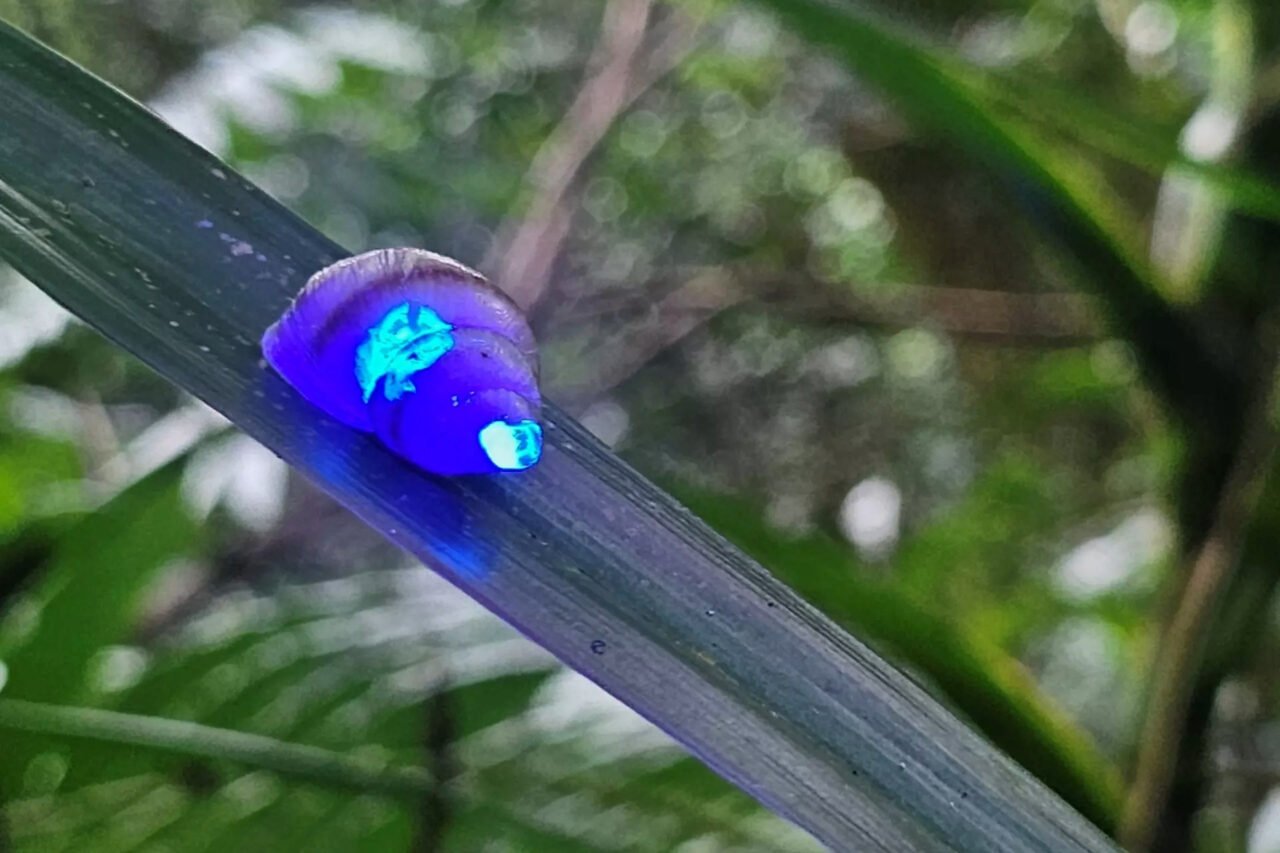
To stay vigilant, researchers have also placed small dabs of white UV reflective paint—essentially glow-in-the-dark paint—on the snails’ shells. This allows experts to track these nocturnal snails more effectively in the dark, explained ZSL.

### Why Partula Snails Nearly Went Extinct

The near extinction of Partula snails in the late 20th century stemmed from a tragic human error. A carnivorous snail species was introduced to Polynesian islands to control another invasive species, inadvertently making native Partula snails the unintended victims.

This was disastrous not only from an ecological perspective but also from a cultural one. The unique shells of each snail species formed an integral part of the island nation’s identity. As ZSL highlighted, the damage was “beyond harming fragile ecosystems—it was a loss of Polynesian heritage, too.”

At the bleakest point, scientists managed to rescue only nine individuals of one subspecies in 1991.

### A Glorious Comeback

Fortunately, the outlook has vastly improved. Over the last 30 years, conservationists have successfully released more than 17,000 Partula snails back into the wild. Remarkably, some of these snails traveled over 9,000 miles (15,000 kilometers) to return home.

Early assessments indicate the snails have adapted well. During the recent release, the team even spotted a baby Partula snail without UV paint, signaling that the snails are already breeding in their native environment.

Moreover, the researchers took this chance to monitor the reclassified subspecies. To their delight, these snails appeared to be thriving both within and beyond their original release sites.

### Ecological and Cultural Importance

“These mollusks play an important role in the health of their forest ecosystems, eating decaying plants and fungi, reducing the spread of disease, and cycling important nutrients through the food chain,” explained Justin Gerlach, a researcher at Cambridge University in the UK.

“By restoring wild populations, we can improve the state of the forests.”

Paul Pearce-Kelly, a ZSL researcher leading the international Partula conservation program, added, “Wildlife globally faces unprecedented challenges, and every single species is a precious part of the interconnected web of ecosystems that we all rely on. So today’s news is not only a moment of hope for these snails but for nature and people globally.”

The success of the Partula snails’ reintroduction is a powerful reminder of the impact dedicated conservation efforts can have—and a hopeful sign for biodiversity worldwide.
https://gizmodo.com/these-glowing-snails-are-a-huge-win-for-conservation-and-theyre-freaking-cool-2000686040

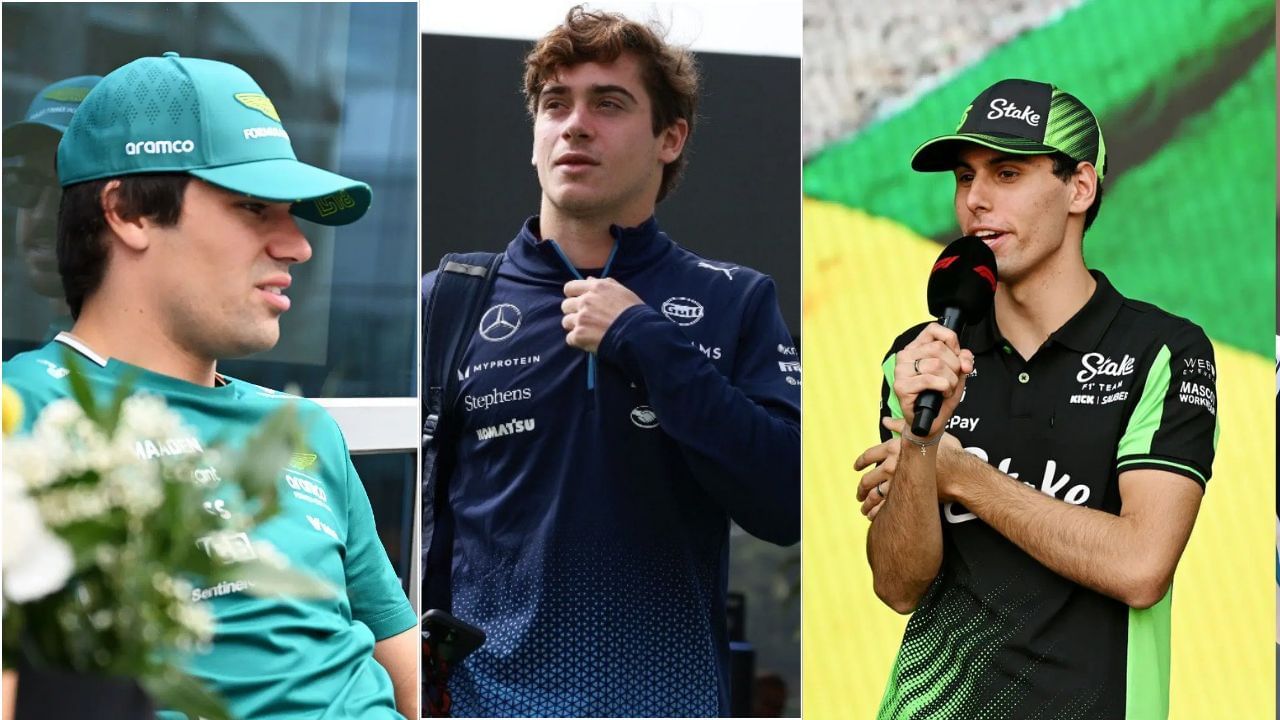
Franco Colapinto lashes out at serial offender Lance Stroll for ‘taking out’ Gabriel Bortoleto in the F1 Brazilian GP

Franco Colapinto Opens Up About Gabriel Bortoleto’s Crash at 2025 Brazil GP

The 2025 Brazil Grand Prix proved to be a challenging weekend for Gabriel Bortoleto. The home favorite faced a series of setbacks, including a crash in the sprint race, the inability to participate in qualifying, and another crash during the main race. As the dust settled, Alpine driver Franco Colapinto brought renewed attention to the incident, pointing fingers at Lance Stroll for causing Bortoleto’s crash in São Paulo.

Speaking to the media, Colapinto shared his perspective on the incident:
“Stroll is just always taking people out, just not looking in the mirrors, leaving no track, and he put Gabi in the wall. I overtook two cars—it was Lewis [Hamilton] and Colapinto on the outside of turn six,” Bortoleto had recalled earlier.

Colapinto elaborated on the collision:
“It was a nice move. Then Lance, I was just side by side with him out of turn nine. There’s no pointing fingers here. It was just lap one, and I was on the outside. He opened a little bit more than there was space. He clipped my front tyre, and I ended up in the wall.”

He added, “I think it’s a racing incident. Obviously, if he had given a bit more space, I would have taken the corner and probably overtaken him because he had worse tyres than I did—I was on softs. But again, it’s a racing incident. He didn’t do it on purpose, I’m sure. Every time I fight with him, he’s fair with me. So it’s just racing.”

On lap one, Bortoleto struggled to find grip and track position while attempting an outside overtaking maneuver. Lance Stroll blocked his path, leading to contact between Stroll’s left rear tyre and Bortoleto’s front tyre. This caused Bortoleto to lose control and crash into the barrier. Despite the severity of the incident, Colapinto emphasized that it was a racing incident rather than a deliberate collision.

Franco Colapinto Reflects on Securing 2026 Alpine Seat

Following the Brazil GP, Alpine confirmed that Franco Colapinto and Pierre Gasly will remain with the team for the 2026 season. This decision maintains the same driver lineup as the current year.

Colapinto expressed his gratitude and optimism for the future:
“I am very grateful to Flavio and the entire team for their belief in me to help drive the team forwards in the future. It has been a long and tough road, and I am very proud for the opportunity to drive with this team again in 2026, alongside Pierre who has been a great teammate and undoubtedly someone I can continue to learn from.”

So far this season, after 21 races and five sprint events, Colapinto has yet to score points. Meanwhile, teammate Pierre Gasly sits 18th in the standings with 22 points. Alpine currently holds 10th place in the Constructors’ Championship with a total of 22 points.

*Edited by Sabyasachi Biswas*
https://www.sportskeeda.com/f1/news-franco-colapinto-lashes-serial-offender-lance-stroll-taking-out-gabriel-bortoleto-f1-brazilian-gp

Goldman Sachs stands by top lawyer who bashed Trump in chummy Jeffrey Epstein emails

Goldman Sachs is standing by its top lawyer after newly released emails revealed she repeatedly trashed President Trump in exchanges with convicted pedophile Jeffrey Epstein and turned to him for career advice. The Wall Street giant on Thursday defended general counsel Kathy Ruemmler following the release of her correspondence with Epstein by the House Oversight Committee. The emails released Wednesday span 2014 to 2019. Ruemmler joined Goldman Sachs as its top lawyer in 2020 and is currently co-vice chair of Goldman’s Firmwide Reputational Risk Committee, among other roles. Bankers inside Goldman previously complained to senior management about Ruemmler’s relationship with Epstein in light of her role on the reputational risk committee, which decides which clients the bank shouldn’t work with, according to The Wall Street Journal. Goldman officials reportedly told the bankers the Epstein matter had nothing to do with her job at the firm and that she was upfront in disclosing her relationship with Epstein when she joined “Kathy is an exceptional general counsel and we benefit from her judgment every day,” Goldman spokesman Tony Fratto said in a statement to CNBC this week. Ruemmler, who served as White House counsel under former President Barack Obama, regularly vented to Epstein about Trump’s political rise. “Trump is living proof of the adage that it is better to be lucky than smart,” she told Epstein in an August 2015 email. Months later, she expressed alarm about Trump’s climb in the polls as the real estate magnate was vying for the Republican nomination. “The Trump success is seriously scary,” Ruemmler wrote in February 2016. “Trump is truly stupid,” she wrote in July 2017. Months earlier, she called Trump “so gross.” Epstein’s reply: “Worse in real life and upclose.” The emails show Ruemmler also consulted Epstein on major career decisions, including whether she should become US attorney general in 2014. She picked his brain for advice when rival law firms tried to recruit her and when hunting for a Manhattan apartment, too. The correspondence was released by the House Oversight Committee, which obtained the emails from Epstein’s estate. The messages came after Epstein’s 2008 guilty plea in Florida to soliciting an underage girl for prostitution. He spent 13 months behind bars and became a registered sex offender. Epstein hanged himself in a Manhattan lockup while awaiting trial in August 2019 weeks after federal prosecutors charged him with sex trafficking. In October 2014, Ruemmler weighed whether she should succeed Eric Holder as head of the Justice Department. Epstein urged her to “talk to boss” about the position. In the same exchange, he offered to connect her with influential figures including Leon Black, Woody Allen, Peter Thiel and Larry Summers. Ruemmler ended up removing herself from consideration for the attorney general post and remained at the law firm Latham & Watkins, where she led its global white-collar defense group. The recently released emails captured Epstein and Ruemmler discussing former President Bill Clinton, Facebook founder Mark Zuckerberg and even people Ruemmler apparently considered overweight. Fratto said Thursday the emails “were private correspondence well before Kathy Ruemmler joined Goldman Sachs.” Epstein told Ruemmler in one of the emails that he ended his friendship with former President Bill Clinton because he thought he was a liar. In a January 2016 messge, Epstein said he’d cut off contact with Clinton “when he swore, with whole hearted conviction to me, that he had done something, he had forgotten that he also swore the exact opposite to me only weeks before.” A January 2019 draft of Epstein’s will named Ruemmler as the backup executor to his estate, according to a copy of the document released by the House Oversight Committee earlier this year. In 2023, The Journal reported that Ruemmler met with Epstein “dozens” of times after leaving the White House and before starting her job at Goldman. Epstein invited her on a 2015 Paris trip and a 2017 visit to his Caribbean island, The Journal reported. Goldman has said Ruemmler’s ties to Epstein were professional and related to her work at Latham. But Latham has said Epstein wasn’t a client. The Post has sought comment from Goldman, Latham and the White House. Ruemmler didn’t respond to requests for comment.
https://nypost.com/2025/11/14/business/goldman-sachs-stands-by-kathy-ruemmler-after-she-bashed-trump-in-jeffrey-epstein-emails/