

Today, an increasing number of Americans across the political spectrum from Make America Healthy Again activists to everyday shoppers are voicing concern about the health impact of ultraprocessed foods those boxed and wrapped in plastic, ready-to-eat items lining grocery store shelves. Leading the charge are two men who disagree on pretty much everything else about public health Health and Human Services Secretary Robert F. Kennedy Jr. and Dr. David Kessler, the former commissioner of the U. S. Food and Drug Administration. The two men have found common ground over a common culprit: a 67-year-old government classification for substances in our food. It’s called GRAS, or generally recognized as safe. Kennedy and Kessler say it has allowed big food companies to use ingredients without a full government safety review and flood the market with ultraprocessed foods that now make up 50% of our calories and 60% of our children’s diets. David Kessler: Over the last 40 years, the United States has been exposed to something that our biology was never intended to handle. Energy-dense, highly palatable, rapidly absorbable, ultraprocessed foods that have altered our metabolism and have resulted in the greatest increase in chronic disease in our history. Type 2 diabetes, pre-diabetes, hypertension, abnormal lipids, fatty liver, heart attacks, stroke, heart failure. Bill Whitaker: From our food David Kessler: From our food. David Kessler was commissioner of the U. S. Food and Drug Administration during the 1990s when he helped expose how the tobacco companies manipulated nicotine levels to hook consumers. He was a driving force in bringing tobacco executives before Congress and turning public attention to the industry. He’s now aiming to do the same with the food industry. Bill Whitaker: In terms of a public health crisis, how does this compare with tobacco? David Kessler: It’s as large, if not larger. Bill Whitaker: It’s that significant? David Kessler: The scale of this– this affects everybody. Understand, not everybody smoked. But look at the number of people who consume ultraprocessed food. It touches all of us. Robert F. Kennedy Jr.: 70% of Americans are either obese or overweight, and it’s not because they got indolent or because we became lazy or because we suddenly developed giant appetites. It’s because We’re being given food that is low in nutrition and high in calories and it’s making it’s destroying our health We met with Health and Human Services Secretary Robert F. Kennedy Jr. last month after he issued new dietary guidelines that for the first time advise against highly processed foods. Bill Whitaker: You have said that these ultraprocessed foods are poisoning us. I think many Americans would be surprised to hear that. Robert F. Kennedy Jr.: We’re seeing in our population people who are obscenely obese and at the same time malnourished Kennedy says that’s largely because we don’t know the health consequences of what we’re eating thanks to the GRAS exemption enacted by Congress in 1958 that allows food companies to independently verify the safety of their ingredients with no government oversight if they are generally recognized by experts as safe. Pending White House approval, he intends to close that backdoor. Robert F. Kennedy Jr.: That loophole was hijacked by the industry, and it was used to add thousands upon thousands of new ingredients into our food supply. In Europe there’s only 400 legal ingredients. This agency does not know how many ingredients there are in American food. Bill Whitaker: They do not know. Robert F. Kennedy Jr.: They do not know. The estimates are between 4, 000 and 10, 000. We have no idea what they are. Bill Whitaker: How do we know what is safe to eat? Robert F. Kennedy Jr.: There is– no way for any American to know if a product is safe if it is ultraprocessed. For his part, David Kessler is petitioning Kennedy to go further and outright revoke the GRAS status for dozens of processed refined carbohydrates sweeteners and starches such as corn syrup and maltodextrin unless the companies can prove they are safe and not fueling obesity. David Kessler: They took starch, right? Those cheap, easy calories. And they converted those into a whole panoply of ingredients, that it was able to reassemble. And those products are so rapidly absorbed in our system that it caused metabolic havoc. David Kessler: they target the brain reward circuits that keep us coming back for more. They, they trigger overeating. They deprive us of any sense of fullness. Bill Whitaker: What we all call empty calories David Kessler those calories are not just empty. They’re ending up in your liver, and that fat in your liver is gonna migrate into other organs. And it’s the cause of cardiometabolic disease. Kessler, a pediatrician, filed his petition with the FDA after zeroing in on GRAS ingredients listed in plain sight on the backs of packaged foods. David Kessler: Pick up any one of these products. You ever look at the– the ingredient label? Bill Whitaker: A lot of ’em are things I can’t even pronounce. David Kessler: Right. Is that food? Corn syrup, corn solids, maltodextrin, dextrose, xylose, high-fructose corn syrup. And then these ingredients were subjected to industrial processing so that our system can’t handle it. Robert F. Kennedy Jr.: We will act on– on David Kessler’s petition. And the questions that he’s asking are questions that FDA should’ve been asking a long, long time ago. Kennedy told us he will use gold standard science to review GRAS ingredients. but his credibility on that score has been widely called into question because of his history of vaccine skepticism and his agency’s revision of the childhood vaccine schedule. Bill Whitaker: Are you concerned at all that your stance on vaccines might make people reluctant to support you on ultraprocessed foods? Robert F. Kennedy Jr.: My stance on vaccines is the same. People should have food science and they should have choice. Bill Whitaker: Some doctors worry that– the new immunization schedule sows confusion and will lead some Americans not to vaccinate their children Robert F. Kennedy Jr.: People who wanna get those vaccines can get them and they can get them fully insured. David Kessler: The secretary and I, you know, we disagree on a number of issues, I mean, in the strongest possible terms. When it comes to vaccines I disagree. But if he’s willing to take action on these ultraprocessed foods, I will be the first– to applaud that. Bill Whitaker: If you don’t trust him on vaccines, why trust him when it comes to ultraprocessed foods? David Kessler: I don’t think it’s a question of trust, Bill. I mean, this country is ill. I’m a doc I care about the public health of this country. And if we can make progress on that, let’s do that In December, San Francisco City Attorney David Chiu filed a landmark lawsuit against 10 manufacturers of ultraprocessed foods alleging that, like the tobacco companies, they knowingly engineered and marketed addictive, dangerous products while hiding the risks and causing a public health crisis. Consumer Brands Association and American Farm Bureau Federation statements to 60 Minutes The Consumer Brands Association, one of the largest trade groups representing the food industry, declined to respond to us about the lawsuit. But in a statement to 60 Minutes, said there is no “agreed upon scientific definition of ultraprocessed foods” and “companies adhere to the rigorous evidence-based safety standards and nutrition policy established by the FDA to deliver safe, affordable and convenient products that consumers depend on every day.” We met with food author Michael Pollan, who for decades has been warning about inexpensive, factory-processed food. Michael Pollan: Granola bars, those look very healthy all of these would qualify as ultraprocessed foods– Bill Whitaker: All of them? Michael Pollaneven though they’re very different. This– you know, we have a snack good– couple of snack foods. Bill Whitaker: Even the Nature Valley? Michael Pollan: I would argue, because of the number of– ingredients in it. So there’s a lot of sugar in here Bill Whitaker: But this is sold as a health food. Michael Pollan: Yeah, a health food. Pollan commends Kennedy for shining a light on ultraprocessed foods. He ties their ubiquity to longstanding federal farm subsidies. Michael Pollan: We subsidize as taxpayers, through the Farm Bill, the least healthy calories in the diet. Michael Pollan: Most of which goes to people farming corn and soybeans Bill Whitaker: What’s wrong with corn and soybeans? Michael Pollan: When you hear corn and soy you think food. This is not corn on the cob. This is commodity corn Bill Whitaker: It’s not the sweet corn we eat in the summer? Michael Pollan: No. You can’t eat it, in fact. It’s all starch, big cobs. You’d break your teeth on it. And then soy, which is not, in the form we grow it as a commodity, is not edamame. You can’t eat it. These are raw ingredients for processed foods and animal feed. Bill Whitaker: So the– the government is subsidizing crops that are making us unhealthy? Michael Pollan: Sick. Yes. Yeah. And one way to look at it is we are supporting both sides in the war on type 2 diabetes. We are– we’re subsidizing the high fructose corn syrup that’s contributing to causing it. And then we’re paying for the healthcare costs. I mean, it makes no sense at all. In a statement, the American Farm Bureau Federation, the largest general farm organization in the U. S., told us: “[a] healthy diet relies on a variety of nutrient-dense foods and a balance of healthy fats, carbohydrates, protein and fiber, some of which can come from shelf-stable foods” Bill Whitaker: Why are there not subsidies to produce more of the healthy foods? Michael Pollan: Cheap food is the goal of all governments. If you were to remove these corn subsidies there is concern that the price of corn would raise. And that would be a problem for the whole food industry, which, of course, is a very powerful lobby, and would be a problem for the consumer, conceivably. Bill Whitaker: When you’re taking on ultraprocessed foods, you’re also taking on powerful industries, Big Ag, Big Food. What makes you believe you will prevail? Robert F. Kennedy Jr.: My belief that I will prevail is because we have the president behind us. Bill Whitaker: But the president has shown himself to be– pretty much against regulations. So, why would he support regulating ultraprocessed foods? Robert F. Kennedy Jr.: Well, I’m not saying that we’re going to regulate ultraprocessed food. Our job is to make sure that everybody understands what they’re getting, to have an informed public. Bill Whitaker: There are Americans who live in so-called food deserts with little access to whole foods. And these are foods that many of them can’t afford anyway. So how do you speak to that American? Robert F. Kennedy Jr.: We are laser-focused on making all of these foods affordable and accessible to every American. The Consumer Brands Association told us the GRAS process enables companies to “innovate to meet consumer demand” and that “food companies adhere to FDA’s science and risk-based evaluation of ingredients[.]before and after they are in the marketplace.” David Kessler says that’s not enough. David Kessler: We changed how this country views tobacco. We need to change how this country views these ultraprocessed foods. Bill Whitaker: Would you like to see the CEOs of big food companies come before Congress and raise their hand and be questioned like the tobacco industry was? David Kessler: I’d like them to understand the consequences of what they are doing and to do something about it. Produced by Sarah Koch. Associate producer, Amanda Winograd-Schnur. Broadcast associate, Mariah Johnson. Edited by Craig Crawford.
https://www.cbsnews.com/news/ultraprocessed-foods-rfk-jr-and-david-kessler-60-minutes-transcript/
Category Archives: nutrition

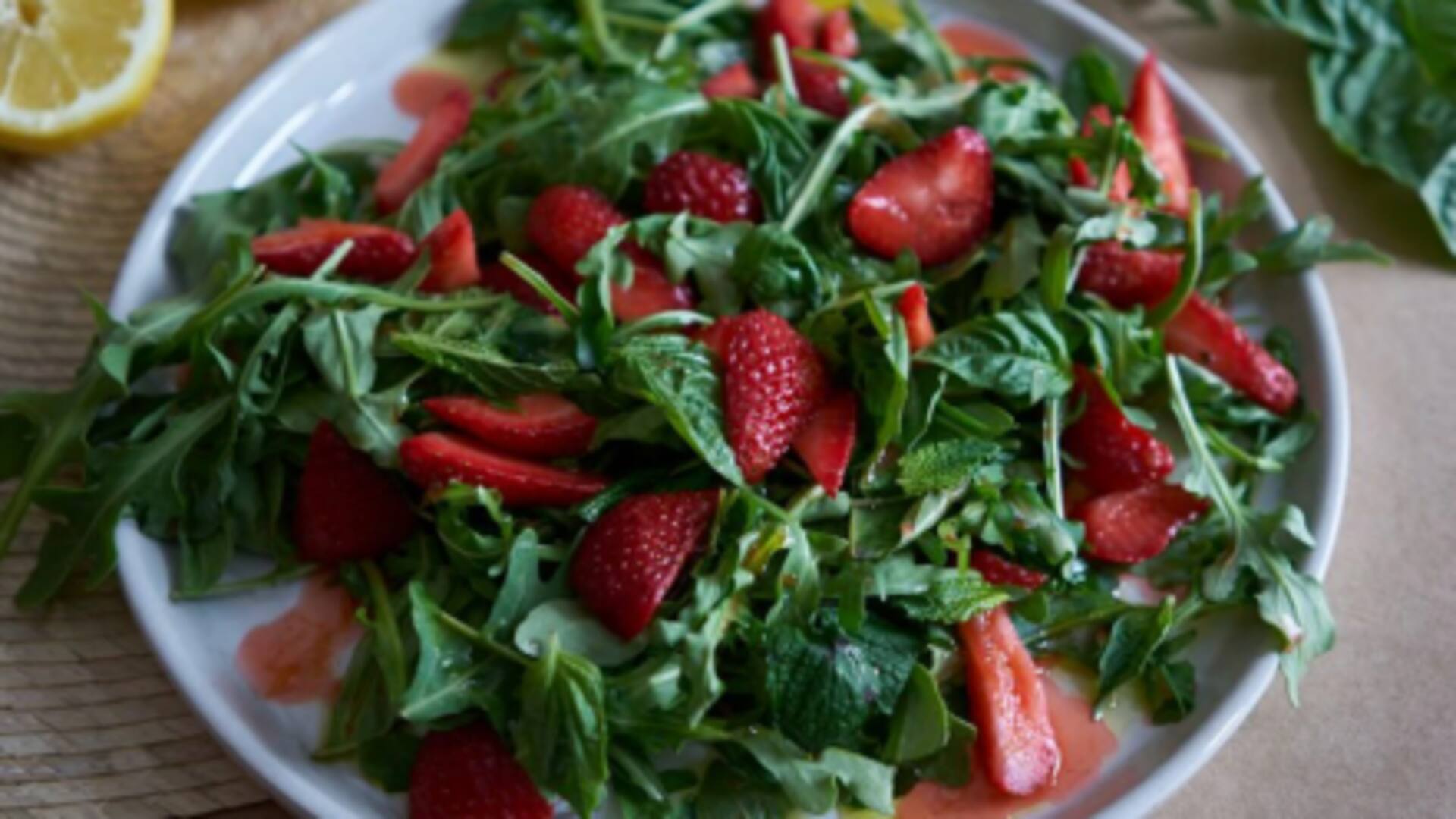
Basil and strawberries: A salad combo you must try
**Basil and Strawberries: A Salad Combo You Must Try**
*By Anujj Trehaan | Oct 13, 2025 | 01:11 PM*
Combining basil and strawberries in salads can be a game-changer for your taste buds. The sweetness of strawberries paired with the aromatic flavor of basil creates an unexpected yet delightful combination. This pairing not only adds a unique taste but also brings the freshness of summer straight to your plate.
Here are some insights on how to make the most of this flavorful duo in your salads:
**1. Choosing Fresh Ingredients**
Selecting fresh ingredients is key to maximizing the basil-strawberry combination. Choose ripe strawberries that are bright red and firm to the touch. For basil, pick leaves that are vibrant green with no signs of wilting or browning. Using fresh ingredients ensures the flavors are at their peak, giving you a more delicious salad experience.
**2. Balancing Flavors with Dressings**
To balance the sweet and savory notes in your salad, opt for light dressings. A simple mix of olive oil, lemon juice, and honey can work wonders. The acidity from lemon juice complements the sweetness of strawberries, while honey adds subtle depth without overpowering other flavors.
**3. Adding Complementary Ingredients**
Enhance your basil-strawberry salad by including complementary ingredients like nuts or cheese. Almonds or walnuts add a satisfying crunch, while feta or goat cheese provide a creamy contrast. These additions not only elevate the taste but also add nutritional value to your dish.
**4. Experimenting with Textures**
Playing with different textures can take your salad to the next level. Mix crispy greens like arugula or spinach with juicy strawberries and soft basil leaves. Adding sliced cucumbers or radishes introduces an extra crunch, making every bite interesting and enjoyable.
Give this refreshing basil and strawberry salad a try and savor the unique harmony of flavors and textures!
https://www.newsbytesapp.com/news/lifestyle/basil-and-strawberries-a-salad-revolution-awaits-you/story

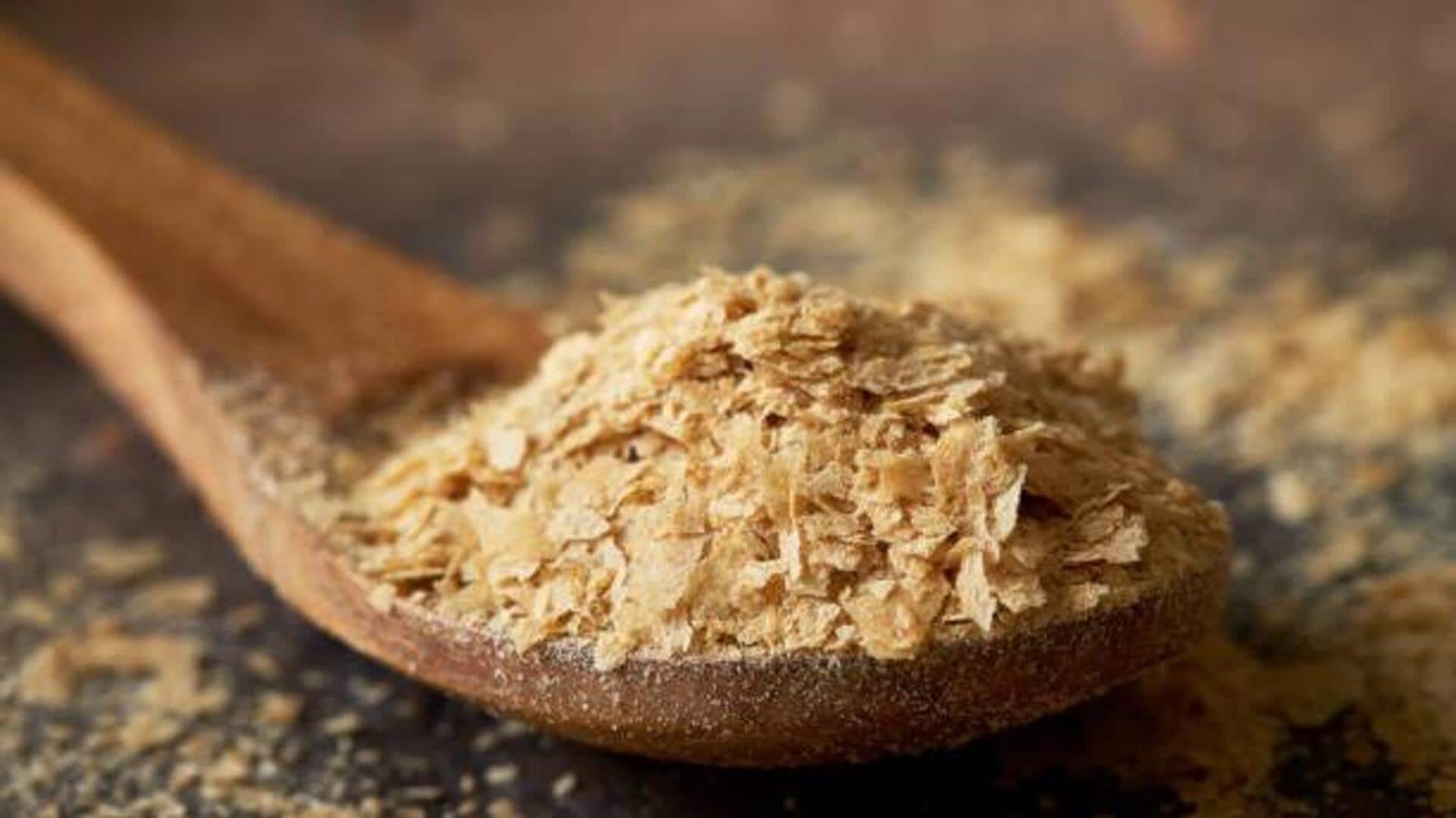
How to use nutritional yeast in cooking
**How to Use Nutritional Yeast in Cooking**
*By Simran Jeet | Oct 06, 2025, 05:13 PM*
Nutritional yeast is a versatile ingredient that can add a savory, cheesy flavor to your breakfast dishes. Packed with vitamins and minerals, it’s an excellent addition to your morning routine. Here are five creative and easy ways to use nutritional yeast in your breakfast, making your meals both nutritious and delicious.
### 1. Savory Oatmeal with Nutritional Yeast
Transform your regular oatmeal into a savory delight by adding nutritional yeast. Cook your oats as usual, then stir in a tablespoon of nutritional yeast along with some salt, pepper, and chopped vegetables like spinach or tomatoes. This simple twist boosts flavor and enhances your meal with extra protein and B vitamins.
### 2. Nutritional Yeast Avocado Toast
Give your avocado toast a flavorful makeover by sprinkling nutritional yeast on top. Mash ripe avocados on whole-grain bread and generously add nutritional yeast. For extra crunch and freshness, top with sliced radishes or cucumber. This combination offers healthy fats from the avocado and essential nutrients from the nutritional yeast.
### 3. Breakfast Smoothie Boost
Add a nutrient-packed punch to your morning smoothie by blending in nutritional yeast. Combine bananas, spinach, almond milk, and a tablespoon of nutritional yeast for a creamy smoothie rich in vitamins and minerals. The subtle nutty flavor complements the sweetness of the fruits without overpowering them.
### 4. Veggie-Packed Breakfast Scramble
Create a hearty breakfast scramble by sautéing vegetables such as bell peppers, onions, and mushrooms in olive oil. Add tofu or chickpeas for protein, then mix in two tablespoons of nutritional yeast before serving. This dish mimics traditional scrambled eggs while offering plant-based nutrition.
### 5. Cheesy Pancakes with Nutritional Yeast
Try an innovative twist on pancakes by adding nutritional yeast to the batter. Mix flour, baking powder, milk (or a plant-based alternative), and one tablespoon of nutritional yeast until smooth. Cook on a skillet until golden brown on both sides. Serve with fresh fruit or maple syrup for added sweetness without compromising health benefits.
Incorporating nutritional yeast into these breakfast dishes is a simple way to enhance flavor and increase the nutritional value of your meals. Give these ideas a try and start your day on a healthy, delicious note!
https://www.newsbytesapp.com/news/lifestyle/start-your-day-with-these-dishes-featuring-nutritional-yeast/story

Something fishy about fried shark served in Indonesia’s free meals programme?
Over 6,000 students have reportedly come down with food poisoning since the launch of the nutritious lunch scheme in January. This initiative aims to cover more than 80 million children, pregnant women, and breastfeeding mothers by next year.
The cause of the food poisoning has been traced to contaminated fried tofu, chicken in soy sauce, and several fruit and vegetable dishes. However, administrators at a school in Ketapang attributed the outbreak to a dish of shark fillet with tomato sauce on the menu.
Critics have questioned the choice of shark meat, citing concerns over its potentially high mercury content and its suitability for feeding children. In response, authorities have issued a rebuttal.
Indonesia’s National Nutrition Agency Deputy Head, Nanik Deyang, explained that shark meat is a traditional part of the diet in that region, justifying its inclusion in the school meals.
https://www.scmp.com/week-asia/health-environment/article/3327576/fried-shark-served-indonesias-free-meals-programme-comes-biting-criticism?utm_source=rss_feed
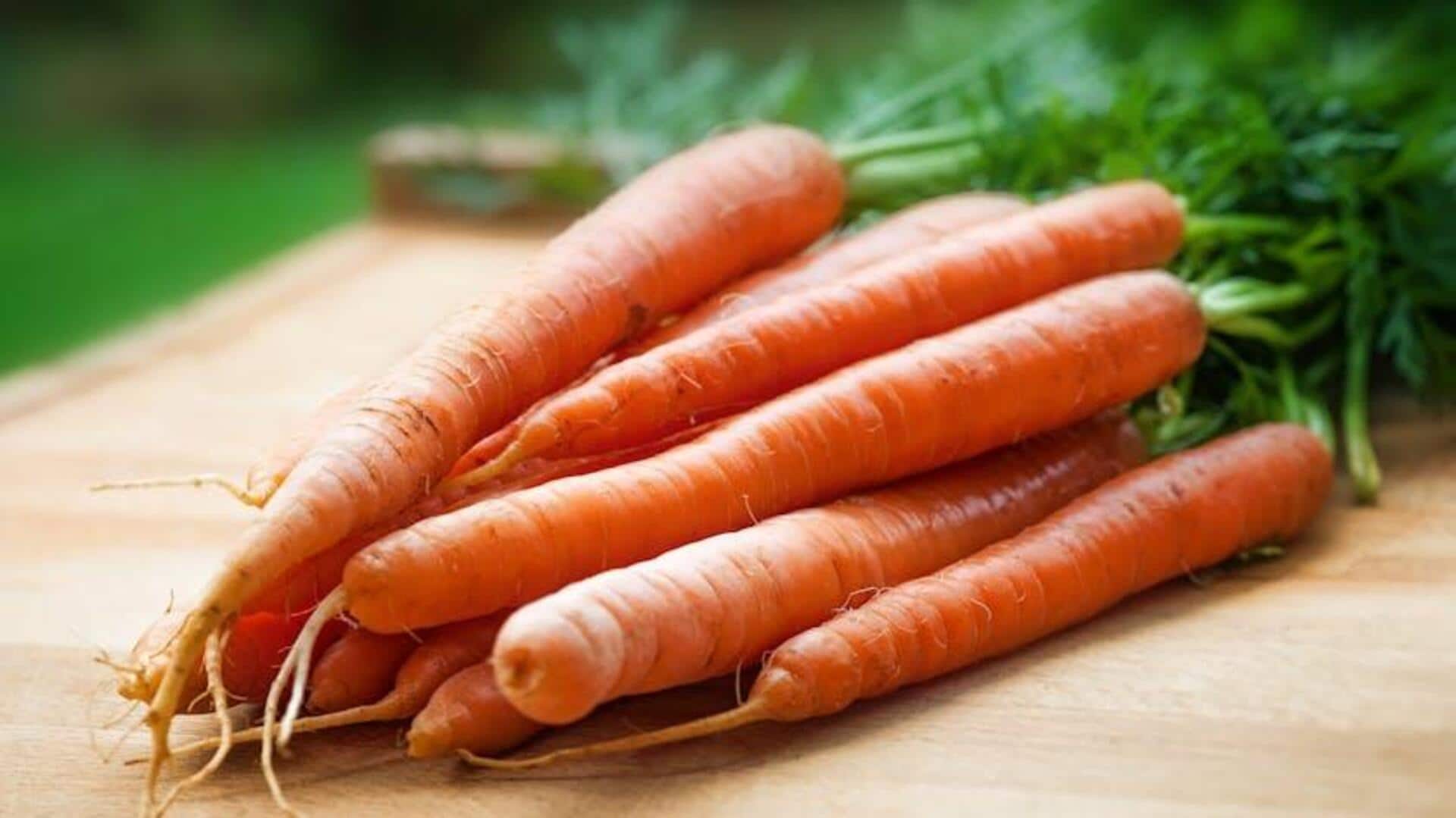
Pumpkin v/s carrot: Which is more nutritious?
**Pumpkin vs. Carrot: Which Is More Nutritious?**
*By Anujj Trehaan | Sep 30, 2025, 11:26 AM*
Pumpkin and carrot are two of the most popular vegetables, celebrated not only for their vibrant colors but also for their impressive nutritional benefits. While both pack a punch in terms of vitamins and minerals, each has its unique nutritional profile. In this article, we explore the differences between pumpkin and carrot, highlighting the key nutrients they offer to help you make informed dietary choices.
### Vitamin Content Comparison
Pumpkins are an excellent source of vitamin A, providing more than 200% of the daily recommended intake per cup. This vitamin is crucial for vision, immune function, and skin health. Additionally, pumpkins supply vitamins C and E, both vital for boosting immunity and maintaining healthy skin.
Carrots also offer a substantial amount of vitamin A but stand out for their high vitamin K content, important for blood clotting and bone health. They also contain various B vitamins, which support energy production and brain function.
### Mineral Composition Insights
Both pumpkins and carrots are rich in essential minerals. Pumpkin is particularly known for its potassium content, which plays a key role in heart health and blood pressure regulation. It also contains magnesium and calcium, albeit in smaller amounts.
Carrots, meanwhile, are also high in potassium and provide notable quantities of calcium and iron. These minerals contribute to healthy bones, muscle function, and oxygen transport throughout the body.
### Fiber Content Analysis
Fiber is essential for digestive health, and both vegetables deliver it effectively. A cup of pumpkin contains about three grams of fiber, while the same serving of carrots offers approximately four grams. Consuming fiber-rich foods supports regular bowel movements, helps lower cholesterol levels, and promotes satiety—beneficial for weight management.
### Caloric Value Considerations
When it comes to calories, pumpkins slightly edge out carrots with fewer calories per serving. One cup of cooked pumpkin has roughly 50 calories, whereas a cup of raw or cooked carrots contains about 52 calories. Both are excellent low-calorie options to include in your diet for a nutrient boost without excess calories.
—
**Bottom Line:** Both pumpkin and carrot are nutritious vegetables that bring unique benefits to your plate. Choosing between the two can depend on your specific nutritional goals, but incorporating both into your diet is a delicious way to enjoy a variety of vitamins, minerals, and fiber.
https://www.newsbytesapp.com/news/lifestyle/pumpkin-v-s-carrot-comparing-their-nutritional-value/story
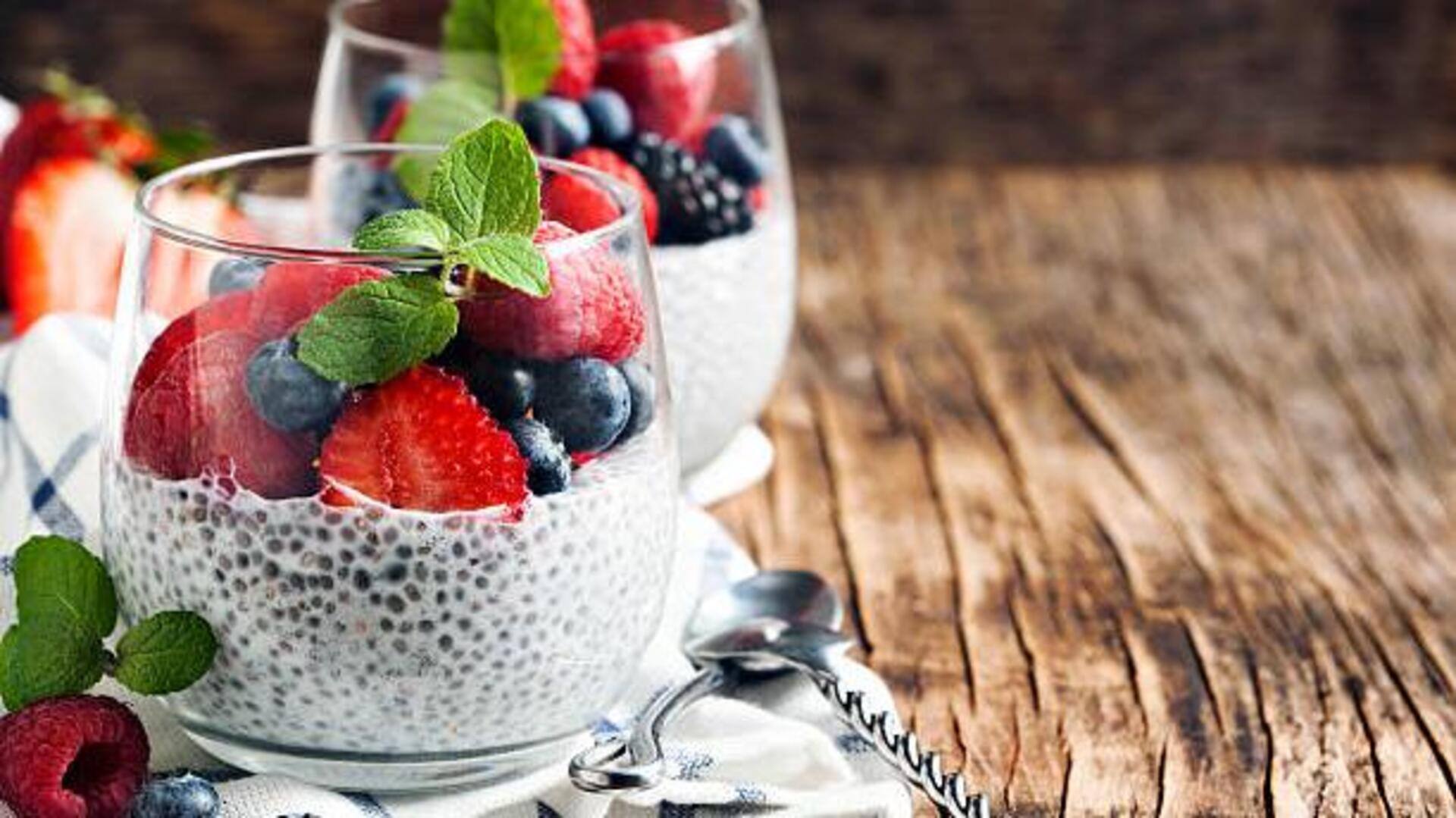
Quick and healthy: 5 antioxidant-rich breakfasts
**Quick and Healthy: 5 Antioxidant-Rich Breakfasts**
*By Simran Jeet | Sep 29, 2025, 04:21 PM*
Moringa and spirulina are two superfoods that have taken the health world by storm, thanks to their high antioxidant content. Adding them to your breakfast can give you a great start to the day, keeping you energized and healthy. Here are five antioxidant-rich breakfast bowl ideas that use these superfoods, making your mornings both delicious and nutritious.
—
### 1. Moringa Smoothie Bowl with Berries
A moringa smoothie bowl with berries makes for an antioxidant powerhouse. Blend one banana, a handful of spinach, one teaspoon of moringa powder, and half a cup of almond milk until smooth.
Top with fresh berries like blueberries or strawberries to add extra antioxidants.
This bowl not only tastes great but also provides you with vitamins C and K, along with iron.
—
### 2. Spirulina Chia Seed Pudding
Spirulina chia seed pudding is another fantastic way to start your day. Mix two tablespoons of chia seeds with one cup of coconut milk and one teaspoon of spirulina powder.
Let it sit overnight in the refrigerator.
In the morning, top it with sliced almonds and kiwi for added texture and flavor. This pudding is rich in omega-3 fatty acids and vitamin E.
—
### 3. Moringa Oatmeal with Nuts
Start your day with a warm bowl of moringa oatmeal topped with nuts. Cook half a cup of oats in water or milk until creamy.
Stir in one teaspoon of moringa powder before serving.
Top with walnuts or pecans for extra crunch and healthy fats. This meal provides fiber for digestion and antioxidants for cellular protection.
—
### 4. Spirulina Granola Parfait
For a quick breakfast option, try spirulina granola parfaits. Layer granola mixed with one teaspoon spirulina powder between layers of yogurt or plant-based alternatives like almond yogurt.
Add sliced bananas or apples between the layers for natural sweetness.
This parfait is ideal for busy mornings while still offering essential nutrients.
—
### 5. Moringa Green Tea Bowl
Combine the benefits of green tea with moringa in this unique breakfast bowl. Brew green tea as per instructions, then let it cool slightly before mixing it into cooked quinoa or brown rice.
Stir in one teaspoon of moringa powder and top with dried fruits like raisins or cranberries.
This bowl is a refreshing way to kickstart your metabolism.
—
Incorporate these antioxidant-rich superfoods into your breakfast routine to fuel your day with health and vitality!
https://www.newsbytesapp.com/news/lifestyle/start-your-day-with-these-antioxidant-breakfast-bowls/story
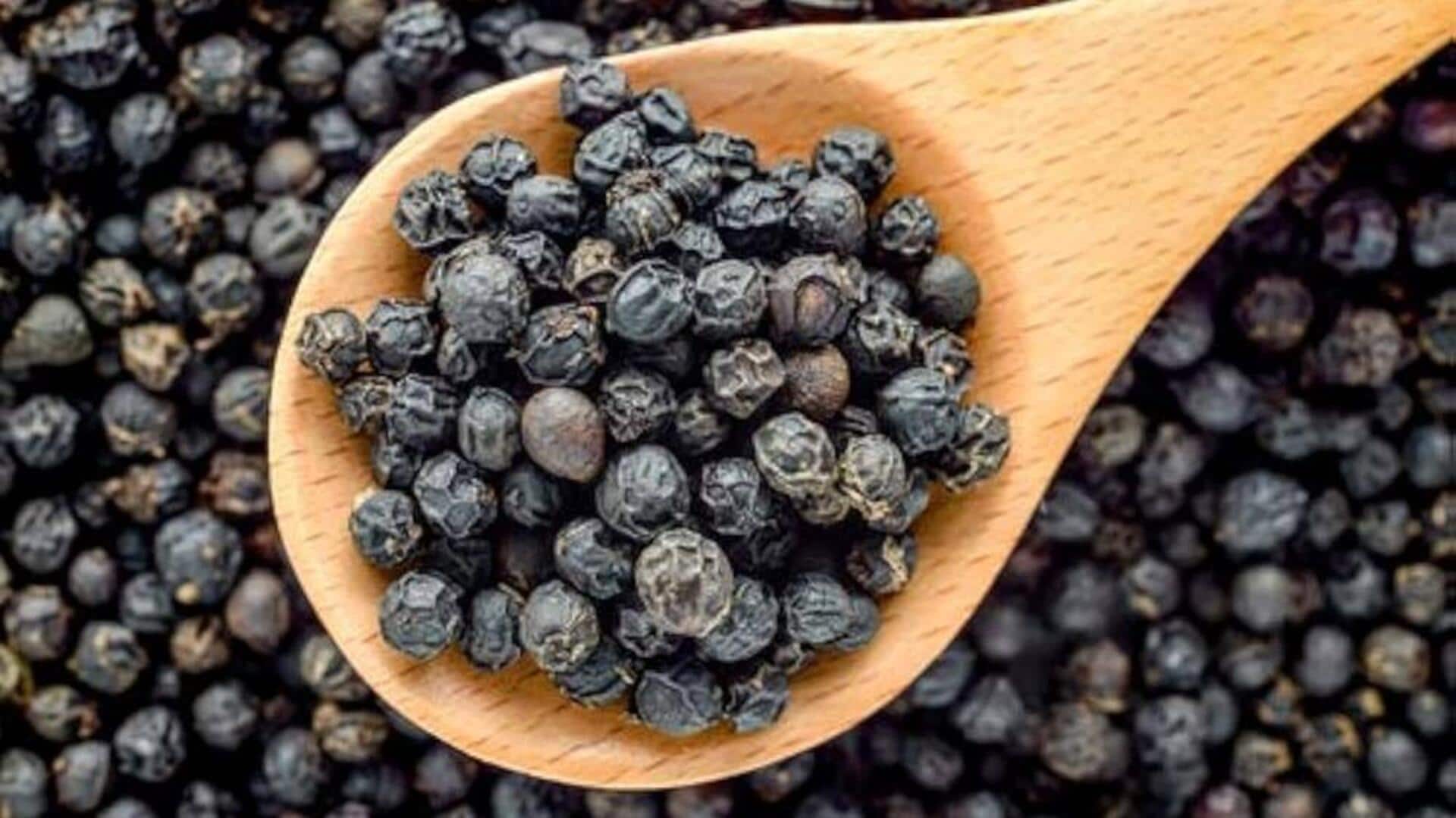
Why you must add black pepper to your daily diet
**Why You Must Add Black Pepper to Your Daily Diet**
*By Anujj Trehaan | Sep 22, 2025, 06:53 PM*
Known as the “king of spices,” black pepper is much more than just a kitchen staple. Packed with antioxidants, it combats oxidative stress and offers numerous health benefits. Here are five compelling reasons why black pepper’s antioxidants make it a must-have in your daily diet.
### 1. Boosts Digestive Health
Black pepper stimulates the production of hydrochloric acid in the stomach, which aids digestion. Effective digestion ensures that nutrients are absorbed efficiently and waste is eliminated properly. Additionally, the antioxidants in black pepper help reduce inflammation in the gut, promoting overall digestive wellness.
### 2. Enhances Nutrient Absorption
The active compound piperine in black pepper enhances the bioavailability of nutrients from other foods. This means that when consumed with nutrient-rich ingredients, black pepper helps your body absorb more vitamins and minerals. For instance, it can increase the absorption of curcumin from turmeric by up to 2,000%. Including black pepper in your meals is a smart way to maximize nutritional benefits.
### 3. Supports Respiratory Health
Traditionally, black pepper has been used to alleviate respiratory issues due to its expectorant properties. Its antioxidants help clear congestion by breaking down mucus in the airways, while its anti-inflammatory effects soothe irritated respiratory passages. This makes breathing easier when dealing with colds or allergies.
### 4. Promotes Skin Health
Thanks to its antioxidant properties, black pepper contributes to healthier skin by combating free radicals, which are responsible for premature aging and skin damage. Regular consumption may help maintain skin elasticity and reduce signs of aging such as wrinkles and fine lines. Moreover, black pepper’s antibacterial qualities can help prevent acne by keeping pores clean and free from bacteria.
### 5. Aids Weight Management
Adding black pepper to your diet may support weight loss efforts through its metabolism-boosting effect called thermogenesis—the process by which the body burns calories faster after consuming certain foods and spices. Piperine not only accelerates metabolic rate but also helps prevent fat storage when combined with regular exercise and a balanced diet focused on a healthy lifestyle.
Incorporate black pepper into your daily meals to enjoy these health benefits and enhance your overall well-being.
https://www.newsbytesapp.com/news/lifestyle/black-pepper-s-antioxidant-power-five-health-benefits-revealed/story
Add these spices to your daily drinks
By Anujj Trehaan | Sep 22, 2025 | 6:31 PM
**Incorporate Daily Spices into Hydrating Drinks to Boost Wellness and Refresh Instantly**
Incorporating daily spices into your hydrating drinks can provide an instant wellness boost and refresh you naturally. These common spices, often found right in our kitchens, offer numerous health benefits when added to beverages. From improving digestion to enhancing immunity, these natural ingredients can transform ordinary drinks into powerful wellness elixirs.
Here’s how you can use some everyday spices to create simple yet effective health-boosting drinks:
—
### Tip 1: Turmeric’s Golden Touch
Turmeric is renowned for its anti-inflammatory properties, largely due to an active compound called curcumin. Adding a pinch of turmeric to warm water or herbal tea can help reduce inflammation and support joint health. For enhanced benefits, combine turmeric with black pepper, which can increase curcumin absorption by up to 2,000%.
This golden spice not only lends a beautiful color to your drink but also promotes overall well-being.
—
### Tip 2: Ginger’s Zesty Kick
Ginger is well-known for its digestive benefits and its ability to ease nausea. Slicing a few pieces of fresh ginger into hot water creates a comforting drink that soothes stomach discomfort and aids digestion.
Moreover, ginger’s spicy warmth improves circulation and provides comforting heat during colder months. Adding ginger to your daily hydration routine is an easy way to enhance gut health.
—
### Tip 3: Cinnamon’s Sweet Warmth
Cinnamon is widely celebrated for its role in regulating blood sugar levels and improving insulin sensitivity. Including a cinnamon stick or a dash of ground cinnamon powder in your morning tea or coffee delivers these benefits along with a delightful sweet aroma—without any added sugar.
Additionally, cinnamon contains antioxidants that help fight oxidative stress in the body.
—
### Tip 4: Cardamom’s Aromatic Flavor
Cardamom imparts a unique aromatic flavor that complements both hot and cold drinks. Known for its detoxifying properties, cardamom helps flush toxins from the body while promoting digestive health.
Simply add crushed cardamom pods or ground cardamom powder to your beverage to enhance flavor and support digestion naturally.
—
### Tip 5: Clove’s Invigorating Essence
Cloves are packed with antioxidants that combat free radicals and promote oral health due to their antibacterial properties, making them a common ingredient in natural mouthwashes.
Adding a few cloves to warm water creates an invigorating essence that assists digestion after meals, without relying on artificial additives. This makes cloves an excellent natural choice for everyday consumption.
—
Incorporating these simple spices into your daily drinks not only elevates flavor but also offers a natural path to improved health and wellness. Enjoy exploring these easy, effective ways to boost your hydration routine!
https://www.newsbytesapp.com/news/lifestyle/daily-spices-for-hydrating-wellness-drinks/story
Can you get your nutrition intake from ‘random leftovers’? A dietitian weighs in
Annie Jacobs-Perkins is a 28-year-old cellist who shares a glimpse into her typical day’s meals and eating habits.
**8:00 AM**
A cup of black coffee starts her day. “I don’t always eat breakfast; today was one of those days,” Annie admits.
**11:45 AM**
For a mid-morning snack, she enjoys homemade pumpkin bread with cream cheese, accompanied by some red plums sourced from a local farmer. “I prioritise plant-heavy meals and local produce,” she explains.
**1:00 PM**
Lunch consists of a variety of random leftovers: lentil curry, tofu salad, kimchi, sprouts, salad, and a few bites of local cheddar cheese.
**4:30 PM**
While on a family holiday, Annie visits an Amish food stand called Sharps Market in Adams, New York, to pick up fresh fruit, vegetables, and cheese. At home, the family shares half a watermelon. They save the rinds, which Annie is fermenting into watermelon rind pickles using gochujang and garlic.
**6:30 PM**
Dinner features grilled corn, beans, and peppers tossed into a salad with lime juice and tomatoes. She also roasts chickpeas and butter beans with salt, pepper, and olive oil. The roasted chickpeas and salad are served on a bed of yoghurt mixed with lemon juice, ricotta cheese, and garlic.
**10:00 PM**
Annie ends the day with a sweet treat: a bowl of vanilla ice cream drizzled with maple syrup.
—
**Expert Nutrition Insights**
Dr Joanna McMillan praises Annie’s eating habits:
“Top marks for your strong focus on local produce and the wide variety of plant foods. I love how you use up leftovers and your home-fermenting, which both reduces waste and promotes emerging gut and immune health benefits.”
However, Dr McMillan also offers some advice for continued health:
“If you keep eating like this, you’ll need to watch your iron intake, which can be low for women in their 20s if animal foods are limited. Without fish or seafood, your omega-3 intake is also on the low side. While dairy supplies some high-quality protein, the lack of eggs, meat, or seafood means you need to be mindful of replacing or supplementing certain nutrients.”
She suggests a few practical tips:
– Increase your intake of iron-rich plant foods such as lentils, beans, pumpkin seeds, and dark leafy greens.
– Pair these with vitamin C-rich foods to boost iron absorption.
– Consider a marine algae omega-3 supplement if fish isn’t on the menu.
– For extra protein variety, try nut butters, tempeh, or quinoa.
—
Annie Jacobs-Perkins will perform in the Sydney Opera House’s Utzon Music series on October 12.
—
Get the best of Sunday Life magazine delivered to your inbox every Sunday morning. [Sign up here](#) for our free newsletter.
https://www.brisbanetimes.com.au/lifestyle/health-and-wellness/can-you-get-your-nutrition-intake-from-random-leftovers-a-dietitian-weighs-in-20250903-p5mrzx.html?ref=rss&utm_medium=rss&utm_source=rss_feed