Tag Archives: superconducting

Princeton builds a qubit that lasts 1,000 times longer than today’s chips

In a groundbreaking leap toward practical quantum computers, engineers at Princeton University have created a superconducting qubit that lasts over one millisecond—three times longer than any previously recorded qubit and about 15 times longer than those used in commercial systems today. Published in *Nature*, this research marks the largest improvement in qubit stability, or “coherence time,” in more than a decade.

Quantum computers promise to solve problems that are impossible for even the most powerful traditional supercomputers, such as modeling complex molecules or optimizing massive data systems. However, today’s machines are still experimental, largely because the building blocks of these systems—qubits—lose their quantum information too quickly to perform useful calculations.

“The real challenge, the thing that stops us from having useful quantum computers today, is that you build a qubit and the information just doesn’t last very long,” said Andrew Houck, Princeton’s dean of engineering and co-principal investigator. “This is the next big jump forward.”

### A Major Improvement in Qubit Longevity

The Princeton team’s new qubit lasts more than one millisecond, compared with the typical 70 microseconds for current large-scale processors. While a millisecond might seem short, in quantum computing it represents a massive improvement—enough time to perform far more calculations before errors build up.

Better qubits mean more reliable systems and pave the way toward large-scale, error-corrected quantum computers.

### The Science Behind the Breakthrough

This breakthrough came from a new combination of materials. The Princeton researchers used a metal called tantalum for the circuit and paired it with ultra-pure silicon as the base, replacing the sapphire substrates commonly used in the field.

Tantalum, a rare and extremely stable metal, resists contamination during chip fabrication and has fewer microscopic defects that can trap and waste energy.

“You can put tantalum in acid, and still the properties don’t change,” said postdoctoral researcher Faranak Bahrami, one of the study’s lead authors. “It’s incredibly robust.”

This combination allows fragile quantum circuits—known as transmon qubits—to preserve energy far longer. Transmon qubits are already used by major companies like Google and IBM, and Princeton’s new design is fully compatible with existing systems.

“If you swapped Princeton’s components into Google’s best processor, it would work a thousand times better,” said Houck. “And as we add more qubits, the benefits grow exponentially.”

### Overcoming Energy Losses in Quantum Hardware

Quantum hardware typically fails because of energy loss caused by tiny surface imperfections in the metals and materials used. These defects absorb energy as it moves through the circuit, leading to errors that multiply as more qubits are added.

By using tantalum, which naturally forms a protective oxide layer and contains fewer of these defects, the Princeton team dramatically reduced these energy losses. Replacing sapphire with silicon further improved performance since silicon can be manufactured with exceptional purity and is already the cornerstone of the computing industry.

Together, these changes unlocked new performance levels never before seen in superconducting circuits.

### The Team Behind the Innovation

The project was led by Houck and Nathalie de Leon, co-director of Princeton’s Quantum Initiative. They collaborated with Princeton chemist Robert Cava, an expert in superconducting materials.

Cava, who had no prior experience with quantum computing, was inspired by a talk from de Leon and suggested tantalum as a promising material.

“Then she went and did it,” Cava said. “That’s the amazing part.”

Their work builds on a 2021 collaboration that first demonstrated tantalum’s potential. This latest study takes it further by adding silicon and refining fabrication techniques to achieve record-breaking performance.

### Ready for Industrial Scaling

“Our results are really pushing the state of the art,” said de Leon. “And the best part is that this design is ready for industrial scaling—it’s easy to manufacture and fits right into existing production systems.”

Michel Devoret, chief scientist for hardware at Google Quantum AI and winner of the 2025 Nobel Prize in Physics, praised the achievement.

“The challenge of extending the lifetimes of quantum circuits had become a graveyard of ideas for many physicists,” he said. “Nathalie really had the guts to pursue this strategy and make it work.”

### A Blueprint for the Future of Quantum Computing

By showing that tantalum-silicon qubits can achieve long coherence times in a scalable form, the Princeton team has provided the blueprint for the next generation of quantum processors.

“We’ve shown it’s possible in silicon,” de Leon said. “That means anyone building large-scale systems can now adopt these methods. It’s a major step toward making quantum computers truly useful.”
https://knowridge.com/2025/11/princeton-builds-a-qubit-that-lasts-1000-times-longer-than-todays-chips/


The Future of Propellantless Space Travel

For over a century, rocket propulsion has followed a simple principle: burn fuel, expel it backward, and Newton’s third law pushes you forward. Since Konstantin Tsiolkovsky first formulated the rocket equation in 1903, spacecraft have carried their propellant with them. This necessity has limited mission capabilities by mass ratios. The more fuel you carry, the heavier your rocket becomes, requiring even more fuel to lift that extra weight—a vicious cycle that makes interstellar travel seem impossibly distant.

But what if spacecraft didn’t need to carry propellant at all? That’s the tantalizing possibility explored in a comprehensive new review examining propellantless propulsion methods for space exploration. These systems tap into natural forces and external energy sources rather than chemical combustion, potentially enabling missions that would be completely impossible with conventional rockets.

### Gravity Assist: The Oldest Propellantless Technique

The simplest propellantless technique, which has been used for decades, is the gravity assist. By carefully timing a close approach to a planet, engineers can steal a tiny fraction of that world’s orbital momentum, flinging the spacecraft to higher speeds without burning fuel. The Voyager probes famously used this maneuver to visit all four outer planets.

This technique works brilliantly, but it requires planets to be in exactly the right positions, making mission opportunities rare and trajectories inflexible.

*The Voyager spacecraft successfully used gravity assist to tour the outer planets (Credit: NASA/JPL).*

### Solar Sails: Harnessing Sunlight for Continuous Thrust

Solar sails offer a more continuous and convenient propulsion method by harnessing radiation pressure from sunlight. These enormous membranes reflect photons to generate thrust, accelerating slowly but persistently without any fuel consumption.

Japan’s IKAROS probe demonstrated this technology in 2010, successfully traveling to Venus on sunlight alone. However, solar sails require vast, ultra-thin materials that must survive harsh space conditions for years. Their performance also drops dramatically with distance from the Sun.

*IKAROS, the Japanese satellite that demonstrated the solar sail (Credit: JAXA).*

### Magnetic Sails: Pushing Against the Solar Wind

Magnetic sails take a different approach by using superconducting loops to generate powerful magnetic fields that deflect the solar wind—a stream of charged particles constantly flowing from the Sun. By pushing against this plasma, magnetic sails create thrust without consuming propellant. They potentially offer better acceleration than solar sails and wouldn’t degrade over time like reflective membranes.

The catch? Creating the necessary magnetic field requires enormous superconducting coils, potentially 50 kilometers in radius, maintained at cryogenic temperatures. The technology to build and deploy such structures simply doesn’t exist yet.

### Electric Sails: Using Charged Tethers to Repel Solar Particles

Electric sails represent a newer variant, using charged tethers rather than magnetic fields to repel solar wind protons. These systems promise lighter spacecraft than magnetic sails. However, they depend on deploying extremely long, lightweight wires and require significant electrical power to maintain the necessary charge.

### Challenges and Prospects

Each propellantless method offers unique advantages while facing distinct engineering hurdles:

– **Gravity assists** work now but demand precise planetary alignments.
– **Solar sails** provide steady thrust but need massive, delicate structures.
– **Magnetic and electric sails** avoid material degradation but call for technologies still in development.

The review makes clear that no single approach solves every challenge. However, together, these methods could fundamentally transform how we explore the solar system and beyond. For truly ambitious missions to interstellar space, leaving propellant behind may not just be advantageous—it may be absolutely essential.
https://www.universetoday.com/articles/the-future-of-propellantless-space-travel

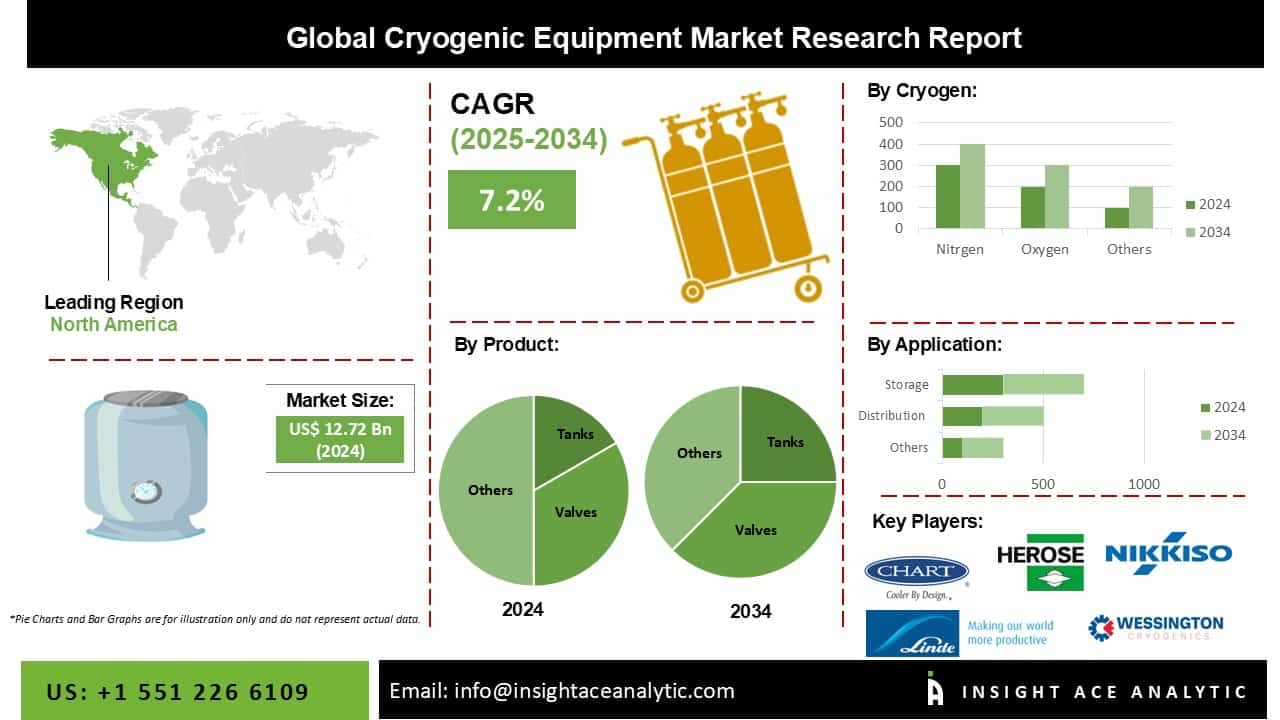
Cryogenic Equipment Market Know the Scope and Trends

**InsightAce Analytic Pvt. Ltd. Announces Release of Market Assessment Report on Global Cryogenic Equipment Market**

InsightAce Analytic Pvt. Ltd. has announced the release of a comprehensive market assessment report titled:

**“Global Cryogenic Equipment Market Size, Share & Trends Analysis Report By Product (Tanks, Valves, Pumps & Vaporizers, Vacuum Jacket Piping (VJP)), By Cryogen (Nitrogen, Oxygen, Argon, And Liquefied Natural Gas), By Application (Distribution And Storage), By End-Use (Oil & Gas, Metallurgy, Automotive, Food & Beverage, And Chemical) – Market Outlook And Industry Analysis 2034.”**

The global cryogenic equipment market is estimated to reach over **USD 25.25 billion by 2034**, exhibiting a **CAGR of 7.2%** during the forecast period.

### Overview of Cryogenic Equipment

Cryogenic equipment is utilized to facilitate the production and handling of substances at extremely low temperatures. This equipment finds applications across various sectors, including:

– Storage and transportation of liquefied gases
– Food preservation
– Cryosurgery
– Superconducting electromagnets

Increasing investments in liquefied natural gas (LNG) power plants aimed at generating sustainable energy are anticipated to drive greater adoption of cryogenic systems.

The rising integration of renewable energy sources into infrastructure has amplified the need for efficient energy storage solutions across industries. Cryogenic Energy Storage (CES) is expected to play a pivotal role in this context, particularly when paired with renewable power generation, thereby propelling global demand for cryogenic technologies.

**Request For Free Sample Pages**

### List of Prominent Players in the Cryogenic Equipment Market

– Air Liquide S.A.
– Air Products Inc.
– Abhijit Enterprises
– Beijing Tianhai Industry
– Braunschweiger Flammenfilter GmbH
– Chart Industries Inc.
– Cryofab Inc.
– Cryogas Equipment
– Cryogenic Liquide
– Cryolor SA
– Cryoquip LLC
– Cryostar
– Emerson Electric
– Graham Partners
– Fives
– Flowserve Corporation
– Galileo Technologies S.A.
– Herose GmbH
– INOX India Ltd., INOXCVA
– IWI Cryogenic Vaporization Systems (India)
– Lapesa Grupo Empresarial s.l
– Linde Group AG
– MAN Energy Solutions SE
– Nikkiso Co. Ltd.
– Oswal Industries Limited
– Oxford Instruments
– PACKO Industry
– Parker Hannifin
– Premier Cryogenics Ltd.
– SAS Cryo Pur
– Schlumberger Limited
– Shell-n-Tube
– SHI Cryogenics Group
– Sinocleansky
– Standex International
– Super Cryogenic Systems
– The Weir Group PLC
– Ulvac Technologies, Inc.
– Vacker LLC
– VRV SPA
– Wessington Cryogenics

### Market Dynamics

#### Drivers

The increasing demand for renewable energy is expected to significantly drive the growth of the cryogenic equipment market in the coming years. Applications involving the transportation, storage, and regasification of gases for clean energy generation present considerable opportunities for market expansion.

Additionally, the growth of the healthcare sector in emerging economies and substantial investments in the metallurgical, chemical, and petrochemical industries are anticipated to support increased adoption of cryogenic systems.

#### Challenges

Cryogenic equipment typically consists of stainless-steel components, including pressure containment tubes and static support shafts. However, substituting these stainless-steel elements with advanced glass/epoxy composite materials could enhance system efficiency.

Despite this potential, the market faces constraints such as:

– Stringent regulations aimed at reducing hazardous greenhouse gas (GHG) emissions from the steel industry
– Price volatility caused by fluctuating crude oil supply and demand

### Regional Trends

– **Asia Pacific:** The Asia Pacific region is projected to dominate the cryogenic equipment market in terms of revenue. This is supported by shifting consumer behaviors, favorable government policies promoting sustainable development, and substantial investments in industrial infrastructure. The increasing energy demand in the region, combined with a growing emphasis on renewable power sources, is driving the deployment of gas-fired power plants.

– **North America:** Particularly in the United States and Canada, the LNG export sector holds significant potential. With the gradual decline in coal availability, LNG-powered plants are gaining traction, creating promising opportunities for cryogenic equipment. The expected rise in gas demand, especially in industrial and power generation sectors, will further propel regional market expansion.

### Recent Developments

In June 2021, TECO 2030 and Chart Industries, Inc. signed a Memorandum of Understanding (MoU) to collaborate on the development of technological solutions to capture and store carbon dioxide (CO2) emitted by ships.

The deal outlines a three-year joint development plan to create onboard carbon capture systems for ships using Cryogenic Carbon Capture (CCC) technology developed by SES, which Chart acquired in December 2020.

### Segmentation of Cryogenic Equipment Market

**By Product:**
– Tanks
– Valves
– Pumps & Vaporizers
– Vacuum Jacket Piping (VJP)
– Others

**By Gas:**
– Nitrogen
– Oxygen
– Argon
– Liquefied Natural Gas (LNG)
– Others

**By Application:**
– Distribution
– Storage

**By End-Use:**
– Oil & Gas
– Metallurgy
– Automotive
– Food & Beverage
– Chemical
– Other

**By Region:**

– **North America:** US, Canada, Mexico
– **Europe:** Germany, UK, France, Italy, Spain, Rest of Europe
– **Asia-Pacific:** China, Japan, India, South Korea, Southeast Asia, Rest of Asia Pacific
– **Latin America:** Brazil, Argentina, Rest of Latin America
– **Middle East & Africa:** GCC Countries, South Africa, Rest of the Middle East and Africa

### About InsightAce Analytic Pvt. Ltd.

InsightAce Analytic is a market research and consulting firm that enables clients to make strategic decisions. Our qualitative and quantitative market intelligence solutions help identify market needs and competitive factors to expand businesses successfully.

We assist clients in gaining a competitive advantage by identifying untapped markets, exploring new and competing technologies, segmenting potential markets, and repositioning products.

Our expertise lies in providing syndicated and custom market intelligence reports with in-depth analysis and key market insights delivered in a timely and cost-effective manner.

### Contact Us

– **Email:** info@insightaceanalytic.com
– **Website:** [www.insightaceanalytic.com](http://www.insightaceanalytic.com)
– **Phone:** +1 607 400-7072 (USA) | +91 79 72967118 (Asia)

Follow us on social media: [Twitter](https://twitter.com/InsightAce)

*Curious about this latest version of the report? Get in touch to learn more or request your free sample pages today!*
https://www.prnewsreleaser.com/news/115880