Category Archives: government

The inner pandemic

We all remember the visible battle—the haunting quiet of empty streets; the muffled voices behind masks; the endless news updates counting lives and losses. During those long months, our mission as a nation was clear: protect our bodies, flatten the curve, and survive.

Pakistan, like many nations, showed remarkable courage. Our doctors, nurses, and volunteers worked tirelessly; communities rallied to support one another; and faith carried millions through uncertainty. But as the physical threat of Covid-19 faded, another quieter crisis emerged—one that affects minds, hearts, and communities. It is the crisis of mental and emotional well-being.

### The Hidden Crisis: Mental Health After Covid-19

The trauma of a health emergency does not vanish when the lockdowns end. Covid-19 was not only a medical or economic disaster; it was a deep psychological shock. Anxiety, grief, isolation, and exhaustion became part of everyday life.

The traces remain visible across the country: in the mother in Lahore who still feels anxious in crowded places; in the university student in Karachi, Peshawar, Balochistan, and Gilgit Baltistan, struggling with concentration and mental fog. These are the unseen wounds of what experts call the shadow pandemic—a surge in mental health problems worldwide.

In Pakistan, where the topic of mental health has long carried stigma and silence, this invisible crisis poses one of the biggest public health challenges of our time.

### Why Crises Shake Our Inner World

Health emergencies like Covid-19 shake the psychological foundations of daily life. Several factors contribute:

– **Loss of Safety and Control:** Overnight, routines vanish. The sense of predictability—essential for mental stability—disappears, leaving behind anxiety and helplessness.

– **Disconnection:** Our culture thrives on social connections—gatherings, family visits, community prayers. Lockdowns disrupted these lifelines, breeding loneliness.

– **Distorted Mourning:** Thousands lost loved ones without proper goodbyes or funerals. The lack of closure left many with unresolved grief.

Covid-19 and other health emergencies made one truth undeniable: there is no health without mental health. Yet, mental health remains one of the most neglected sectors in Pakistan.

### The Mental Health Care Gap in Pakistan

We face an acute shortage of mental health professionals. Clinically qualified psychologists, counsellors, and psychiatric nurses are even fewer. This shortage means millions struggling with depression, anxiety, or trauma have little access to care.

During the pandemic, many suffered silently, unable to find or afford help.

### The Way Forward

Given this shortage, Pakistan cannot rely solely on specialist-based care. We need a shift—from an individual clinical model to a public mental health approach—where mental well-being becomes everyone’s responsibility, not just the psychiatrists’.

In this model, mental health is integrated into primary healthcare, schools, workplaces, and community networks. Frontline health workers, teachers, religious leaders, and social volunteers can be trained to identify distress early, provide psychological first aid, and refer people for help when needed.

This approach relies heavily on **task-shifting**: empowering non-specialists through structured training to deliver basic mental health support. The World Health Organization’s mhGAP programme and PM+ are good examples.

Pakistan must adapt such frameworks to its own culture and social realities. We need locally developed modules—in Urdu and regional languages—that reflect our values, beliefs, and community structures.

Training lady health workers, school teachers, and faith-based counsellors can bridge the massive treatment gap and bring mental healthcare closer to the people.

The trauma of a health emergency does not vanish when the lockdowns end. Covid-19 was not only a medical or economic disaster; it was a deep psychological shock. This public mental health strategy can become a cornerstone of Pakistan’s broader health preparedness.

It is practical, affordable, and sustainable—a way to protect minds as we protect bodies.

### A National Preparedness Plan for Mind and Body

As the world braces for future health emergencies—from viral outbreaks to climate-related disasters—Pakistan must build resilience not just in hospitals but also in hearts and minds.

A National Preparedness and Response Plan should include a strong mental health component, ensuring that psychosocial support is part of every health emergency. This means:

– Establishing mental health desks in hospitals and emergency centres.
– Training healthcare providers in psychological first aid.
– Including mock preparedness drills that test not only logistical readiness but also emotional resilience.
– Setting up community-based counselling and helplines during crises.

Preparedness is not only about ventilators and vaccines; it is also about equipping people to manage fear, loss, and uncertainty. Mock drills and proactive planning can reduce harm, strengthen resilience, and preserve the mental health fabric of our society.

### Pathways to Healing

Recovery is both a national and personal journey. Healing begins when we collectively acknowledge the emotional cost of crises and invest in our inner well-being.

– **Acknowledge to Heal:** Accepting that we are affected—anxious, sad, or drained—is not weakness; it is the first step towards recovery.
– **Rebuild Human Connection:** After years of distancing, rekindling relationships is vital. A kind word or shared meal can restore belonging.
– **Protect Your Mind:** Limit exposure to distressing media; prioritise rest; and spend time in nature or prayer.
– **Seek Help Without Shame:** Therapy and counselling should be seen as normal healthcare, not a stigma.
– **Community Care:** Schools, mosques, workplaces, and the media can all play roles in spreading awareness and reducing stigma.

### Lessons from the Pandemic

Covid-19 was a mirror that reflected our vulnerabilities—not only medical but emotional. It reminded us that true health is holistic, encompassing both the physical and the psychological.

As Pakistan rebuilds its economy and health systems, mental health must be at the centre of policy and planning. National campaigns should promote mental health literacy; schools should include emotional education; and every public health initiative should have a psychological well-being arm.

Most importantly, for policymakers: if we invest in mental health today, we will save lives—not only from suicide or depression but also from the ripple effects of future crises.

### Towards Resilience

True recovery from the pandemic will not only be measured in economic terms but in how we healed as a people—in our compassion, our calm, and our ability to face the next challenge with courage.

A nation’s resilience begins with the mental resilience of its citizens. When minds are strong, communities thrive; when emotional health is valued, societies prosper.

Let us remember: **there is no health without mental health.**

With good mental health, we can face—and overcome—any health crisis that comes our way.
https://www.thenews.com.pk/tns/detail/1350038-the-inner-pandemic
More saber-rattling

Driven by the political exigency of the Bihar elections, India’s leadership has reignited an old fire. Prime Minister Narendra Modi’s invocation of Operation Sindoor and threats to change geographies have been followed by his defence minister’s explicit threat regarding the Sir Creek. This is reckless brinkmanship.

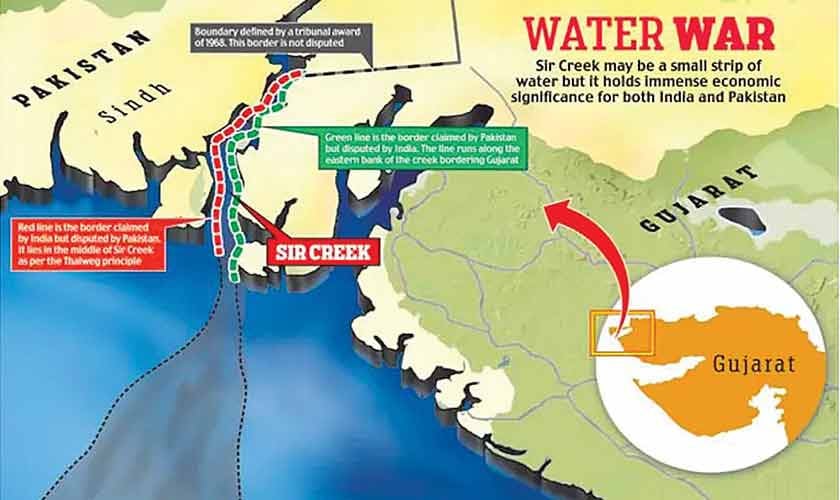
The Sir Creek area is a 96-kilometre-long tidal estuary located in the Indus Delta, forming part of the border between Sindh and India’s Gujarat. It is among Pakistan’s most strategically crucial and ecologically sensitive areas. Lying at the edge of the Indus River Delta, vital shipping routes and fishing grounds, it holds significant economic and geopolitical importance. Its proximity to the international maritime boundary with India makes it a geopolitically sensitive zone.

Control of Sir Creek is essential for safeguarding Pakistan’s maritime boundaries and preserving its exclusive economic zone (EEZ), which is abundant in marine resources. The estuary’s ever-shifting tidal surges and sediment deposition render nautical charts unreliable and navigation challenging. To secure the frontier, naval and marine personnel must conduct frequent surveillance and patrols, often in hovercraft and boats, even on foot, through the treacherous terrain.

Pakistan claims rights, in accordance with the Bombay Government Resolution of 1914, to the entire waters surrounding and fed by the creek, says Rear Admiral Foad Baig, a former director general of Pakistan Maritime Security Agency. This agreement, part of the Surveyor General’s Map, fixed the border on the creek’s eastern bank. Pakistan’s position is, therefore, based on upholding this pre-existing, fixed boundary. It has argued that the Thalweg principle, which places the boundary mid-stream, is inapplicable as the creek is a non-navigable estuary and the border was never intended to shift with the channel.

Demonstrating its commitment to a peaceful solution, Pakistan prioritised bilateral resolution. This led to a joint survey in 2007 and an exchange of agreed-upon maps. However, this process was stopped when, following the Mumbai terrorist attacks, India withdrew in 2008.

Despite the Indian position on Sir Creek, Pakistan’s claim to an extended Continental Shelf 150 NM beyond the EEZ was accepted in March 2015. This granted Pakistan 50,000 sq km of seabed territory, giving legal control over natural resources in this offshore area, says Rear Admiral Foad Baig.

The Sir Creek dispute dates back to the April 1965 Rann of Kutch battle. Some 20 years ago, the Pakistan Navy established its Coastal Command. The strategic initiative was designed to enhance amphibious and expeditionary warfare capabilities and ensure naval readiness. Pakistan Marines were raised about two decades ago and mandated to defend the creeks area southeast of Karachi, he adds.

Pakistan Marines operate in one of the most challenging environments worldwide. Rear Admiral Baig says, for the forces deployed here, the Sir Creek sector is a relentless, physical trial. It is a world of oozing mudflats where the ground shifts with the tides. Tactics are shaped by these constant transformations.

The marines conduct relentless patrols and surveillance, navigating the difficult terrain to monitor activity and gather intelligence. Their deployment in this fluid and strategically vital border is critical to defend against infiltration, smuggling, and illegal fishing, he says.

The marines endure exceptionally harsh conditions defined by oppressive humidity, scorching heat, and salt-laden winds. The unstable, waterlogged terrain rules out conventional roads, making small boats and hovercraft the sole lifelines for transport and supply.

Baig says the difficult geography also affords strategic advantage. “The marshy land forbids any rapid ingress of the enemy,” he says. “Also, the environment offers excellent opportunities for camouflage. We have better geography on our side, making operations a little more convenient.”

As both navies maintain a forward posture, deployment is no longer limited to periods of hostility. Pakistan Marines remain in a state of perpetual readiness, sustaining a forward presence to enable strategic deployment beyond primary bases.

To maintain a high level of vigilance, the Navy and the Marines employ a robust, integrated surveillance architecture. Through round-the-clock Marine Domain Awareness, the Navy maintains real-time tracking and monitoring of hostile navies, he says. Intelligence flows seamlessly from this system, ensuring tactical and operational flexibility.

This intelligence is constantly fed to layered defences comprising long-range missiles, air defence systems, an unmanned force, and drone units. This is meant to deny the element of surprise to enemy forces.

Despite the Indian position on Sir Creek, Pakistan’s claim for an extended Continental Shelf 150 NM beyond the EEZ was accepted in March 2015. This added 50,000 sq km of seabed territory, granting legal control over natural resources in this offshore area.

Rear Admiral Foad Baig says Pakistan’s operational planning employs innovative tactical approaches that leverage the complex creek terrain to neutralise the adversary’s numerical advantage. Being a porous zone, Sir Creek could be targeted for a false-flag operation. Rear Admiral Baig highlights this is a persistent risk.

This could involve a fabricated account of an incident involving a fisherman’s boat or aggressive maneuvers targeting the Karachi Port. Alternatively, there may be an attempt to infiltrate the defences so that saboteurs can strike key harbour infrastructure. Such tactics and strategies have been war-gamed repeatedly, he says.

Through plans integrated with the Pakistan Army and Air Force, the Pakistan Marines maintain a qualitative edge. “We have no aggressive designs against anyone, but by the Grace of Allah, we can effectively blunt any mischief in a befitting manner.”

This vigilant posture is deemed essential as India is building up its military presence in the area, bringing more BSF units, naval assets, and special operations (MARCOS) forces along the coast. The Indian mobilisation has been supported by infrastructure upgrades and air bases. In the face of this mobilisation, the Pakistan Navy and Pakistan Marines have maintained a robust and resilient watch.

**Recent Threats**

Responding to recent statements by Indian leaders with regard to Karachi and Port Qasim, the Inter-Services Public Relations (ISPR) said: “The people and Armed Forces of Pakistan have the capability and resolve to take the fight to every nook and corner of the enemy’s territory.”

Several months ago, Lt Gen Ahmed Sharif Chaudhry had highlighted this capability by emphasising Pakistan’s potential to strike deep into India, particularly targeting its industrial base in the east. He had warned that in the event of an Indian misadventure, Pakistan could retaliate with precision strikes against counter-value targets in India’s military-industrial complex, including eastern economic hubs such as Kolkata, Jamshedpur, and Bhubaneswar, which remain within reach of missiles fired from the Karachi harbour.

These assertions of military capability are framed by a deepening apprehension over Indian intentions. In a stark assessment of regional tensions, former ambassador Naghmana Hashmi highlights a grave warning issued by Pakistan’s former National Security Advisor Nasir Janjua. Janjua has said that India is capable of launching a missile attack on Pakistan.

Hashmi expresses particular concern that Prime Minister Modi, preoccupied apparently with the upcoming Bihar election, might resort to dangerous actions for domestic political gain. The schedule of the Bihar elections makes the threat immediate. Modi could use a limited military strike to rally nationalist voters, she says.

Hashmi cautions against dismissing Indian threats as mere electoral rhetoric, noting that Modi and the Indian military leadership could use kinetic force to avenge the enormous humiliation faced by them. The aggressive posturing comes at a delicate time for India, as it navigates growing friction with the United States, a key strategic partner.

While these bilateral tensions are likely a temporary strain rather than a lasting rupture, they add pressure on New Delhi. The US is not going to abandon its broad strategic plans for the region, which depend heavily on India as a counterweight to China.

Hashmi says that the May 2025 conflict exposed India’s vulnerability and weaknesses across various domains. She says the US stance is a clear message to India to deliver on its side of the strategic partnership and unequivocally side with the West against China and Russia.

Hashmi says that preventing Sindoor-2 requires demonstrating matching preparedness. Pakistan must strengthen its defences and regional alliances to deter India’s ambitions and ensure stability in the face of geopolitical shifts.
https://www.thenews.com.pk/tns/detail/1350033-more-saber-rattling

Tamaki Rules Out Alliance With CDP

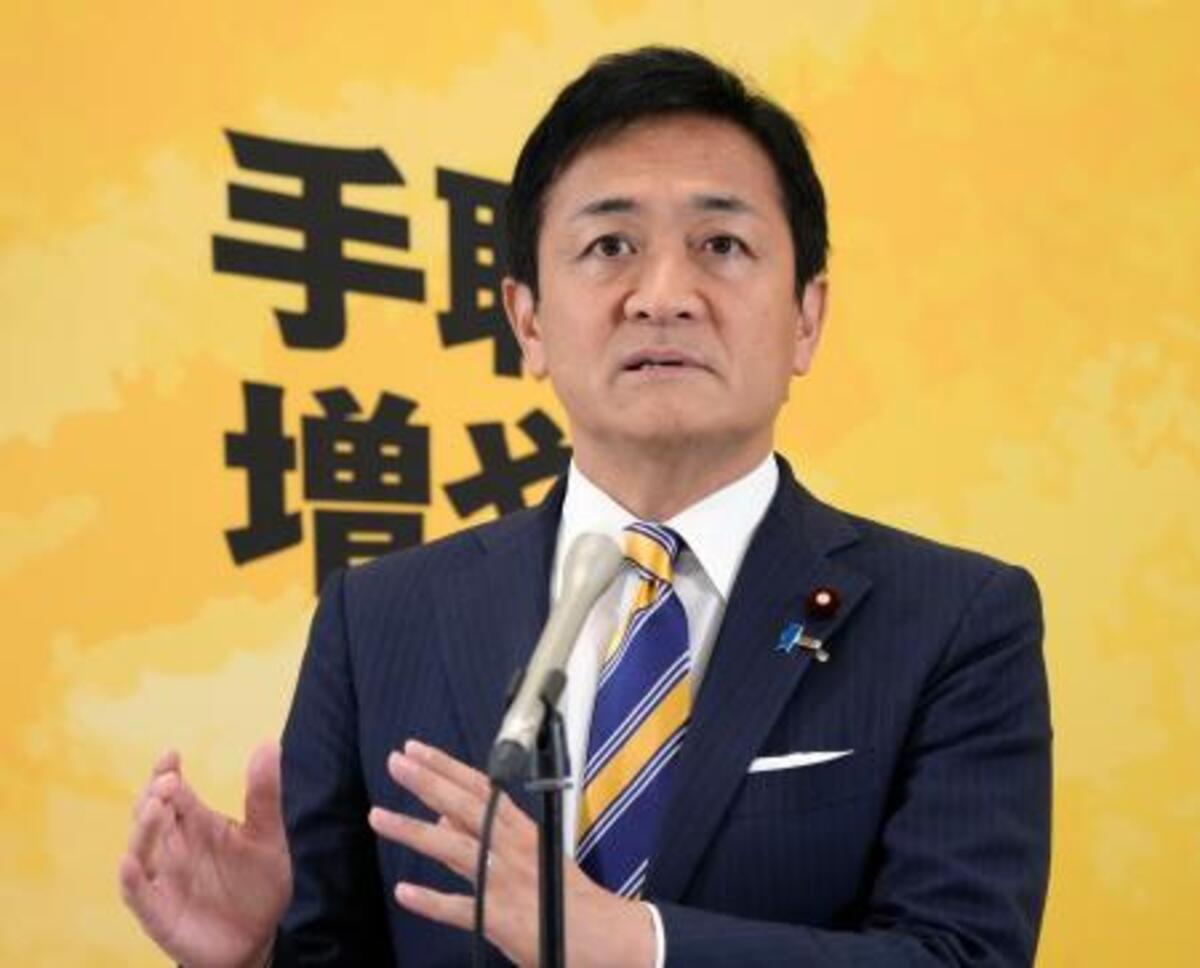
TOKYO, Oct 12 — The Democratic Party for the People leader Yuichiro Tamaki reaffirmed on October 11 that his party will not cooperate with the Constitutional Democratic Party of Japan (CDP) in unifying opposition candidates for the upcoming prime minister designation vote in the next extraordinary Diet session.

Tamaki stated, “We cannot work with the current CDP. Our basic policies are fundamentally different.”

The CDP has been calling on other opposition parties to rally behind a single candidate for the prime minister selection and has reportedly told the Democratic Party for the People that Tamaki himself is a strong contender. However, Tamaki reiterated that his party would not accept the proposal, citing major differences in core policies, including national security and nuclear energy.

In response, CDP Secretary-General Jun Azumi pointed out that both parties, along with their largest backer Rengo, had already agreed in April on “basic policies concerning the nation’s core principles” and issued a joint statement.

“We have already formed a common position, so there is no point in debating what should be done now,” Azumi said.
https://newsonjapan.com/article/147243.php

【野党連携】立民、首相指名一本化急ぐ 玉木氏慎重、実現見通せず

【野党連携】立憲民主党、首相指名の一本化急ぐも玉木氏は慎重―実現の見通せず

2025年10月12日 0:14(更新 0:16)
※この記事は有料会員限定です。

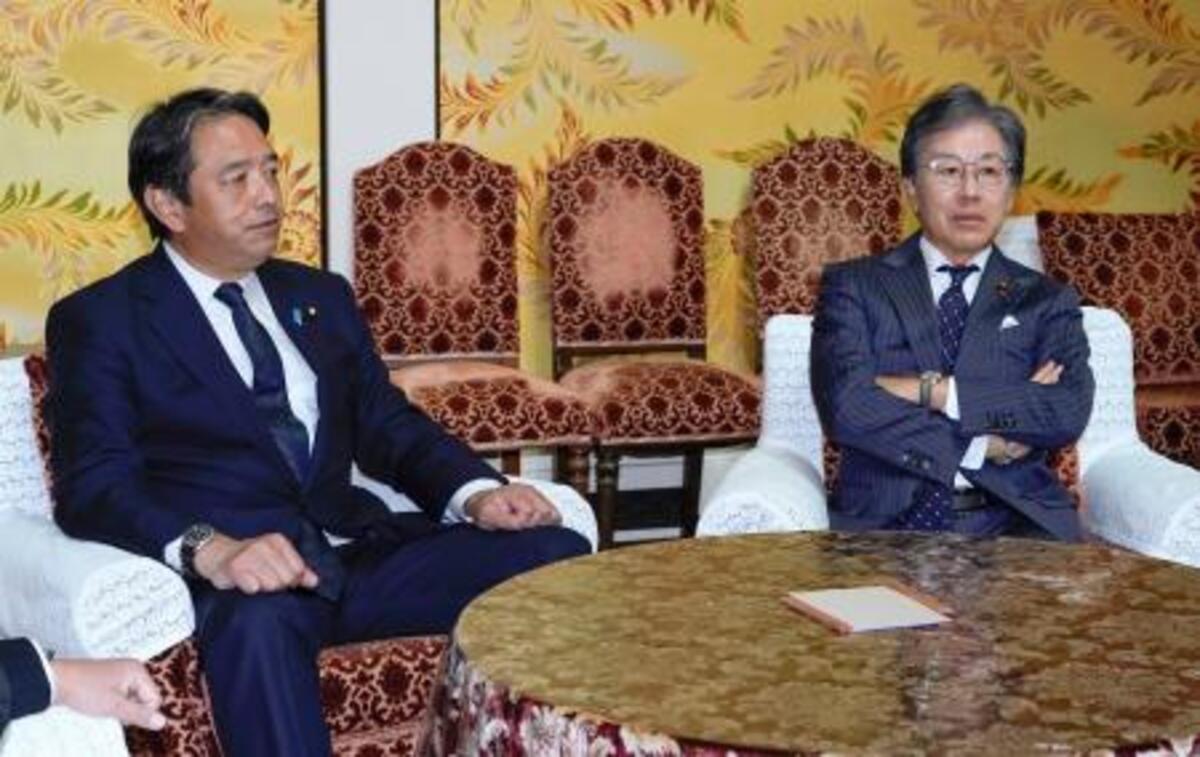
2025年10月8日、国会内で会談に臨む立憲民主党の安住淳幹事長(右)と国民民主党の榛葉賀津也幹事長の様子が報じられた。

立憲民主党は、石破茂首相の後任を選出する首相指名選挙を巡り、国民民主党の玉木雄一郎代表への候補者一本化を目指し、野党間での調整を急いでいる。

今回の動きは、公明党が自民党との連立から離脱したことによって勝敗ラインが変わり、野党側にとって首相選出の勝算がやや高まったことを受けたものだ。

しかし、玉木代表は首相候補としての一本化に慎重な姿勢を示しており、野党内での調整が最後までスムーズに進むかは依然として不透明だ。

今後の動向については、各党の意向や今後の情勢変化を注視する必要がある。

※この記事は有料会員限定のため、全文を読むには会員登録が必要です。
7日間の無料トライアルを利用すると、1日わずか37円で読み放題。さらに年払いプランならよりお得にご利用いただけます。
https://www.nishinippon.co.jp/item/1410392/

「公明は高市氏にアレルギー」 野村元農相が見方、連立離脱巡り

政治:「公明は高市氏にアレルギー」 野村元農相が見方、連立離脱巡り

2025年10月11日 18:06(18:08更新)[有料会員限定記事]

自民党の野村哲郎元農相は11日、公明党の連立政権からの離脱表明について、高市早苗総裁の保守的な言動が影響したとの見方を示した。

鹿児島市での党会合で野村氏は「(新総裁が)高市氏で良かったのか悔やまれてならない」と語った。

(この記事は有料会員限定です。残り122文字。7日間無料トライアルあり。1日37円で読み放題。年払いならさらにお得。)

https://www.nishinippon.co.jp/item/1410284/

【首相の戦後80年所感】退任直前、レガシーに固執 自民保守派へ配慮にじむ

2025/10/11 9:52 (2025/10/11 9:53 更新)

[有料会員限定記事]

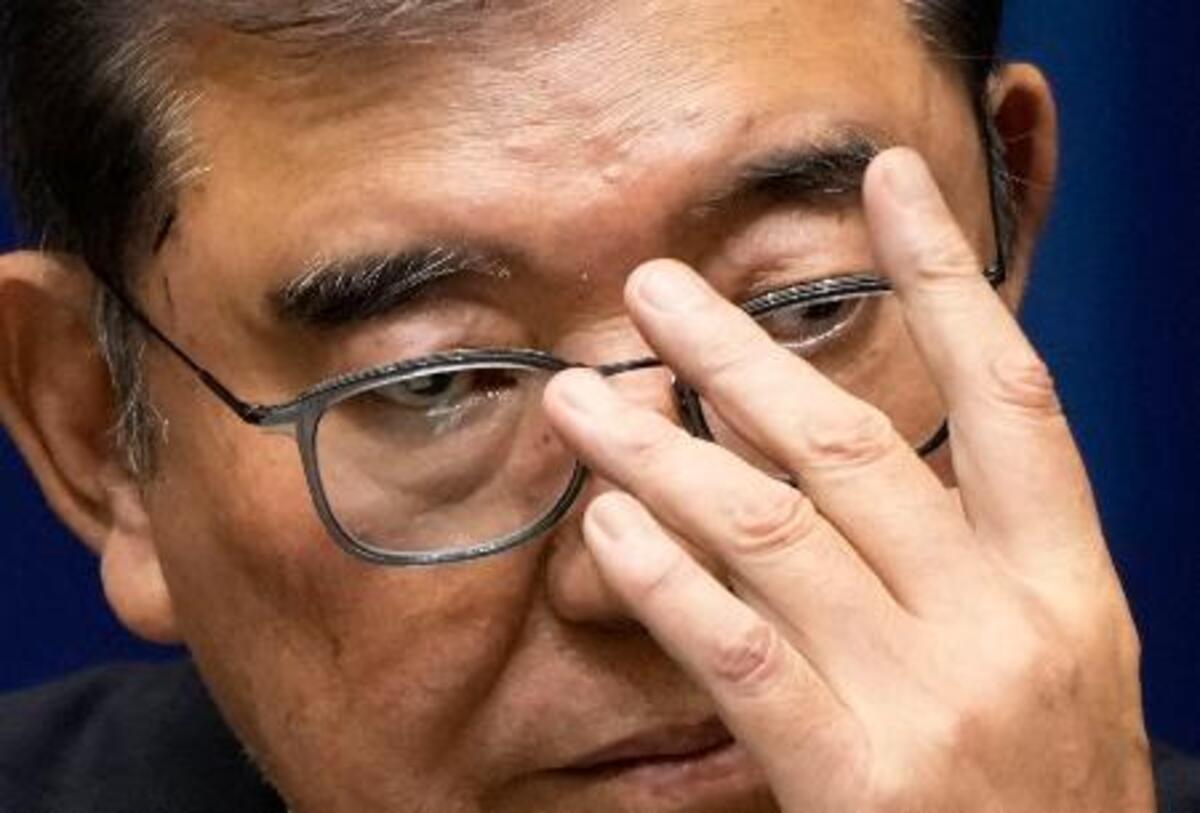
戦後80年に合わせた「内閣総理大臣所感」を発表し、記者の質問を受ける石破首相=10日午後、首相官邸

石破茂首相が戦後80年所感を発表しました。先の大戦で日米開戦を避けられなかった経緯に重点を置き、歴史に正面から向き合うよう主張しています。

また、ポピュリズムと排外主義を許さない姿勢を強調し、退任直前にレガシー(遺産)を残す意向を示しました。

この記事は有料会員限定です。残り1196文字

7日間無料トライアルで1日37円で読み放題。年払いならもっとお得です。

https://www.nishinippon.co.jp/item/1410233/

米政府閉鎖、連邦職員の解雇開始 航空便遅延など混乱拡大

米政府閉鎖、連邦職員の解雇開始 航空便遅延など混乱拡大

2025年10月11日 5:34(10日5:36更新)

【ワシントン共同】

米政権高官は10日、連邦職員の解雇が始まったことを明らかにした。トランプ政権は、政府の一部閉鎖を受けた対応として職員解雇を予告していた。

政府閉鎖は開始から10日目を迎え、管制官の不足などに伴い、航空便の遅延をはじめとした混乱が拡大している。


https://www.nishinippon.co.jp/item/1410189/

首相「総裁でないので」 公明の連立離脱巡り

首相「総裁でないので」 公明の連立離脱巡り

2025年10月10日 22:37 (22:38 更新) [有料会員限定記事]

戦後80年に合わせた「内閣総理大臣所感」を発表し、記者の質問を受ける石破茂首相=10日午後、首相官邸

石破茂首相は10日夜、公明党の連立政権からの離脱決定を巡り、記者団に受け止めを問われ、「今、私自身は自民党総裁ではないので、党と党との話について申し上げる立場にない」と述べた。

同時に、「今の内閣で自公…」

この記事は有料会員限定です。残り43文字。

7日間無料トライアルで1日37円で読み放題。年払いならもっとお得。

https://www.nishinippon.co.jp/item/1410073/

玉木氏、自民と連立否定的 「公明抜け意味がない」

政治:玉木氏、自民と連立否定的 「公明抜け意味がない」

2025年10月10日 20:39(2025年10月10日 20:41更新)[有料会員限定記事]

国民民主党の玉木雄一郎代表は10日、自民党と連立を組む可能性について否定的な見解を示した。

「公明党が抜け、われわれが政権に加わっても過半数に届かないので、あまり意味のない議論になってきている」と国会で述べた。

(この記事は有料会員限定です)

残り114文字はこちら
7日間無料トライアル、1日37円で読み放題。年払いならもっとお得。

https://www.nishinippon.co.jp/item/1410012/

企業献金の規制強化へ高まる圧力 自民「政治とカネ」で孤立

政治:企業献金の規制強化へ高まる圧力 自民「政治とカネ」で孤立
2025年10月10日 20:14(2025年10月10日 20:15 更新)
[有料会員限定記事]

公明党が自民党との連立政権からの離脱を決めたことで、自民党に対する企業・団体献金の規制強化を求める圧力は一層高まる見込みです。

特に、献金の受け皿制限を主張する公明党の案に対し、これまで献金禁止を目指してきた立憲民主党も歩み寄りを見せています。

こうした動きによって、自民党は「政治とカネ」の問題で孤立を深めつつあり、今後の政治情勢に注目が集まっています。

【関連記事】
– 西日本新聞meとは?

*この記事は有料会員限定です。全文をお読みいただくには、7日間無料トライアル(1日37円で読み放題)、または年払いプランのご利用をおすすめします。
https://www.nishinippon.co.jp/item/1410001/