
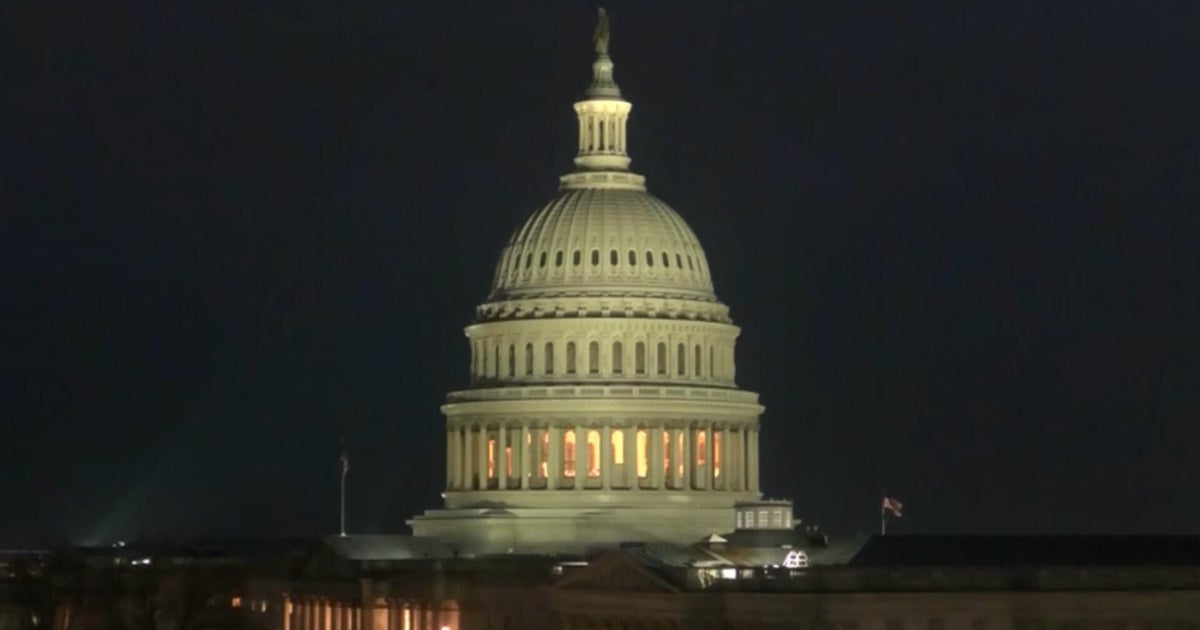
Wednesday marked day five of a partial government shutdown with no end in sight. Lawmakers have failed to reach an agreement on funding the Department of Homeland Security. CBS News congressional correspondent Nikole Killion has more.
https://www.cbsnews.com/video/if-partial-shutdown-continues-other-agencies-like-fema-tsa-could-be-strained/
Yearly Archives: 2026
CBS’s Bari Weiss pulls out of UCLA lecture
UCLA has canceled an upcoming lecture featuring CBS News chief Bari Weiss. Weiss was scheduled to give the annual Daniel Pearl Memorial lecture on Feb. 27, about “The Future of Journalism.” But according to the university, the program will not move forward as scheduled, after Weiss’ team withdrew from the event. A source familiar with the UCLA program said the lecture was canceled due to security concerns from Weiss, despite the public university offering to obtain additional security for the event, the source said. The Daniel Pearl Memorial lecture series honors the late journalist and is considered the capstone of the university’s Burkle Center for International Relations. Previous speakers include journalists Jake Tapper, Anderson Cooper and Bob Woodward. According to the source, several employees at both the Burkle Center and the International Institute expressed opposition to Weiss speaking on campus. The university was also expecting a large number of students to protest the event. Neither Weiss nor CBS immediately responded to a request for comment. Weiss founded the media company, The Free Press, which was purchased in October by Paramount, CBS’ parent company. Following the $150 million purchase, Weiss was installed as editor-in-chief of CBS News. Two months after taking on the new role, Weiss made the widely panned decision to pull a “60 Minutes” episode that examined the alleged abuse of deportees sent from the U. S. to an El Salvador prison. The decision earned Weiss heavy criticism and accusations that the move was politically motivated.
https://www.latimes.com/entertainment-arts/business/story/2026-02-18/cbss-bari-weiss-pulls-out-of-ucla-lecture
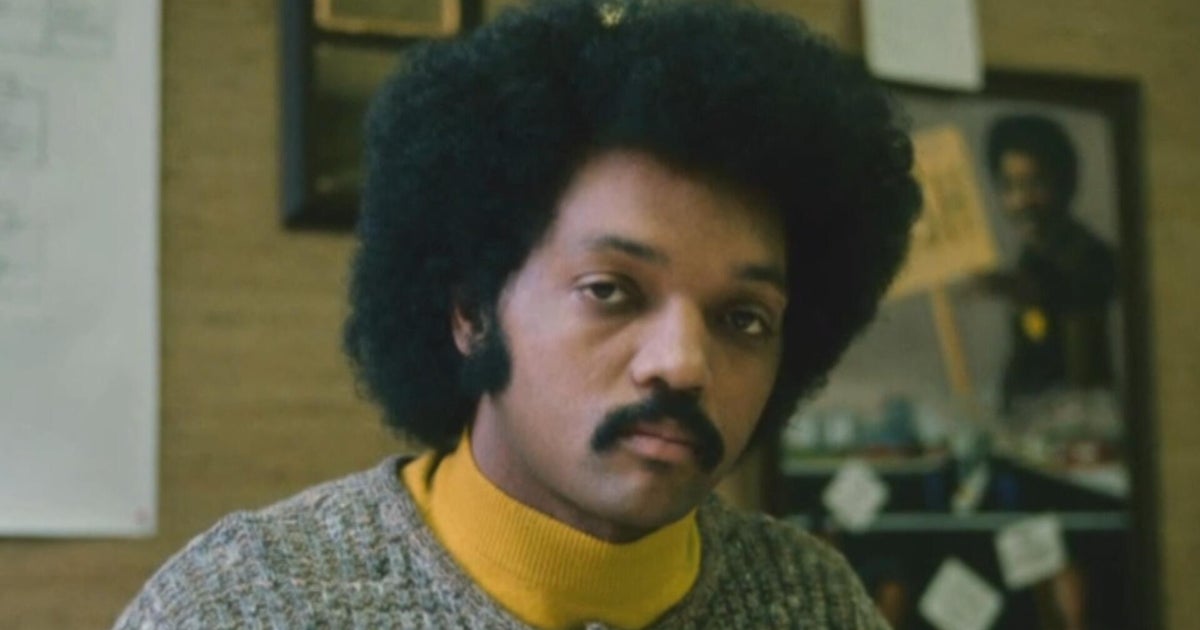
Jesse Jackson’s death “leaves a big, big hole in the world,” social justice scholar says
Rev. Jesse Jackson’s family announced Tuesday that the civil rights icon died peacefully at 84 years old. For more than six decades, Jackson spent his life working to advance civil rights and advocating for the interests of working-class people of all colors. Obery Hendricks, sadjunct professor at Columbia University, joins “The Daily Report” to discuss his life and legacy.
https://www.cbsnews.com/video/jesse-jacksons-death-leaves-a-big-big-hole-in-the-world-social-justice-scholar-says/

Inventor of “signal sniffer” discusses its use in the Nancy Guthrie search
Investigators in Nancy Guthrie’s disappearance are using a device called a “signal sniffer” to try to detect transmissions from her pacemaker. David Kennedy, former NSA hacker and inventor of the pacemaker signal detector, joins CBS News to discuss his work with law enforcement in the search.
https://www.cbsnews.com/video/pacemaker-signal-detectors-inventor-discusses-its-use-in-the-nancy-guthrie-search/


Part comedy, part masochism: This stand-up show includes a public roast of each comic
Every Sunday in Austin, there’s a comedy show called Banana Phone. Comedians do one minute of stand up material, then the crowd heckles and roasts them until they run out of insults.
https://www.npr.org/2026/02/16/nx-s1-5696492/part-comedy-part-masochism-this-stand-up-show-includes-a-public-roast-of-each-comic
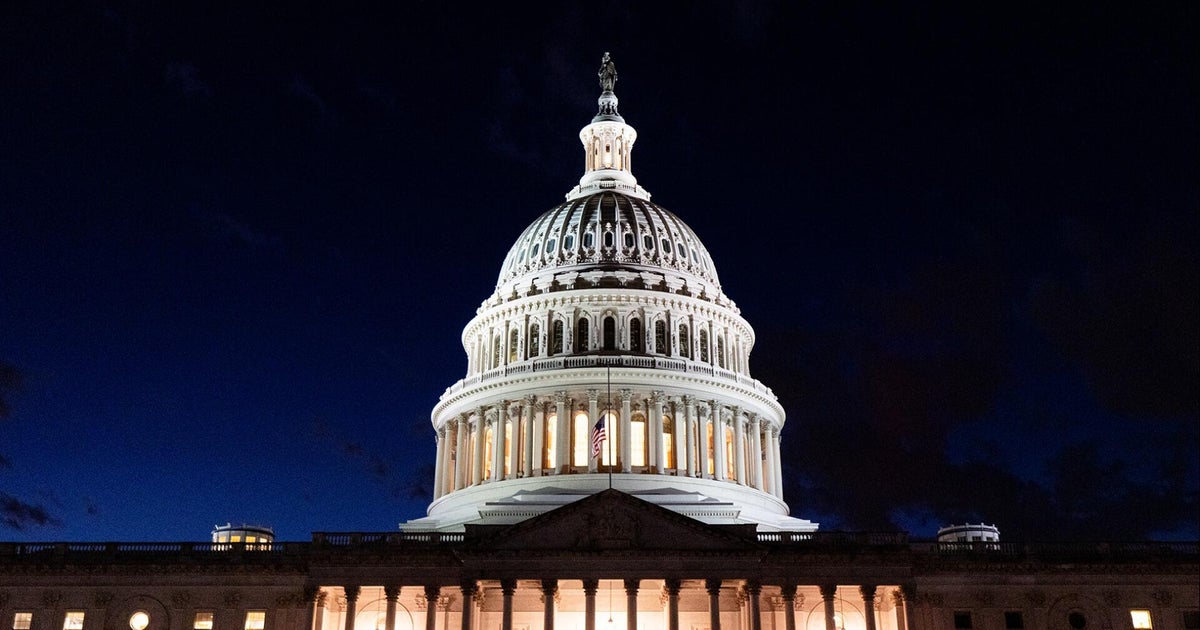
Partial government shutdown hits Day 3 with DHS funding still a sticking point
Monday marked day three of a partial government shutdown after lawmakers failed to reach a deal last week on funding the Homeland Security Department. CBS News congressional correspondent Nikole Killion has more.
https://www.cbsnews.com/video/partial-government-shutdown-hits-day-3/

Landmark tech trials on social media addiction seen through a mother’s eyes
Audio will be available later today. With multiple tech addiction trials expected this year, Julianna Arnold of the parents group ‘Parents Rise’ says the legal pressure is overdue for Big Tech.
https://www.npr.org/2026/02/15/nx-s1-5712769/landmark-tech-trials-on-social-media-addiction-seen-through-a-mothers-eyes
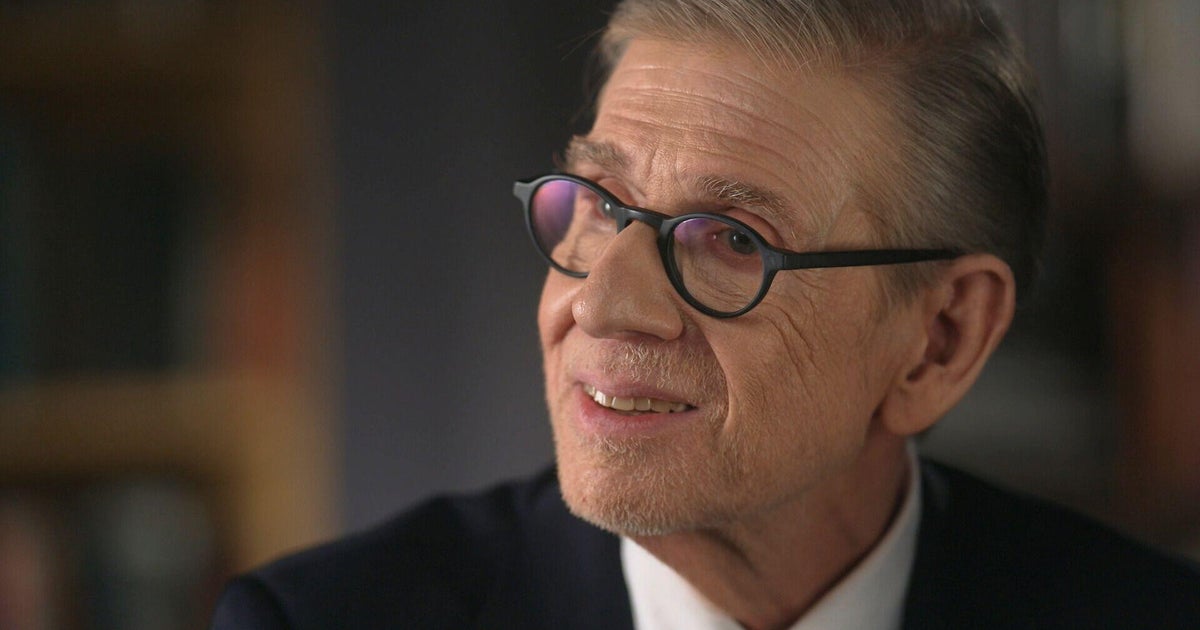
Human biology is ill-equipped for ultraprocessed foods, former FDA head says
Today, an increasing number of Americans across the political spectrum from Make America Healthy Again activists to everyday shoppers are voicing concern about the health impact of ultraprocessed foods those boxed and wrapped in plastic, ready-to-eat items lining grocery store shelves. Leading the charge are two men who disagree on pretty much everything else about public health Health and Human Services Secretary Robert F. Kennedy Jr. and Dr. David Kessler, the former commissioner of the U. S. Food and Drug Administration. The two men have found common ground over a common culprit: a 67-year-old government classification for substances in our food. It’s called GRAS, or generally recognized as safe. Kennedy and Kessler say it has allowed big food companies to use ingredients without a full government safety review and flood the market with ultraprocessed foods that now make up 50% of our calories and 60% of our children’s diets. David Kessler: Over the last 40 years, the United States has been exposed to something that our biology was never intended to handle. Energy-dense, highly palatable, rapidly absorbable, ultraprocessed foods that have altered our metabolism and have resulted in the greatest increase in chronic disease in our history. Type 2 diabetes, pre-diabetes, hypertension, abnormal lipids, fatty liver, heart attacks, stroke, heart failure. Bill Whitaker: From our food David Kessler: From our food. David Kessler was commissioner of the U. S. Food and Drug Administration during the 1990s when he helped expose how the tobacco companies manipulated nicotine levels to hook consumers. He was a driving force in bringing tobacco executives before Congress and turning public attention to the industry. He’s now aiming to do the same with the food industry. Bill Whitaker: In terms of a public health crisis, how does this compare with tobacco? David Kessler: It’s as large, if not larger. Bill Whitaker: It’s that significant? David Kessler: The scale of this– this affects everybody. Understand, not everybody smoked. But look at the number of people who consume ultraprocessed food. It touches all of us. Robert F. Kennedy Jr.: 70% of Americans are either obese or overweight, and it’s not because they got indolent or because we became lazy or because we suddenly developed giant appetites. It’s because We’re being given food that is low in nutrition and high in calories and it’s making it’s destroying our health We met with Health and Human Services Secretary Robert F. Kennedy Jr. last month after he issued new dietary guidelines that for the first time advise against highly processed foods. Bill Whitaker: You have said that these ultraprocessed foods are poisoning us. I think many Americans would be surprised to hear that. Robert F. Kennedy Jr.: We’re seeing in our population people who are obscenely obese and at the same time malnourished Kennedy says that’s largely because we don’t know the health consequences of what we’re eating thanks to the GRAS exemption enacted by Congress in 1958 that allows food companies to independently verify the safety of their ingredients with no government oversight if they are generally recognized by experts as safe. Pending White House approval, he intends to close that backdoor. Robert F. Kennedy Jr.: That loophole was hijacked by the industry, and it was used to add thousands upon thousands of new ingredients into our food supply. In Europe there’s only 400 legal ingredients. This agency does not know how many ingredients there are in American food. Bill Whitaker: They do not know. Robert F. Kennedy Jr.: They do not know. The estimates are between 4, 000 and 10, 000. We have no idea what they are. Bill Whitaker: How do we know what is safe to eat? Robert F. Kennedy Jr.: There is– no way for any American to know if a product is safe if it is ultraprocessed. For his part, David Kessler is petitioning Kennedy to go further and outright revoke the GRAS status for dozens of processed refined carbohydrates sweeteners and starches such as corn syrup and maltodextrin unless the companies can prove they are safe and not fueling obesity. David Kessler: They took starch, right? Those cheap, easy calories. And they converted those into a whole panoply of ingredients, that it was able to reassemble. And those products are so rapidly absorbed in our system that it caused metabolic havoc. David Kessler: they target the brain reward circuits that keep us coming back for more. They, they trigger overeating. They deprive us of any sense of fullness. Bill Whitaker: What we all call empty calories David Kessler those calories are not just empty. They’re ending up in your liver, and that fat in your liver is gonna migrate into other organs. And it’s the cause of cardiometabolic disease. Kessler, a pediatrician, filed his petition with the FDA after zeroing in on GRAS ingredients listed in plain sight on the backs of packaged foods. David Kessler: Pick up any one of these products. You ever look at the– the ingredient label? Bill Whitaker: A lot of ’em are things I can’t even pronounce. David Kessler: Right. Is that food? Corn syrup, corn solids, maltodextrin, dextrose, xylose, high-fructose corn syrup. And then these ingredients were subjected to industrial processing so that our system can’t handle it. Robert F. Kennedy Jr.: We will act on– on David Kessler’s petition. And the questions that he’s asking are questions that FDA should’ve been asking a long, long time ago. Kennedy told us he will use gold standard science to review GRAS ingredients. but his credibility on that score has been widely called into question because of his history of vaccine skepticism and his agency’s revision of the childhood vaccine schedule. Bill Whitaker: Are you concerned at all that your stance on vaccines might make people reluctant to support you on ultraprocessed foods? Robert F. Kennedy Jr.: My stance on vaccines is the same. People should have food science and they should have choice. Bill Whitaker: Some doctors worry that– the new immunization schedule sows confusion and will lead some Americans not to vaccinate their children Robert F. Kennedy Jr.: People who wanna get those vaccines can get them and they can get them fully insured. David Kessler: The secretary and I, you know, we disagree on a number of issues, I mean, in the strongest possible terms. When it comes to vaccines I disagree. But if he’s willing to take action on these ultraprocessed foods, I will be the first– to applaud that. Bill Whitaker: If you don’t trust him on vaccines, why trust him when it comes to ultraprocessed foods? David Kessler: I don’t think it’s a question of trust, Bill. I mean, this country is ill. I’m a doc I care about the public health of this country. And if we can make progress on that, let’s do that In December, San Francisco City Attorney David Chiu filed a landmark lawsuit against 10 manufacturers of ultraprocessed foods alleging that, like the tobacco companies, they knowingly engineered and marketed addictive, dangerous products while hiding the risks and causing a public health crisis. Consumer Brands Association and American Farm Bureau Federation statements to 60 Minutes The Consumer Brands Association, one of the largest trade groups representing the food industry, declined to respond to us about the lawsuit. But in a statement to 60 Minutes, said there is no “agreed upon scientific definition of ultraprocessed foods” and “companies adhere to the rigorous evidence-based safety standards and nutrition policy established by the FDA to deliver safe, affordable and convenient products that consumers depend on every day.” We met with food author Michael Pollan, who for decades has been warning about inexpensive, factory-processed food. Michael Pollan: Granola bars, those look very healthy all of these would qualify as ultraprocessed foods– Bill Whitaker: All of them? Michael Pollaneven though they’re very different. This– you know, we have a snack good– couple of snack foods. Bill Whitaker: Even the Nature Valley? Michael Pollan: I would argue, because of the number of– ingredients in it. So there’s a lot of sugar in here Bill Whitaker: But this is sold as a health food. Michael Pollan: Yeah, a health food. Pollan commends Kennedy for shining a light on ultraprocessed foods. He ties their ubiquity to longstanding federal farm subsidies. Michael Pollan: We subsidize as taxpayers, through the Farm Bill, the least healthy calories in the diet. Michael Pollan: Most of which goes to people farming corn and soybeans Bill Whitaker: What’s wrong with corn and soybeans? Michael Pollan: When you hear corn and soy you think food. This is not corn on the cob. This is commodity corn Bill Whitaker: It’s not the sweet corn we eat in the summer? Michael Pollan: No. You can’t eat it, in fact. It’s all starch, big cobs. You’d break your teeth on it. And then soy, which is not, in the form we grow it as a commodity, is not edamame. You can’t eat it. These are raw ingredients for processed foods and animal feed. Bill Whitaker: So the– the government is subsidizing crops that are making us unhealthy? Michael Pollan: Sick. Yes. Yeah. And one way to look at it is we are supporting both sides in the war on type 2 diabetes. We are– we’re subsidizing the high fructose corn syrup that’s contributing to causing it. And then we’re paying for the healthcare costs. I mean, it makes no sense at all. In a statement, the American Farm Bureau Federation, the largest general farm organization in the U. S., told us: “[a] healthy diet relies on a variety of nutrient-dense foods and a balance of healthy fats, carbohydrates, protein and fiber, some of which can come from shelf-stable foods” Bill Whitaker: Why are there not subsidies to produce more of the healthy foods? Michael Pollan: Cheap food is the goal of all governments. If you were to remove these corn subsidies there is concern that the price of corn would raise. And that would be a problem for the whole food industry, which, of course, is a very powerful lobby, and would be a problem for the consumer, conceivably. Bill Whitaker: When you’re taking on ultraprocessed foods, you’re also taking on powerful industries, Big Ag, Big Food. What makes you believe you will prevail? Robert F. Kennedy Jr.: My belief that I will prevail is because we have the president behind us. Bill Whitaker: But the president has shown himself to be– pretty much against regulations. So, why would he support regulating ultraprocessed foods? Robert F. Kennedy Jr.: Well, I’m not saying that we’re going to regulate ultraprocessed food. Our job is to make sure that everybody understands what they’re getting, to have an informed public. Bill Whitaker: There are Americans who live in so-called food deserts with little access to whole foods. And these are foods that many of them can’t afford anyway. So how do you speak to that American? Robert F. Kennedy Jr.: We are laser-focused on making all of these foods affordable and accessible to every American. The Consumer Brands Association told us the GRAS process enables companies to “innovate to meet consumer demand” and that “food companies adhere to FDA’s science and risk-based evaluation of ingredients[.]before and after they are in the marketplace.” David Kessler says that’s not enough. David Kessler: We changed how this country views tobacco. We need to change how this country views these ultraprocessed foods. Bill Whitaker: Would you like to see the CEOs of big food companies come before Congress and raise their hand and be questioned like the tobacco industry was? David Kessler: I’d like them to understand the consequences of what they are doing and to do something about it. Produced by Sarah Koch. Associate producer, Amanda Winograd-Schnur. Broadcast associate, Mariah Johnson. Edited by Craig Crawford.
https://www.cbsnews.com/news/ultraprocessed-foods-rfk-jr-and-david-kessler-60-minutes-transcript/


Four new astronauts arrive at the ISS to replace NASA’s evacuated crew
CAPE CANAVERAL, Fla The International Space Station returned to full strength with Saturday’s arrival of four new astronauts to replace colleagues who bailed early because of health concerns. SpaceX delivered the U. S., French and Russian astronauts a day after launching them from Cape Canaveral. Last month’s medical evacuation was NASA’s first in 65 years of human spaceflight. One of four astronauts launched by SpaceX last summer suffered what officials described as a serious health issue, prompting their hasty return. That left only three crew members to keep the place running one American and two Russians prompting NASA to pause spacewalks and trim research. Moving in for eight to nine months are NASA’s Jessica Meir and Jack Hathaway, France’s Sophie Adenot and Russia’s Andrei Fedyaev. Meir, a marine biologist, and Fedyaev, a former military pilot, have lived up there before. During her first station visit in 2019, Meir took part in the first all-female spacewalk. Adenot, a military helicopter pilot, is only the second French woman to fly in space. Hathaway is a captain in the U. S. Navy. NASA has refused to divulge the identity of the astronaut who fell ill in orbit on Jan. 7 or explain what happened, citing medical privacy. The ailing astronaut and three others returned to Earth more than a month sooner than planned. They spent their first night back on Earth at the hospital before returning to Houston. The space agency said it did not alter its preflight medical checks for their replacements. ___ The Associated Press Health and Science Department receives support from the Howard Hughes Medical Institute’s Department of Science Education and the Robert Wood Johnson Foundation. The AP is solely responsible for all content.
https://abcnews.go.com/Technology/wireStory/new-astronauts-arrive-international-space-station-replace-nasas-130177190
Epstein files fallout takes down elite figures in Europe, while U.S. reckoning is muted
The contrast is striking: In Europe, some people whose names come up in the Epstein files are facing consequences but in the U. S., not so much. European royals, government officials, politicians and others are losing jobs and titles over their connection to the late convicted sex offender Jeffrey Epstein. European law enforcement agencies are opening investigations based on recent troves of documents released by the U. S. government. Prominent Americans with apparent ties to Jeffrey Epstein including President Trump and Commerce Secretary Howard Lutnick- have so far largely kept their positions of power. Epstein also associated with Democratic politicians and academics, including former President Bill Clinton. While appearing in the Epstein files is not necessarily proof of wrongdoing, for Europeans, it’s been “very humiliating” to see their “rich and famous hobnobbing” with Epstein, “a fake American billionaire” and convicted sex trafficker of minors, said Richard Painter, a professor at the University of Minnesota Law School who served as the chief ethics lawyer to President George W. Bush. But in the U. S., Painter says, the connection between money and politics can shield some of those named in the files. “You’ve got all this massive amount of money in politics. So the billionaire class is definitely going to want to be protected,” he said. Neither the White House nor the Department of Commerce have responded to a request for comment. In the United Kingdom, former Prince Andrew was stripped of his royal titles and forced to move out of the royal estate. That was over claims that Andrew Mountbatten-Windsor, as he is now known, had sex with teenage girls which he has denied during his visits with Epstein. Now, with the latest release of files, the former prince faces an investigation by British police over claims he shared confidential trade information with Epstein in 2010. King Charles III, Mountbatten-Windsor’s brother, is “ready to support” investigators, Buckingham Palace said in a statement sent to news outlets this week. Others in the U. K. have faced consequences, not for allegations of sexual misconduct, but for being too friendly with Epstein. Peter Mandelson, a prominent Labour Party figure and Britain’s ambassador to the U. S., was stripped of his position in September and resigned from the House of Lords earlier this month. He now faces a criminal investigation after new files suggest he received payments from Epstein and shared government documents. For a while, Prime Minister Keir Starmer faced calls to step down over his continued support for Mandelson. Starmer, earlier this month, apologized to Epstein’s victims. “None of us knew the depth and darkness of that relationship,” he said of Mandelson’s ties to Epstein. In countries such as Britain with a parliamentary system, leaders are more vulnerable to calls to resign from political opponents or even members of their own party, Painter noted, than leaders in the United States. “Ultimately the Parliament, the legislature, calls the shots and then the members of the legislature are vulnerable to be voted down in the next election,” he said. “There’s more accountability to the public.” Trump is somewhat insulated from political pressure President Trump was a longtime friend of Epstein’s and appears frequently in the released documents from the late financier’s estate. Trump and the White House have both consistently denied any wrongdoing. Still, because he is in his second term and is constitutionally prohibited from running for reelection, he is shielded from some accountability, according to Painter. Lutnick, Trump’s billionaire commerce secretary, previously had said he had “very limited interactions” with Epstein, a New York City neighbor after visiting his townhouse in 2005. But this week, at a Senate hearing, he acknowledged that he and his family traveled to Epstein’s private island in 2012. Painter also criticized Attorney General Pam Bondi for “selectively” releasing parts of the Epstein files, despite bipartisan legislation passed by Congress which orders a full release of the documents. In her opening remarks at a contentious House Judiciary Committee hearing on Wednesday, Bondi said she was “deeply sorry for what any victim” had gone through, but she avoided apologizing directly to several of Epstein’s victims in the committee room. Painter questioned whether the administration is releasing files that only implicate Democrats while shielding Republicans. Epstein knew Trump, a neighbor in Palm Beach, but Trump says they had a falling out before Epstein’s conviction for sex trafficking. A few Americans have lost positions of power. Larry Summers, a former Treasury Secretary during the Clinton administration and chief economic adviser to President Obama, stepped away from his teaching position at Harvard. Brad Karp resigned as chair of the prestigious law firm Paul Weiss. And Kathryn Ruemmler, top lawyer at Goldman Sachs, announced that she’ll resign from her job at the end of June. Consequences spread across Europe France’s former culture minister, Jack Lang, resigned as head of a Paris cultural center after the French Foreign Ministry sought to question him about his ties to Epstein. Former Norwegian Prime Minister Thorbjørn Jagland, this week was charged with “gross corruption” by police there and could face up to 10 years in prison after emails showed he stayed in Epstein’s homes in New York and Florida and visited Epstein’s private island in the Caribbean. Also this month, Mona Juul resigned as Norway’s ambassador to Jordan, after revelations that Epstein left $10 million in his will to her children. The Epstein scandal has also hit the country’s royal family. Norwegian Crown Princess Mette-Marit, the wife of Crown Prince Haakon, apologized after documents showed she vacationed in an Epstein property in Palm Beach.
https://www.npr.org/2026/02/14/nx-s1-5714609/epstein-europe-fallout