Category Archives: economy

Kerala’s Maritime Economy Soars With ₹7,288 Crore Investment Proposals At Union Conclave

**Kerala’s Maritime Economy Gets a Rs 7,288 Crore Boost at ‘Blue Tides’ EU Conclave**

*Thiruvananthapuram:* Kerala’s maritime economy has received a significant boost with investment proposals worth Rs 7,288 crore emerging from the two-day Kerala-European Union conclave, ‘Blue Tides’, held recently in Kovalam. Fisheries Minister Saji Cherian announced this development during the conclave’s valedictory session on Friday.

The proposals were submitted by 28 investors, reflecting strong interest in Kerala’s fisheries and maritime sectors. The European Union, a key partner of the conclave alongside the Government of India, urged Kerala to establish a dedicated platform for sustained engagement with EU countries, Minister Cherian added.

“This conclave has not only achieved what it set out to do, but its outcome has exceeded expectations and set an example for the country,” said Cherian. He emphasized that the event marks the beginning of a significant push for the growth and modernization of Kerala’s fisheries sector.

Cherian also highlighted Chief Minister Pinarayi Vijayan’s inaugural remarks, wherein the CM pointed out that the conclave had opened doors for innovation and sustainable, inclusive development of both the seas and the coastline.

During the event, 28 investors signed expressions of interest, signalling their commitment to future collaboration.

European Union Ambassador to India, Herve Delphin, also addressed the conclave, sharing insights on the discussions held with Chief Minister Pinarayi Vijayan. The ambassadors put forward a proposal to create an engagement platform with EU states, as part of ‘Team Europe’s’ efforts to explore multiple avenues for cooperation with Kerala.

Delphin noted that the conclave was viewed as a continuation of the global ‘blue economy’ summit held earlier this year in France. His team made considerable progress during dialogues with Kerala officials, identifying opportunities for collaboration, especially in healthcare and information technology sectors.

Recalling the panel discussions, Kerala Chief Secretary Dr. A Jayathilak pointed out that key topics included sustainability, advanced technology, climate change resilience, and global cooperation on logistics.

Kerala’s special representative in New Delhi, Professor K V Thomas, acknowledged the challenges faced leading up to the conclave but praised the strong support from the Chief Minister and the organizational capabilities of Minister Cherian for successfully hosting the event.

The conclave ‘Blue Tides’ signals a new chapter for Kerala’s fisheries and maritime industries, positioning the state as a promising hub for sustainable blue economy initiatives in collaboration with international partners.

*Disclaimer: This story is sourced from a syndicated feed. Only the headline has been modified.*
https://www.freepressjournal.in/business/keralas-maritime-economy-soars-with-7288-crore-investment-proposals-at-union-conclave

Takaichi Announces Candidacy for LDP Leadership

I, Sanae Takaichi, as someone who loves Japan and the Japanese people with all my heart, and who firmly believes in their strength, will once again run in the Liberal Democratic Party leadership election, Takaichi said at a press conference on September 19th.

Calling for Japan to once more stand at the top of the world, she pledged to pursue economic growth without compromise. Her proposals include the creation of a control center for foreign resident issues and stronger measures against illegal overstayers, aiming to shore up conservative support.

At the same time, her willingness to adopt opposition-backed policies has raised doubts among some conservatives about her capacity to build alliances across party lines. Takaichi said she would push for a tax credit system that increases net income relative to wages, known as a refundable tax credit—an idea championed by the Constitutional Democratic Party.

She also pledged to develop backup crisis-management functions for the capital, echoing Nippon Ishin’s second capital concept, and to reform income thresholds, as advocated by the Democratic Party for the People.

Meanwhile, Agriculture Minister Shinjiro Koizumi, who placed third behind Takaichi in last year’s race, launched his campaign team the same day. “We must not forget last year’s result, and fight through with a sense of urgency until the end,” Koizumi said, adding that he will announce his policy platform on September 21st.

Koizumi also gained a significant endorsement. Former Digital Minister Taro Kono said, “When we think about who can truly rebuild the party from its foundation, Koizumi is the most suitable.”

With the official announcement just three days away, leadership contenders are stepping up their campaigns.
https://newsonjapan.com/article/146947.php

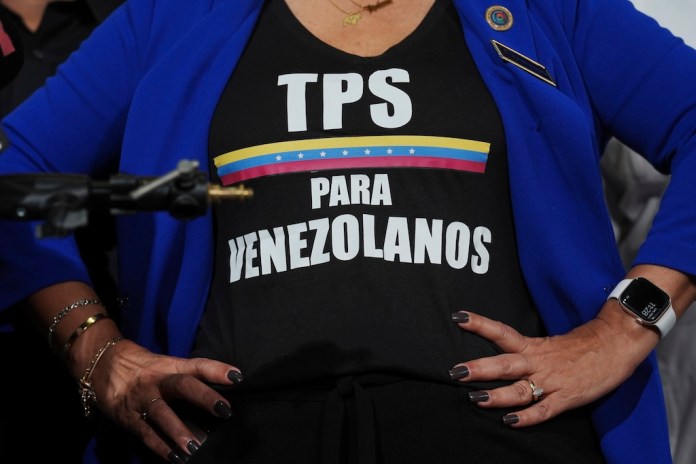
Trump administration again asks Supreme Court to lift block on ending TPS for Venezuelans

Americans’ grocery bills are growing, causing some shoppers to cut back on discretionary spending as they struggle to afford the basics. Food prices grew by half a percent from July to August, marking the fastest monthly rate of change since the fall of 2022.

Behind the rising cost of food items on store shelves are three main culprits, according to experts: tariffs from the Trump administration, climate change, and a shortage of agricultural workers in the U.S.

**The Impact of Tariffs**

Phil Lempert, a food industry analyst known as the “Supermarket Guru,” told CBS News correspondent Jo Ling Kent that the Trump administration’s wide-ranging tariffs are a leading cause of grocery inflation. Price hikes have been steepest on goods that the U.S. imports from nations facing higher levies. For example, the U.S. imports about 35% of its coffee from Brazil, whose exports are taxed at a rate of 50%. The latest Consumer Price Index data shows that coffee prices rose 21% in August compared with a year ago.

As companies face rising costs, they often pass those burdens onto consumers. In the case of tariffs, some businesses began raising prices on products even before the levies were fully in place.

“There’s no question that what we’ve seen is companies increasing prices because of the impending tariffs,” Lempert said. “What they want to do is protect themselves. A lot of these big food companies are public companies, so they have to report back to their shareholders on profit margins. They’ve been hedging their bets.”

Sometimes, packaged-goods companies disguise price hikes by offering consumers less product for the same amount of money. This covert inflation strategy is known as “shrinkflation,” Lempert explained:
“What they’re doing is putting less in the package, hoping that you and I won’t notice and will keep paying the same price or just a slightly increased price.”

**Climate Change’s Role**

Increasing temperatures and shifting weather patterns have made conditions for growing some fruits and vegetables in the U.S. inhospitable. As a result, much of domestic production has moved to Central and Latin America.

“We can’t grow our food where we used to grow it,” Lempert said.

**Labor Shortage in Agriculture**

Additionally, Trump-era immigration policies—including workplace raids targeting large numbers of immigrant workers—combined with waning interest in agricultural labor, have led to an industry-wide shortage.

**How Consumers Are Responding**

Consumers are reacting to higher prices by looking for deals, purchasing store-brand goods instead of name brands, and buying shelf-stable groceries in bulk at shopping clubs like Costco.

Lempert emphasized that a little planning can go a long way to help consumers buy what they need without overspending.

“The number one thing people want to do if they want to save money is stop wasting food,” Lempert said. “Forty percent of all the food in this country is wasted, and a lot of that happens in our homes. So take doggy bags from restaurants, use leftovers, freeze leftovers, and don’t waste food—you’ll save a substantial amount of money.”
https://www.washingtonexaminer.com/news/supreme-court/3816255/trump-administration-supreme-court-lift-block-end-tps-venezuelans/

UP To Host Village-Level Job Fairs For First Time, Starting September in Meerut Division

**Uttar Pradesh to Host Village-Level Job Fairs, Offering Major Opportunities for Rural Youth**

Meerut: In a first-of-its-kind initiative, Uttar Pradesh is set to organize job fairs at the village level, aimed at providing significant employment opportunities for unemployed youth in rural areas. The recruitment drive will kick off this September, starting from the Meerut division.

Under the supervision of the Employment Department, private companies will conduct recruitments across six districts: Ghaziabad, Gautam Buddha Nagar, Bulandshahr, Baghpat, Hapur, and Meerut. Nearly 8,000 candidates are expected to secure jobs through these fairs.

A total of 40 block-level job fairs will be held, with each event hosting 5 to 10 participating companies. One of the key highlights is that selected candidates will receive appointment letters on the spot, streamlining the hiring process.

**Eligibility and Job Sectors**

The eligibility criteria vary from Class 8 to post-graduate level, depending on the sector. Job opportunities are available in diverse fields such as packaging, construction, sales, mechanical trades, and security, among others.

Officials have stated that starting salaries will range between Rs 15,000 and Rs 35,000 per month, depending on candidates’ qualifications and performance during interviews.

**Schedule and Registration**

The job fair schedule for Meerut’s 12 blocks begins on September 24 with an event at Rajpura and will continue through November 17, concluding at the Meerut block headquarters. Other locations include Kharkhoda, Machhra, Sarurpur, Sardhana, Daurala, Rohata, Jani, Mawana, Parikshitgarh, and Hastinapur.

Interested candidates are required to register on the Rojgar Sangam portal at [rojgarsangam.up.gov.in](http://rojgarsangam.up.gov.in). Additionally, free on-spot registration counters will be available at each job fair venue, allowing easy participation for all.

**Past Success**

Officials highlighted that over 30,000 youth were employed through similar fairs last year, with 7,000 jobs provided in Meerut alone, underscoring the effectiveness and reach of these recruitment drives.

This initiative promises to bring much-needed employment opportunities directly to rural youth, fostering economic growth and development at the grassroots level in Uttar Pradesh.
https://www.freepressjournal.in/uttar-pradesh/up-to-host-village-level-job-fairs-for-first-time-starting-september-in-meerut-division

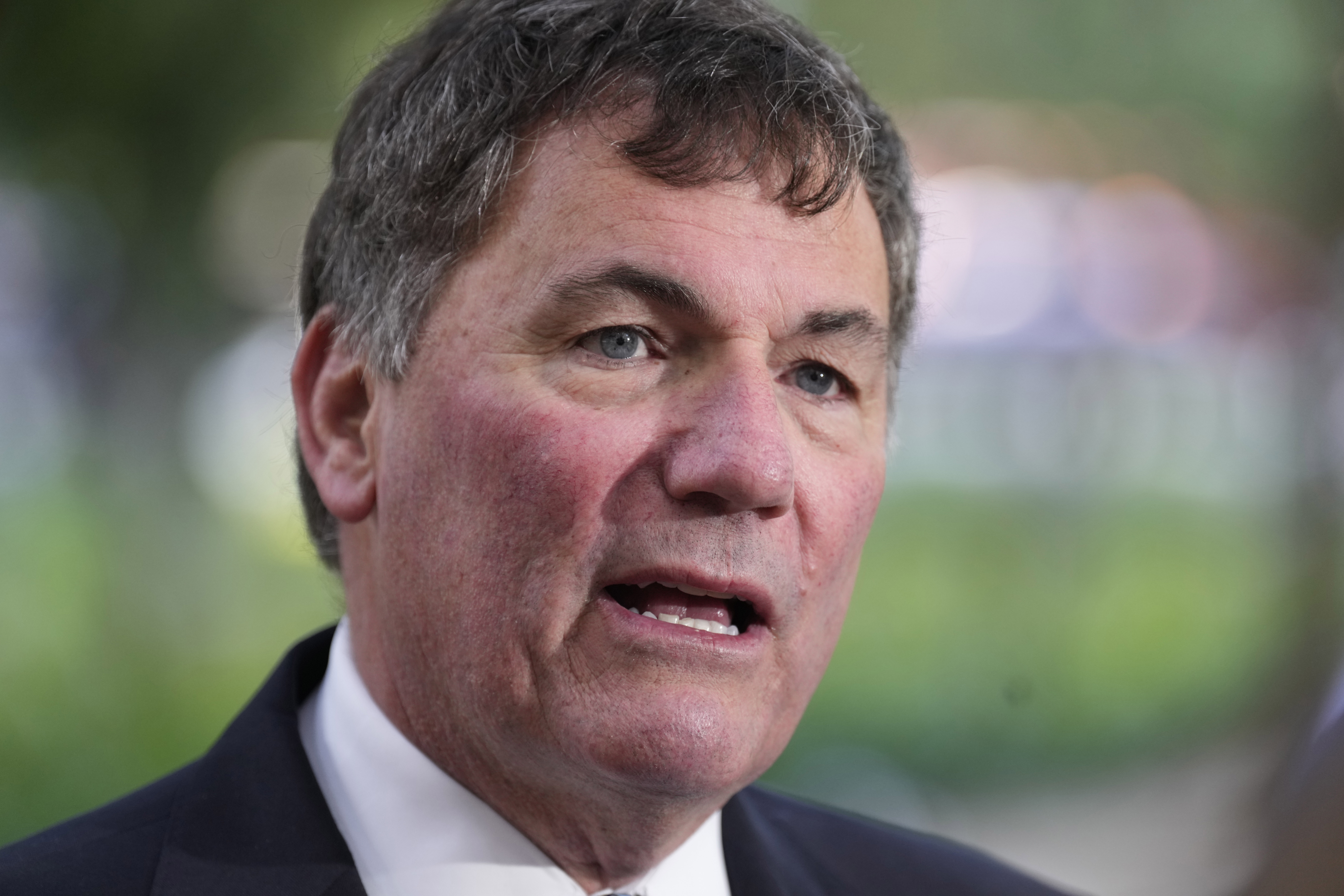
Canada launching CUSMA review consultation Friday, LeBlanc says

Dominic LeBlanc announces that consultations on the Canada-United States-Mexico Agreement (CUSMA) will begin this Friday, ahead of a planned review of the North American trade pact next year. The Canadian trade minister stated that Ottawa will engage with provinces, territories, industry representatives, and workers in preparation for formal negotiations with the United States and Mexico scheduled for 2026.

An exemption for CUSMA-compliant goods has so far shielded much of Canada’s trade from U.S. President Donald Trump’s tariff war. However, sectoral duties remain in effect in industries such as steel, aluminum, automotive, and softwood lumber.

LeBlanc noted that while Ottawa would be open to signing a broader deal with the U.S. should Washington propose terms beneficial to Canada, his immediate priority is addressing the existing sectoral tariffs.

Meanwhile, Carney and Sheinbaum emphasized that the upcoming trade agreement will complement CUSMA, strengthening cooperation among the three countries.

*With files from Craig Lord in Ottawa*
https://globalnews.ca/news/11436583/canada-launching-cusma-review-consultation/

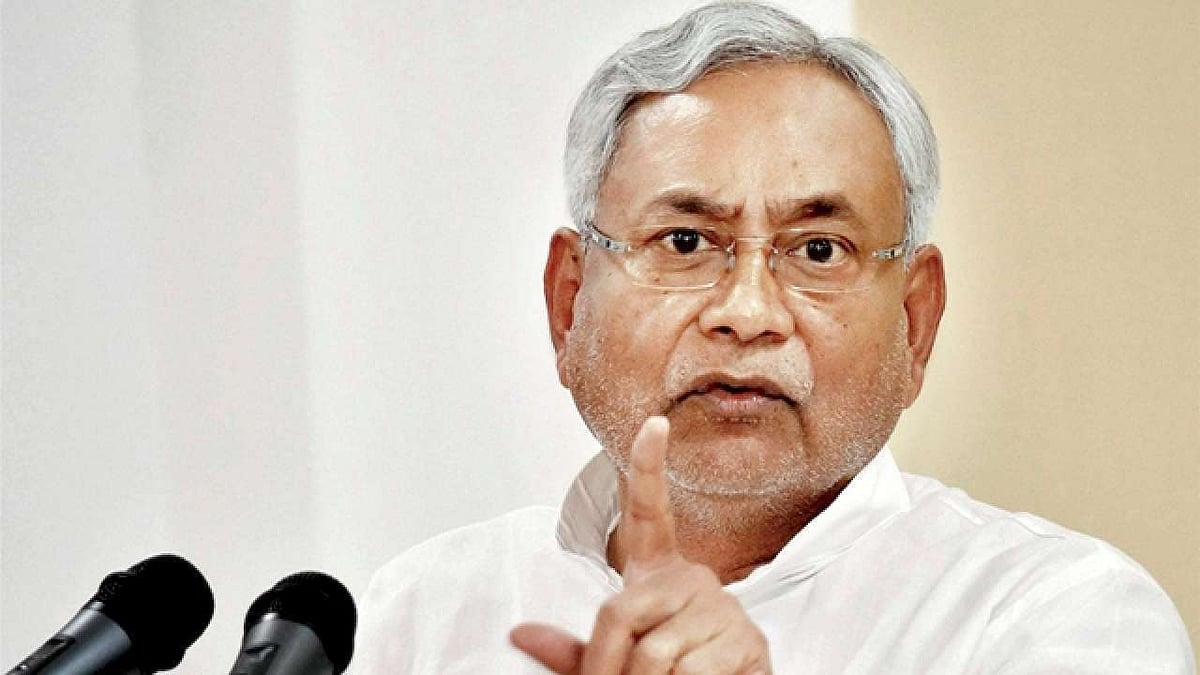
Bihar CM Nitish Kumar Announces ₹1,000 Monthly Aid For Unemployed Graduates For 2 Years

Patna: The Bihar government has announced financial assistance of Rs 1,000 per month for unemployed graduate youth for a period of two years under the ‘Mukhyamantri Nishchay Swayam Sahayta Bhatta Yojana’. Chief Minister Nitish Kumar made this announcement on Thursday, expanding the scope of the scheme which was earlier applicable only to unemployed youths who had passed their intermediate exams.

In a post on X (formerly Twitter), CM Nitish Kumar stated, “I am pleased to inform that under the state government’s seven resolves programme, the previously operated ‘Mukhyamantri Nishchay Swayam Sahayta Bhatta Yojana’ has now been expanded. Under this, the benefit of the Self-Help Allowance Scheme, which was previously being provided to intermediate-passed youth, has now been extended to unemployed graduate youth who have passed in arts, science, and commerce.”

The Chief Minister further explained that graduate youth aged between 20 and 25 years, who are not pursuing any studies, striving for employment, do not have any self-employment, and have not secured any government, private, or non-government job, will be eligible for the allowance. They will receive Rs 1,000 per month for a maximum duration of two years under this scheme.

With the Bihar Assembly elections scheduled for later this year, CM Nitish Kumar expressed his hope that “the youth will use this assistance allowance to obtain necessary training and prepare for competitive examinations so that their future can be secured.”

Since the formation of the new government in November 2005, providing government jobs and employment opportunities to youth, along with their empowerment, has been a top priority. The Chief Minister noted, “A target has been set to provide government jobs and employment to one crore youth in the next five years. In the coming days, a large number of new jobs and employment opportunities will be created in the government and private sectors.”

To achieve this ambitious target, the government is focusing on skill development training for the youth to help them secure jobs and employment. The objective of this initiative is to ensure that the youth of Bihar become self-reliant, skilled, and employment-oriented, thereby contributing significantly to the development of the state and the country.

*Disclaimer: Except for the headline, this article has not been edited by FPJ’s editorial team and is auto-generated from an agency feed.*
https://www.freepressjournal.in/education/bihar-cm-nitish-kumar-announces-1000-monthly-aid-for-unemployed-graduates-for-2-years

GSFL 2025: Albany coach Roy Addis commends new premiers Railways after fierce grand final fight

**The Nightly Read: The Nightly on Innovation – Updated Economy and New Jobs Data**

The latest update on the economy has been released, providing fresh insights that are likely to influence the Reserve Bank of Australia’s (RBA) upcoming decisions.

New jobs data indicates trends that may give the RBA pause when considering a rate cut in September. This development is crucial for stakeholders monitoring economic policy and innovation-driven growth.

Stay tuned for more updates on innovation and economic developments.
https://thewest.com.au/news/albany-advertiser/gsfl-2025-albany-coach-roy-addis-commends-new-premiers-railways-after-fierce-grand-final-fight–c-20023939

India needs to tap into global green finance

India’s Climate Finance Landscape: Progress, Challenges, and the Road Ahead

India’s climate actions so far have primarily been financed from domestic resources. These include government budgetary support, a mix of market mechanisms, fiscal instruments, and policy interventions.

India’s initial Nationally Determined Contribution (NDC) under the Paris Agreement estimated that the country’s climate action would require $2.5 trillion (at 2014-15 prices) for meeting climate change actions between 2015 and 2030. The NDC aims to reduce the emissions intensity of India’s GDP by 45 per cent by 2030 from the 2005 level.

In November 2022, India submitted its Long-Term Low-Carbon Development Strategy to the United Nations Framework Convention on Climate Change (UNFCCC). Several estimates regarding India’s financial needs for this strategy vary due to differences in assumptions, coverage, and modelling approaches. However, these estimates suggest that the requirement will exceed $10 trillion by 2050.

Given India’s substantial financial needs for climate action, tapping into global sustainable/green finance and foreign private capital is expected to play a crucial role in achieving its NDC goals. Encouragingly, the size of global sustainable/green debt finance has been growing rapidly in response to climate change challenges.

According to data from the Institute of International Finance (IIF), cumulative global sustainable/green debt issuances since March 2013 reached $8.86 trillion in December 2024, up from $1.5 trillion in June 2019. Of this amount:

– Mature economies accounted for $6.05 trillion (68.25%)
– Emerging economies $1.53 trillion (17.25%)
– Offshore centres $0.30 trillion (3.38%)
– Supranationals $0.98 trillion (11.12%)

### Green Instruments in Sustainable Finance

Debt instruments used for raising sustainable/green finance range widely, including green bonds/loans, green asset-backed securities (ABS), sustainability bonds, social bonds, green municipal bonds, and sustainability-linked bonds/loans.

Among these instruments:
– Green bonds account for the largest share at 37.10%
– Sustainability-linked loans follow with 18.95%
– Sustainability bonds make up 13.14%
– Green loans comprise 10.44%

India’s share in global sustainable/green debt issuances till December 2024 was $91.2 billion, which represents just 1.03% of the global total. However, when viewed as a share of emerging economies’ sustainable/green debt issuances, India’s portion looks more respectable at 5.97%.

By contrast, China’s share in sustainable/green debt issuances was much higher, at $690.7 billion — accounting for 7.80% globally and 45.21% within emerging economies. Clearly, India has considerable ground to cover in increasing its presence in this space.

### Steps Taken and Future Prospects

Several climate-related measures were announced in the Union Budget 2022-23, including the introduction of sovereign green bonds and thematic funds for blended finance. India joined the sovereign green bonds club on January 25, 2023, by raising ₹80 billion. Since then, a few more sovereign green bond issuances have taken place.

While the Securities and Exchange Board of India (SEBI) issued disclosure requirements for the issuance and listing of green debt securities in 2017, Indian corporate entities entered the green bond market earlier — with Yes Bank issuing the first green bond worth $260 million in 2015. Since then, various public and private sector corporate entities have actively raised green finance.

India has been gaining traction in accessing sustainable/green financing both locally and globally. Yet, the financing gap to meet its NDCs under the UNFCCC remains huge. To bridge this gap, India needs to tap into the rapidly growing global pool of sustainable/green capital from pension funds, sovereign wealth funds, insurance funds, private equity, venture capital, infrastructure funds, and more.

### Policy Enablers to Attract Global Green Finance

Attracting global private finance into India’s sustainable/green projects requires a focus on both micro and macro-level policy enablers.

At the micro level, increasing transparency by aligning disclosure and reporting standards to global benchmarks will reduce information asymmetry faced by investors and lenders. Establishing an integrated domestic measurement, reporting, and verification system would enhance the availability and accessibility of sustainable/green finance data.

At the macro level, developing a robust green taxonomy combined with fiscal incentives and a credible domestic capital market is crucial to accelerate the inflow of global private green finance into India.

In this context, the mandatory implementation of Business Responsibility and Sustainability Reporting (BRSR) for the top 1,000 listed companies and the announcement to develop a taxonomy for climate finance in the Union Budget 2024-25 are positive steps. However, much more needs to be done to attract global sustainable/green finance.

For example:
– Developing a dedicated channel for listing green bonds on Indian stock exchanges could help increase visibility.
– Launching or expanding ESG performance-based equity/bond indices on Indian exchanges would incentivize sustainable investment.
– Collaborating with offshore stock exchanges and index providers to include Indian green bonds in global indices could boost international investor interest.

### Conclusion

India stands at a critical juncture in its climate finance journey. While domestic resources have driven much of its climate actions to date, bridging the significant financing gap demands greater engagement with global sustainable finance markets.

Strategic policy reforms, enhanced transparency, and international collaboration will be key to unlocking private capital flows that can support India’s ambitious climate commitments and long-term low-carbon development goals.

*The writer is a Professor at the Institute of Development and Communications (IDC), Chandigarh. Views expressed are personal.*
*Published on September 18, 2025.*
https://www.thehindubusinessline.com/opinion/india-needs-to-tap-into-global-green-finance/article70062300.ece