Category Archives: business

Southern States Dominate Indian-Made Foreign Liquor Sales, Roping In 58% Revenue

**South Indian States Dominate IMFL Sales, Contributing 58% Revenue in FY25: CIABC Report**

New Delhi: South Indian states continue to lead the sales of Indian-Made Foreign Liquor (IMFL), accounting for 58 percent of the total revenue in the financial year 2024-25 (FY25). According to data from the industry body Confederation of Indian Alcoholic Beverage Companies (CIABC), Karnataka retained its position as the top contributor nationally, providing 17 percent of the pan-India IMFL volumes in FY25.

The five Southern states—Andhra Pradesh, Karnataka, Kerala, Tamil Nadu, and Telangana—along with the Union Territory of Puducherry, maintained their dominance by consuming a combined total of 23.18 crore cases of IMFL during the year ending March 31, 2025. This accounts for 58 percent of the total sales across India.

“South’s dominance is near-absolute in IMFL sales for FY25, with the rest of India sharing the remaining 42 percent,” the CIABC data revealed.

### IMFL Whisky Sales Slow Down Nationally

Despite strong regional performance, the national sales volume of IMFL Whisky registered a modest growth of 1.4 percent in FY25, reaching 40.17 crore cases compared to 39.62 crore cases in FY24. CIABC Director General Anant S Iyer attributed this slowdown primarily to a weak first quarter last year due to general elections and excise policy challenges in various states.

“We have been in constant dialogue with state governments, raising concerns about excise policy issues. Every year, significant hikes in state levies and policy changes impact sales in the short to medium term,” Iyer told PTI.

### Understanding IMFL and State-Wise Performance

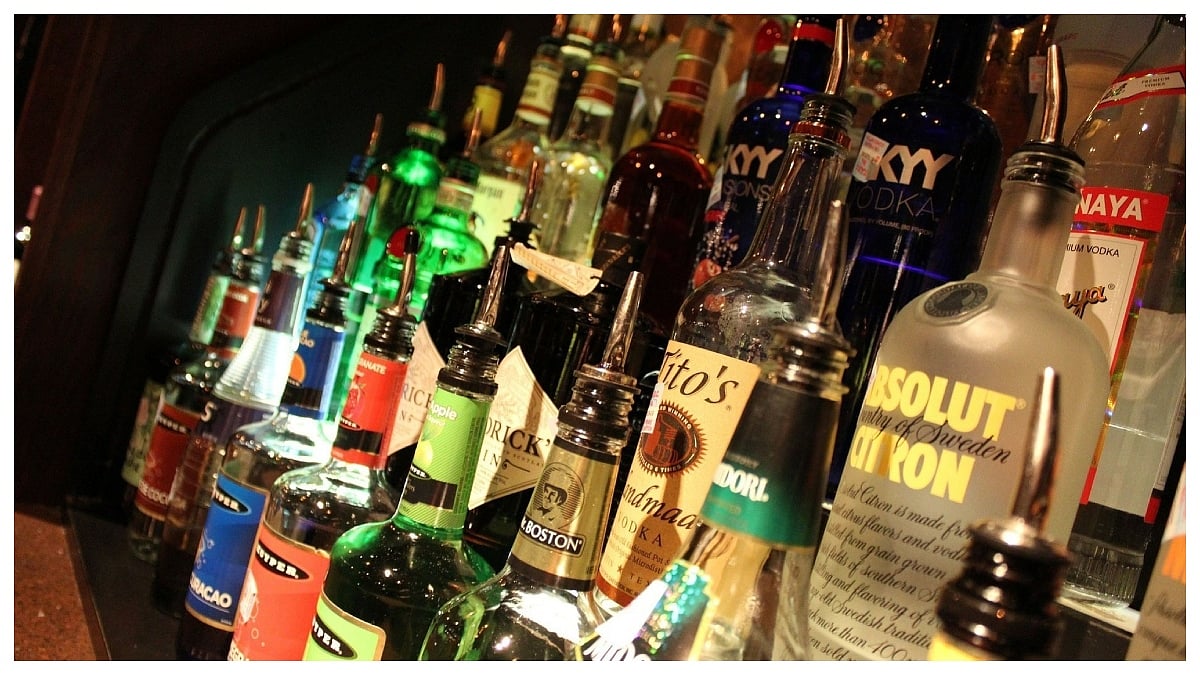
The term IMFL refers to alcoholic beverages such as Whisky, Vodka, Rum, Gin, and Brandy, which are distinct from country liquor and traditional drinks like todi, fenny, and arrack.

Among the states, Karnataka led with 6.88 crore cases sold, accounting for 17 percent of national IMFL volume sales, followed closely by Tamil Nadu at second place with 6.47 crore cases (nearly 16 percent of total sales). In comparison, Karnataka had sold 6.83 crore cases in FY24, while Tamil Nadu registered 6.44 crore cases.

Telangana and Andhra Pradesh each contributed around 9 percent of the IMFL sales, with 3.71 crore and 3.55 crore cases respectively. Kerala ranked seventh nationally, with sales of 2.29 crore cases. Notably, the Southern region witnessed an overall growth of approximately 1 percent in sales volume.

Puducherry reported a 10 percent growth in FY25, with sales of 0.28 crore cases, ranking 19th nationally.

### Regional Highlights Across India

The Northern region accounted for 20 percent of IMFL sales, led by Uttar Pradesh with 2.50 crore cases, ranking sixth nationally with 6 percent growth in FY25. Other northern states included Rajasthan (9th), Delhi (10th), and Haryana (11th), registering sales of 1.37 crore, 1.18 crore, and 1.17 crore cases respectively. Overall, the North saw a modest 1 percent growth in IMFL sales.

In the Western region, which contributed 12 percent to the national IMFL sales, Maharashtra was the frontrunner with 2.71 crore cases, making up 58 percent of the region’s sales and registering a 4 percent annual growth. The western region posted a 3 percent growth in total sales.

The Eastern region accounted for 10 percent of IMFL sales. West Bengal led this segment with 1.49 crore cases sold, ranking eighth pan-India with 4 percent growth. Other states like Odisha (0.98 crore), Assam (0.96 crore), and Jharkhand (0.32 crore) followed.

However, some markets faced setbacks. Punjab and Jammu & Kashmir saw declines of 20 percent and 15 percent respectively in IMFL sales in FY25.

### Emerging Markets and Policy Outlook

Jharkhand, Rajasthan, and Puducherry were among the markets reporting significant growth, at 15 percent, 13 percent, and 10 percent respectively.

“We are witnessing good growth in states such as Uttar Pradesh, Rajasthan, West Bengal, Odisha, and Andhra Pradesh. Delhi remains a major market where we await the introduction of a new excise policy, which is expected to boost growth,” said Anant S Iyer.

### Trends in the Premium Segment and Industry Challenges

On industry trends, Iyer noted a marked increase in premium and luxury segments, especially in whiskies. “Many companies are experimenting with premium whiskies, rums, and vodkas. Premium brands are expected to perform well with new launches and innovations.”

However, challenges persist. High taxation levels, frequent policy changes like Maharashtra’s recent introduction of the Minimum Markup Limit (MML), discrimination against Indian-made foreign liquor via brand-specific levies, and unresolved old dues in states like Telangana continue to affect the industry adversely.

India remains the largest whisky market in the world by volume and is seeing a clear trend toward premiumization.

*Disclaimer: This story is based on a syndicated feed; only the headline has been modified.*
https://www.freepressjournal.in/business/southern-states-dominate-indian-made-foreign-liquor-sales-roping-in-58-revenue


Is Alibaba Stock a Safe Buy Now?

Alibaba Group Holding Limited (NYSE: BABA) has been a focal point for investors looking to capitalize on China’s burgeoning e-commerce market. However, recent years have seen a roller-coaster ride for the stock, driven by regulatory crackdowns and economic uncertainties in China. The question for investors now is whether Alibaba represents a safe investment opportunity or if caution is still warranted.

Alibaba’s financial performance has shown resilience despite external pressures. The company reported strong revenue growth driven by its core commerce segment and cloud computing services. These sectors remain Alibaba’s backbone, contributing significantly to its financial health. Moreover, Alibaba’s international commerce and digital media segments are gaining traction, promising further diversification.

Regulatory challenges remain a significant concern. The Chinese government’s increased scrutiny over technology companies has led to hefty fines and operational adjustments for Alibaba. These regulatory measures are part of China’s broader goal to control the tech sector’s influence and ensure data security. However, Alibaba’s proactive compliance and cooperation with authorities may mitigate long-term impacts and restore investor confidence.

The global economic landscape also impacts Alibaba’s prospects. China’s economic slowdown and trade tensions with the United States have introduced volatility in the market. As a result, Alibaba’s international expansion efforts become critical. By strengthening its presence in Southeast Asia and Europe, Alibaba aims to reduce reliance on the domestic market and tap into new growth avenues.

Investor sentiment is gradually recovering as Alibaba demonstrates adaptability and strategic foresight. The company’s innovation in cloud technology and artificial intelligence positions it well for future growth. Moreover, Alibaba’s focus on sustainability and social responsibility aligns with global trends, potentially attracting ESG-conscious investors.

In conclusion, while challenges persist, Alibaba’s comprehensive strategy and financial robustness make it a compelling option for investors with a high-risk tolerance. Those considering Alibaba should weigh the potential for significant returns against the backdrop of regulatory and economic uncertainties.

*Footnotes:*
*Featured Image: DepositPhotos @ Iurii*
https://pressreach.com/investing-news/is-alibaba-stock-a-safe-buy-now/

How Mother Dairy Intends To Milk The Festive Season

The festive fervour in India brings about a significant spike in demand across various categories, especially dairy and food products that form the backbone of traditional sweets, savouries, and family meals. For brands in this space, the season is not just about catering to higher consumption but also about creating meaningful associations with consumers that last well beyond the festivities.

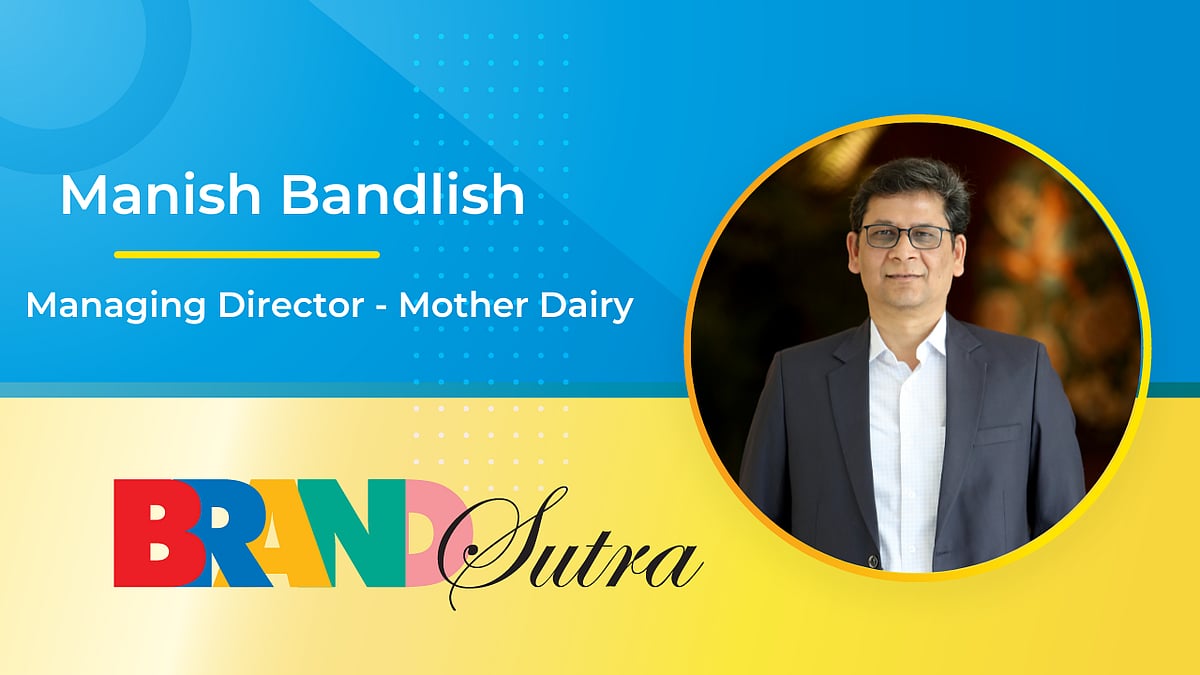
In an exclusive interview with BrandSutra, Manish Bandlish, Managing Director at Mother Dairy, shares insights into how the brand prepares for the festive season — from scaling up production and distribution to curating festive packs and running digital-first campaigns. Edited excerpts follow.

### 1. How are Indian consumers’ food and dairy preferences evolving?

Indian consumers are increasingly adopting a mindful approach to food and dairy that fits into their busy lives. Health and wellness are at the core of their choices, while the fast pace of modern life drives demand for convenient, ready-to-use solutions.

This convergence is fundamentally reshaping the food and dairy landscape. As the most accessible source of protein and a staple in Indian diets, milk and milk products provide an ideal foundation for meeting daily nutritional needs. This shift is influencing innovation in the sector.

### 2. Festive seasons often see a surge in demand across categories. How does your brand prepare to tap into this heightened consumer sentiment?

Festivals in India symbolize togetherness, celebration, and indulgence— with food at the very heart. This naturally leads to increased demand for milk and value-added dairy products.

At Mother Dairy, we plan well in advance to meet this anticipated surge. Our strategies include scaling up production capacities, ensuring robust distribution across markets, curating festive packs and special offerings, and running category-led campaigns.

Our focus is not only on meeting demand but also on enriching the joy of celebrations by being part of every household’s special moments.

### 3. Could you give us insight into how AI and new technologies have changed the way marketing campaigns are built — from ideation to execution?

We see technology not merely as a tool but as a catalyst for creating more relevant, engaging, and impactful brand experiences. AI is strategically embedded in our daily social content creation to produce hyper-realistic visuals and dynamic animations that align with the brand tone.

This approach significantly improves turnaround times and enables faster delivery of high-quality content to engage today’s consumers effectively.

For example, we created an AI-generated song for Mother Dairy Ice Creams that incorporates details about newly launched products within the lyrics. Additionally, we rolled out three AI-led video films on social media for Cheese Day — a first-of-its-kind initiative in the dairy category.

### 4. Which mediums — digital, traditional, or in-store experiences — are most effective for building connections today?

Every medium plays a unique role in shaping consumer relationships.

– **Digital platforms** have emerged as the most dynamic for engagement, offering reach, personalization, and immediacy.
– **Traditional media** continues to build mass awareness and trust.
– **In-store experiences** are crucial for last-mile impact, reinforcing brand presence at the point of purchase.

We adopt an integrated approach that weaves together digital, traditional, and consumer touchpoints to create a seamless consumer journey that is both memorable and meaningful.

### 5. How do you see e-commerce and q-commerce changing the dairy and food retail landscape?

E-commerce and q-commerce have transformed how people shop for food. For dairy—a high-frequency, trust-led category where freshness and speed are paramount—these platforms unlock new possibilities for accessibility and availability.

At Mother Dairy, we view these channels as complementary, extending our reach among new-age, digitally-savvy consumers. They also offer opportunities to introduce channel-exclusive offerings, such as our ‘Specials’ ice cream range curated specifically for these platforms.

The future lies in building seamless omnichannel experiences, allowing consumers to access our products anytime, anywhere—whether through traditional outlets or digital commerce platforms.

### 6. How big a role does e-commerce and digital advertising play in festive campaigns today, compared to traditional retail-driven promotions?

Being a home to trusted brands, we prioritize presence wherever our consumers are.

Traditional retail promotions remain the backbone for driving visibility and sales, but e-commerce, q-commerce, and digital platforms have become indispensable in amplifying reach and engagement. These tools allow better targeting, real-time engagement, and more personalized campaigns.

For Mother Dairy, Safal, and Dhara, it’s about combining both traditional and digital channels to ensure our brands resonate across audiences and touchpoints, becoming an integral part of every celebration.
https://www.freepressjournal.in/brandsutra/how-mother-dairy-intends-to-milk-the-festive-season

24-Year-Old Entrepreneur Pioneers Goat Grazing Business

In Yugawara, Kanagawa Prefecture, goats eagerly graze at a farm established by Yota Maeda, the head of Tokyo-based startup Mujou. Maeda, who launched a funeral services business while still at university, opened the goat farm in 2024. His latest venture offers goat grazing services as an alternative to conventional weeding methods.

Unlike machines, the goats consume the grass directly, eliminating the need for herbicides or the burning of clippings. “Their bleating is not particularly disruptive, and the animals don’t produce a strong odor,” Maeda said.

Contracts have already been signed with both businesses and individuals. One notable client is a large clinical testing facility capable of processing hundreds of thousands of samples daily, thanks to advanced automation and AI systems. The company introduced goats into its courtyard on a trial basis, allowing them to handle grass management.

“They work tirelessly from morning onward,” said Sakuya Odashima from H.U. Group Holdings’ HR and General Affairs Services Division. Employees also report feeling refreshed by the presence of the goats, with some noting how their greetings at the end of the day boost morale.

Behind Maeda’s project is a strong awareness of broader national issues, particularly the spread of abandoned farmland. By deploying goats, unused land can be restored, which may also help deter wild animal intrusions.

“In an era of population decline, we can’t maintain everything perfectly, but by leaving animals to graze, the land doesn’t lose its potential. We’re preserving it in a usable state,” Maeda explained.

Goat droppings naturally decompose, and Maeda is considering ways to repurpose them as fire starters, aiming to expand the scope of the business further.
https://newsonjapan.com/article/147049.php

Mumbai Bank Launches 0% Interest Loans For Women Recipients Of Ladki Bahin Scheme; BJP Leader Pravin Darekar Supports Initiative

**Mumbai Bank Launches Zero-Interest Loans to Support Women Under Ladki Bahin Scheme**

Mumbai: As the Ladki Bahin scheme experiences a slight decline, Mumbai Bank has introduced a new initiative aimed at supporting women beneficiaries of the program. Under the vision of BJP leader Pravin Darekar, the bank is offering zero percent interest loans to women recipients of the Chief Minister’s Ladki Bahin Yojana, which was launched on September 4.

The rollout event took place at Mumbai Bank’s head office auditorium in Fort and was attended by the bank’s chairman and MLA Pravin Darekar. During the press conference, Darekar shared, “Chief Minister Devendra Fadnavis personally addressed the sisters present at the program where loans were provided at zero percent interest from Mumbai Bank. The Maharashtra government launched the Ladki Bahin Yojana to provide ₹1,500 per month to women in order to improve their financial condition and ensure their overall development.”

He further explained, “The women can use the monthly amount to invest in their businesses. This idea aligns with the vision of Honorable Chief Minister Devendra Fadnavis Saheb. I requested the Chief Minister to allow me to provide 1 lakh interest-free loans to these beloved sisters.”

### Key Details of the Loan Program

Under this initiative, Mumbai Bank will offer loans up to ₹1 lakh to Ladki Bahin beneficiaries at zero percent interest. According to a report by *Saamana*, approximately 5,000 women are expected to benefit from this program. At the launch event, loans were disbursed to the first 200 beneficiaries.

The event was also attended by Mumbai Bank Vice President Siddharth Kamble, along with other dignitaries including Shivajirao Nalawade, Prasad Lad, Nandkumar Katkar, Shilpa Sarpotdar, Tejaswini Ghosalkar, Kavita Deshmukh, and Sandeep Ghandat.

### Introduction of QR Code Service

In addition to the loan scheme, the bank also introduced a QR code service rollout at the same event, aimed at facilitating easier and more secure transactions for beneficiaries.

### Recent Updates on the Ladki Bahin Scheme

The Maharashtra government encountered controversy and audits in 2025 over irregularities in the scheme’s benefit disbursements. Minister Aditi Tatkare revealed in August that around 26 lakh women might be ineligible for the benefits.

In response, a physical verification drive was launched to confirm eligibility based on criteria such as age, income, and household status. The government temporarily paused payments in July 2025 to complete this verification process, with plans to resume payouts to eligible women subsequently.

An audit uncovered fraudulent enrollments, including over 14,000 men listed as beneficiaries, resulting in ₹21 crore being wrongly disbursed. Opposition leaders have demanded a CBI investigation into alleged scams worth ₹4,800 crore linked to the scheme.

Despite these challenges, the government disbursed the July installment of ₹1,500 on August 8 to the verified eligible beneficiaries.

Mumbai Bank’s new zero-interest loan program aims to revitalize support for women under the Ladki Bahin scheme, promoting financial empowerment and encouraging entrepreneurship among Maharashtra’s women.
https://www.freepressjournal.in/mumbai/mumbai-bank-launches-0-interest-loans-for-women-recipients-of-ladki-bahin-scheme-bjp-leader-pravin-darekar-supports-initiative

Most B-school faculty in India lack AI expertise: Survey

**Most B-school Faculty in India Lack AI Expertise: Survey**

*By Dwaipayan Roy | Sep 28, 2025, 04:49 PM*

A recent survey conducted by MBAUniverse.com has revealed that while Indian business schools are rapidly adopting artificial intelligence (AI) technology, the majority of faculty members still lack the necessary expertise to effectively utilize these tools.

The study surveyed 235 educators from prestigious institutions such as IIMs, IITs, ISB, XLRI, and SPJIMR. It found that only 7% of these educators consider themselves expert users of AI tools.

### Growing Acceptance of AI in Academia

Despite the low level of expertise, the survey highlighted a positive shift in attitudes towards AI. About 51% of faculty members expressed confidence in the positive impact of AI adoption on business school students. More than half anticipate an increased role for AI in teaching, curriculum design, and research over the next year. This shows a growing acceptance and readiness for deeper integration of AI into academic processes.

### Application Areas: Transformative Potential of AI in Management Education

According to the survey, faculty are primarily using AI for research and teaching purposes. However, AI’s role in curriculum development is also steadily increasing. Administrative tasks and student assessment are emerging areas for AI application, indicating opportunities for structured support and capacity-building programs.

This highlights AI’s potential to transform multiple aspects of management education beyond just classroom teaching.

### Faculty Perceptions and Tool Preferences

The survey also explored faculty perceptions regarding AI’s impact on student learning, skill development, and classroom engagement. It assessed the tools, training, and policy guidance educators consider most important for responsible AI adoption.

Notably, ChatGPT emerged as the most relevant AI tool for teaching-related activities among faculty members.

### Challenges and Concerns in AI Adoption

While many faculty members viewed AI’s impact on student learning positively, 21% felt it was too early to determine its effects. Meanwhile, 18% perceived an unfavorable impact, and nearly 10% reported no significant changes.

The main challenges cited in using generative AI for research included ethical concerns, followed by issues related to inaccuracies, unreliable outputs, and a lack of regulatory policies.

The survey underscores the urgent need for capacity building and policy frameworks to equip business school faculty with the skills and guidelines necessary to harness AI’s full potential responsibly and effectively.
https://www.newsbytesapp.com/news/science/ai-adoption-among-indian-b-school-faculty-what-we-know/story

WeWork India to launch ₹3,000cr IPO on October 3

**WeWork India to Launch ₹3,000 Crore IPO on October 3**

*By Dwaipayan Roy | September 28, 2025, 03:12 PM*

WeWork India, a leading player in the co-working space, is all set to launch its initial public offering (IPO) on October 3, 2025. The IPO is estimated to be worth around ₹3,000 crore. According to the red herring prospectus (RHP), bidding for anchor investors will open on October 1 for one day, and the IPO will close on October 7.

### Share Details and Offer for Sale (OFS)

The upcoming IPO from WeWork India is structured as an Offer for Sale (OFS) of up to 4.63 crore equity shares. The shares will be sold by Embassy Buildcon LLP, a promoter group firm, and Ariel Way Tenant Ltd, a subsidiary of WeWork Global. Since this is an OFS, WeWork India itself will not receive any proceeds from the listing.

### About WeWork India

Established in 2017, WeWork India operates under an exclusive license of the global ‘WeWork’ brand. The company is promoted by the Bengaluru-based real estate giant Embassy Group, which currently holds about 76.21% stake in WeWork India. WeWork Global owns the remaining 23.45%.

WeWork India operates across major Tier-1 cities, including Bengaluru, Mumbai, Pune, and Hyderabad, among others.

### Business Scale and Operations

WeWork India manages an extensive portfolio of over 77 lakh sq ft of commercial space, with 70 lakh sq ft currently operational. The company offers a desk capacity of more than 1.03 lakh and employs over 500 people nationwide.

In January 2024, WeWork India raised ₹500 crore through a rights issue aimed primarily at reducing debt and supporting its growth plans.

### Market Entry and IPO Goals

The company’s plan to list its equity shares on the stock exchanges in early October is intended to enhance its market visibility, provide liquidity to existing shareholders, and establish a public market for its shares in India.

With the IPO opening on October 3 and closing on October 7, WeWork India is expected to make its stock market debut by October 10.

Stay tuned for more updates on WeWork India’s IPO and its journey in the listed space.
https://www.newsbytesapp.com/news/business/everything-we-know-about-wework-india-s-ipo/story

1,869% rally in 5 years! Do you own this stock?

**1,869% Rally in 5 Years! Do You Own This Stock?**
*By Dwaipayan Roy | Sep 28, 2025, 04:49 PM*

**What’s the Story?**
Cupid Limited has delivered stellar returns of over 244% in just six months and an astounding 1,869% over five years. This remarkable performance is expected to draw heightened interest in the upcoming Monday trading session.

Aditya Kumar Halwasiya, the company’s Chairman and Managing Director, recently announced that Q2 FY26 is set to be the best quarter in Cupid’s history. This optimistic outlook is driven by new product launches, accelerating momentum in the FMCG vertical, and a strong pipeline of institutional orders.

**Financial Growth**
Cupid Limited reported a total income of ₹203.18 crore during the financial year, with a net profit of ₹40.89 crore. The company has witnessed rapid growth in its B2C FMCG segment, generating over ₹50 crore in revenue within just one year. This success is attributed to a vast distribution network spanning 1.2 lakh retail outlets across India, enabling robust consumer connections and expanding market presence.

**Strategic Shift**
Halwasiya’s Vision for Cupid’s Future
Halwasiya emphasized Cupid’s transformation from a contraceptive company to a consumer wellness and health-tech leader. He highlighted the company’s focus on sustainable growth, global expansion, and innovation—all while ensuring that personal care and preventive healthcare remain accessible to everyone.

This strategic shift, coupled with solid financials and expanding market reach, positions Cupid Limited as a compelling stock to watch closely in the coming quarters.
https://www.newsbytesapp.com/news/business/cupid-limited-to-report-best-ever-quarter-stock-up-244/story

Greggs has expanded far too fast, claim critics

Greggs is a staple of the High Street, serving up a diet of affordable pastries, sandwiches, and sweet treats. However, a series of profit warnings has knocked the stuffing out of the bakery chain’s share price, which has halved in the past year, leaving investors queasy ahead of this week’s trading update.

The latest alarm was sounded in the summer when chief executive Roisin Currie blamed the hot weather for stifling customers’ appetite for steak bakes and sausage rolls, both vegan and meat varieties.

Despite the setbacks, Greggs is pushing ahead with ambitious expansion plans. Up to 150 new stores are set to have opened by the end of this year as part of a wider drive to hit a total of 3,000 outlets. Greggs has also been extending opening hours across its stores and has rolled out more evening meals, including pizzas, chicken goujons, and hot baguettes.

In a new venture, Greggs opened its first pub yesterday in the Fenwick department store in Newcastle upon Tyne, serving local beers alongside 15 Greggs-inspired dishes.

“Questions as to whether Greggs has expanded too far, too fast and made its menu too complicated have added to wider worries over the state of the UK economy,” said Russ Mould, investment director at stockbroker AJ Bell.

The high street baker was a clear winner during the cost-of-living crisis, overtaking McDonald’s as Britain’s most popular breakfast venue. However, like other retailers, it has been hit by rising costs, especially from the employer National Insurance increase in last year’s Budget.

“The broader consumer spending environment remains fragile,” said Aarin Chiekrie, equity analyst at the investment platform Hargreaves Lansdown. “While Greggs has relied on price increases to support like-for-like sales growth, the company must be careful not to stretch customer tolerance too far,” he added.
https://www.thisismoney.co.uk/money/markets/article-15139501/Greggs-expanded-far-fast-claim-critics.html?ns_mchannel=rss&ns_campaign=1490&ito=1490

Jenna Bush Hager reveals what caused ‘big fights’ between her and dad George: ‘I’d cry myself to sleep’

Jenna Bush Hager opened up about a major cause of tension with her dad, former president George W. Bush, during her younger years.

“There was a period of time when I made bad grades,” the TV host revealed during Friday’s episode of *Today With Jenna & Friends*. When guest co-host Sheinelle Jones appeared skeptical, Hager doubled down, saying, “They were bad.”

Jones then asked the mother of three how her parents, George and Laura Bush, would handle it.

“My dad would sit with me at that kitchen table and try to teach me math, and we’d get in big fights and I’d cry myself to sleep,” Hager, now 43, laughed.

Jones called the confession relatable, adding that she thinks it’s typical of kitchen tables all over the country at night.

Hager did not elaborate on exactly when the kitchen table meltdowns occurred, but she and her fraternal twin sister, Barbara, were 19 when their father’s first term as president began in 2001.

Hager married her husband, Henry, in 2008, and they have since welcomed three children: Mila, 12, Poppy, 10, and Hal, 6.

Despite the past arguments, Hager’s relationship with her father, now 79, remains strong.

In September 2024, she admitted that she called the former president in tears over the news that her former co-host Hoda Kotb would be leaving the show after 26 years with NBC.

“I don’t know if you’re embarrassed to say this or not, but I think that we should [talk about how] you called your dad,” Kotb recalled at the time, referencing Hager landing the co-hosting job in 2019. “And I remember when you first started working together with me, you were afraid, so she called her dad.”

Hager jumped in, recalling that George was happy for her but jokingly reminded her that NBC veteran Kotb was the star.

“Then I called him last night,” Hager divulged. “At first, he thought something really awful [happened], like I lost a loved one, because of how emotional I was.”

Hager continued, recalling how her father comforted and encouraged her.

“And then, he said, ‘Oh, she’s leaving, because it’s time, and you’re going to be fine. It’s your turn. It’s OK.’”
https://pagesix.com/2025/09/27/celebrity-news/jenna-bush-hager-reveals-what-caused-big-fights-between-her-and-dad-george/